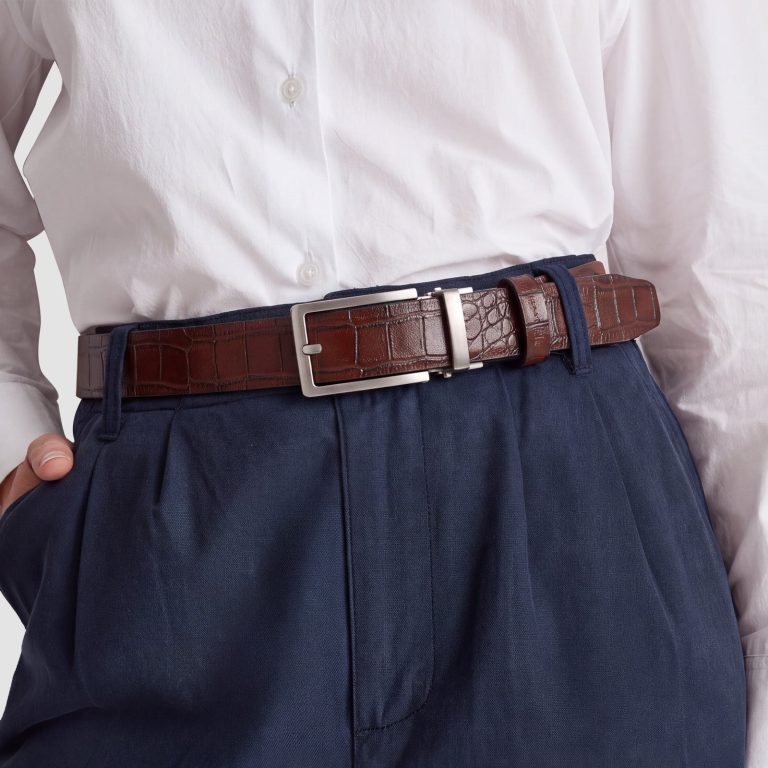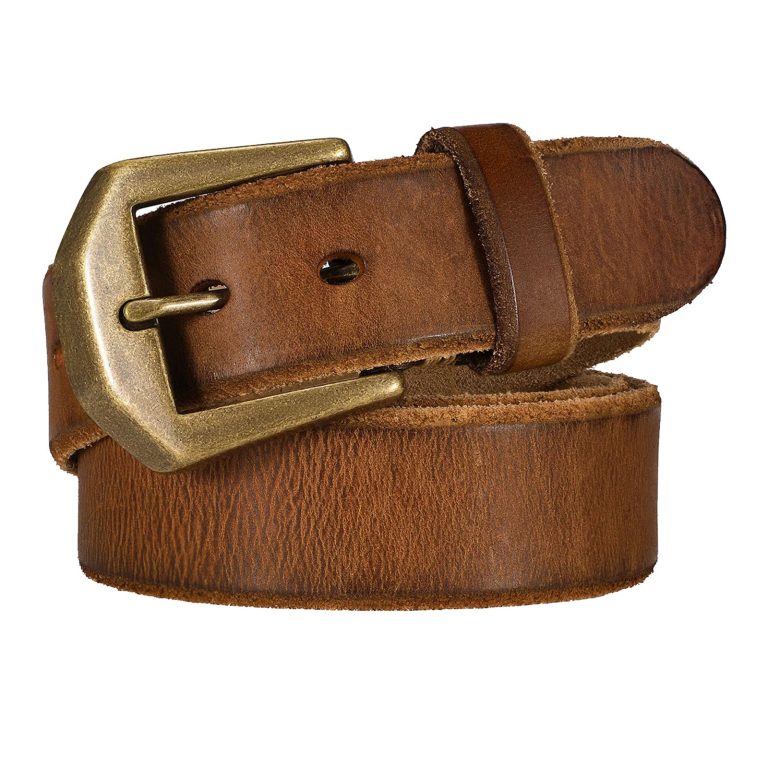
Kids’ belt sizing starts with the child’s wearing position and the product’s stated fit range. Age labels and trouser sizes can help you find a starting point, but they do not replace a measurement over the actual clothes.
In this guide
Check whether a belt is needed
Try the trousers’ internal adjusters or elastic waistband first, if available. A belt may help a small amount of looseness, but it should not be used to pull an oversized waistband into deep folds.
For school or an event, check any clothing requirements before choosing the color and fastening.
If a belt is needed, compare JASGOOD kids’ belts using the individual age guidance, closure and fit range. A product listed for children is not automatically suitable for every age, including toddlers.
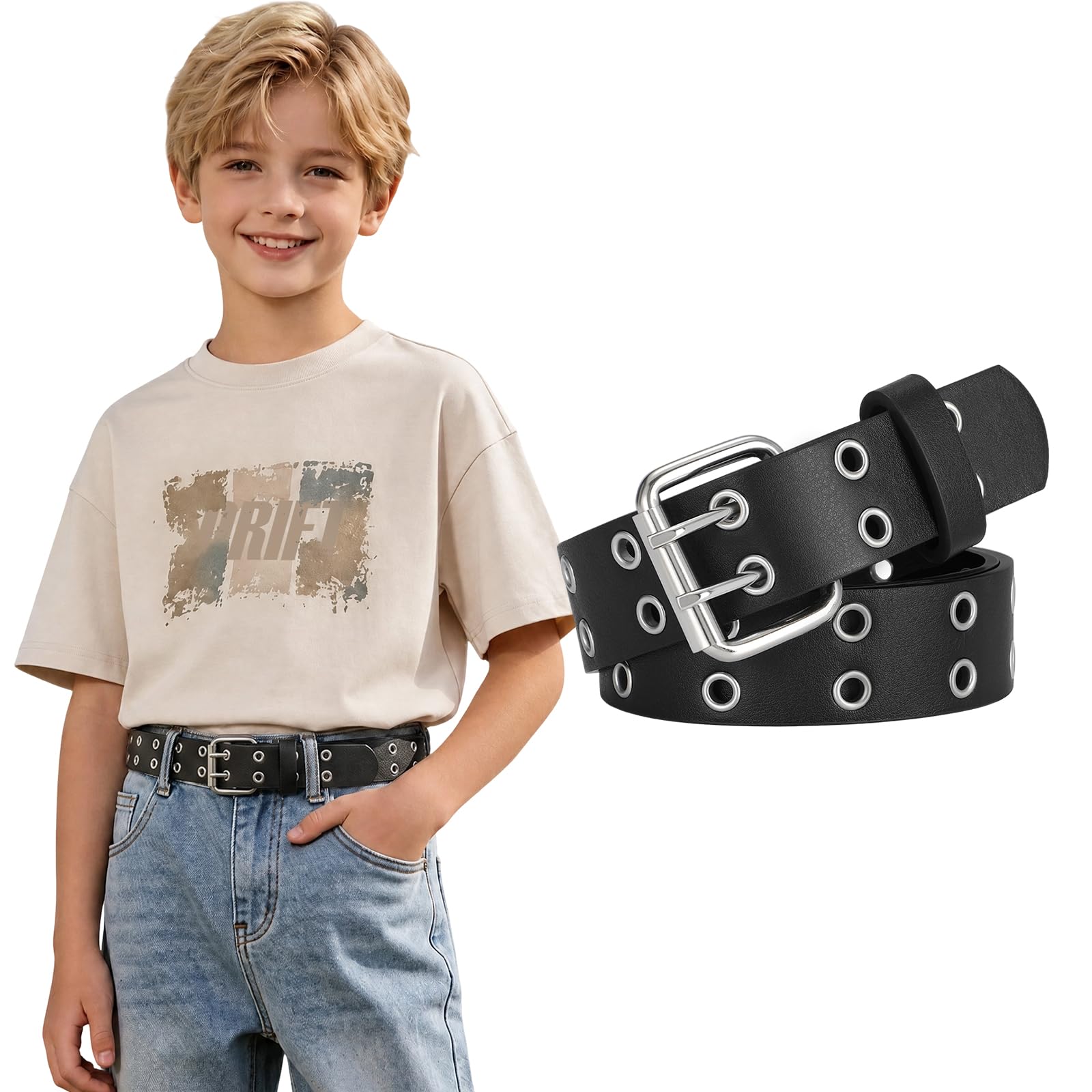
Measure over the clothes
- Have the child wear the trousers and any normally tucked-in layer.
- Place a flexible tape around the waistband position without pulling it tight.
- Record the measurement and units, then compare them with the selected product’s size chart.
- Check the inside opening of the loops against the belt width and tip.
If you use an existing belt as a reference, follow the maker’s measuring method. A measurement from the strap fold to the used hole is different from measuring the whole belt end to end.
Leave useful adjustment, not an oversized tail
Some room within the stated adjustment range can accommodate changes in clothing and fit. Buying far beyond that range may simply leave too much loose strap or an unsuitable fastening position.
For example, two products can have the same total length but different usable ranges because their buckles, hole positions or decorative tails differ. Compare the range that fits the wearer.
Use the supplied keeper as intended. Check that the belt tail remains managed while the child moves and gets dressed.
Test the closure together
Ask the child to fasten and release the belt with appropriate adult help. A design that looks easy in a photo may need more dexterity or grip than expected.
Have the child sit, bend and walk. Check that the buckle and edges do not press uncomfortably and that the trousers remain easy to manage for bathroom breaks.
Follow the maker’s age and use instructions. If the fastening repeatedly causes difficulty, choose a simpler clothing adjustment rather than insisting on that belt.
Recheck as clothing changes
Repeat the fit check when switching to thicker layers or another pair of trousers. Do not assume last season’s setting still fits comfortably.
A useful belt supports the outfit without becoming another obstacle to getting dressed. Comfort, suitable construction and manageable adjustment matter more than choosing the largest possible size.