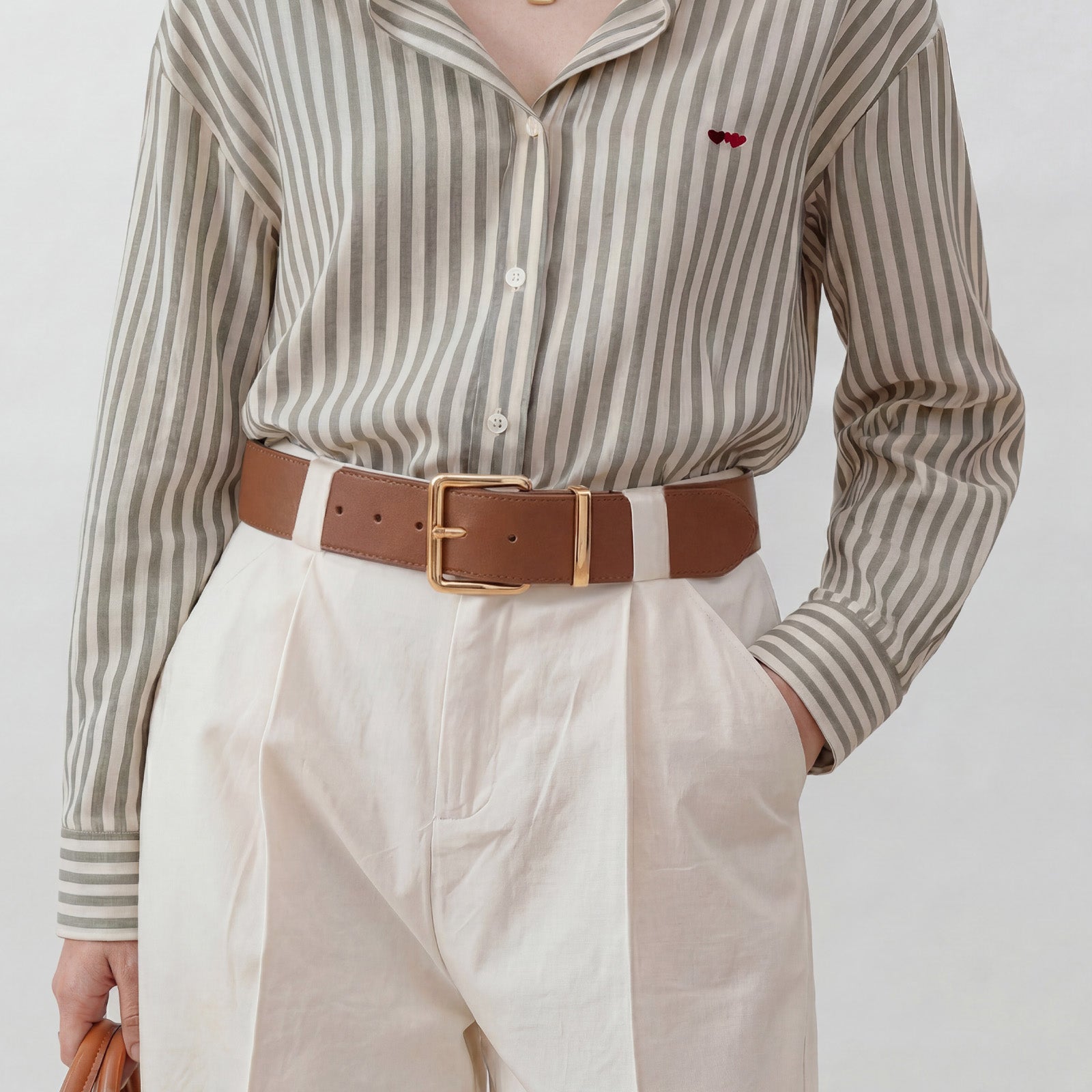
The JASGOOD Journal sits between an image that catches your eye and the choices you make when getting dressed. Its purpose is to connect inspiration with something useful, without turning a personal look into a fixed set of rules.
A belt is a small part of an outfit, but it raises different questions. Sometimes you want a visible finishing detail. Sometimes you want the clothes to sit comfortably without adding another focal point.
In this story
Use the JASGOOD Journal to begin with a question
A styling story can begin with a proportion, a colour relationship or the shape of a buckle. Those ideas are worth exploring even when the right starting point is something already in your wardrobe.
When a more defined waist detail is the aim, the JASGOOD wide belt collection offers one direction to explore. The outfit and its fabric still come first.
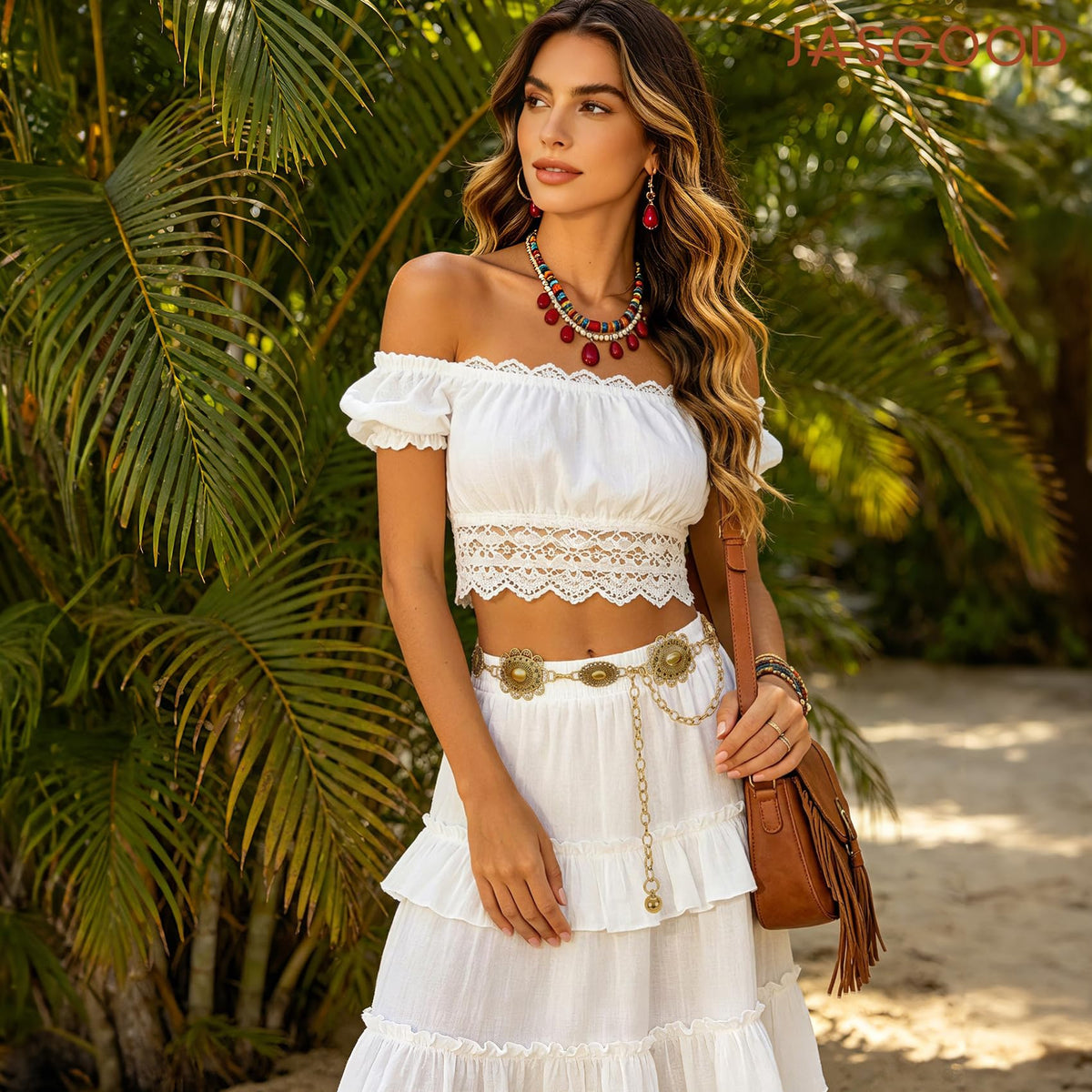
If you prefer a decorative accent that reads more like jewellery, explore the chain belt collection. These are alternative visual directions, not two things every reader needs to buy.
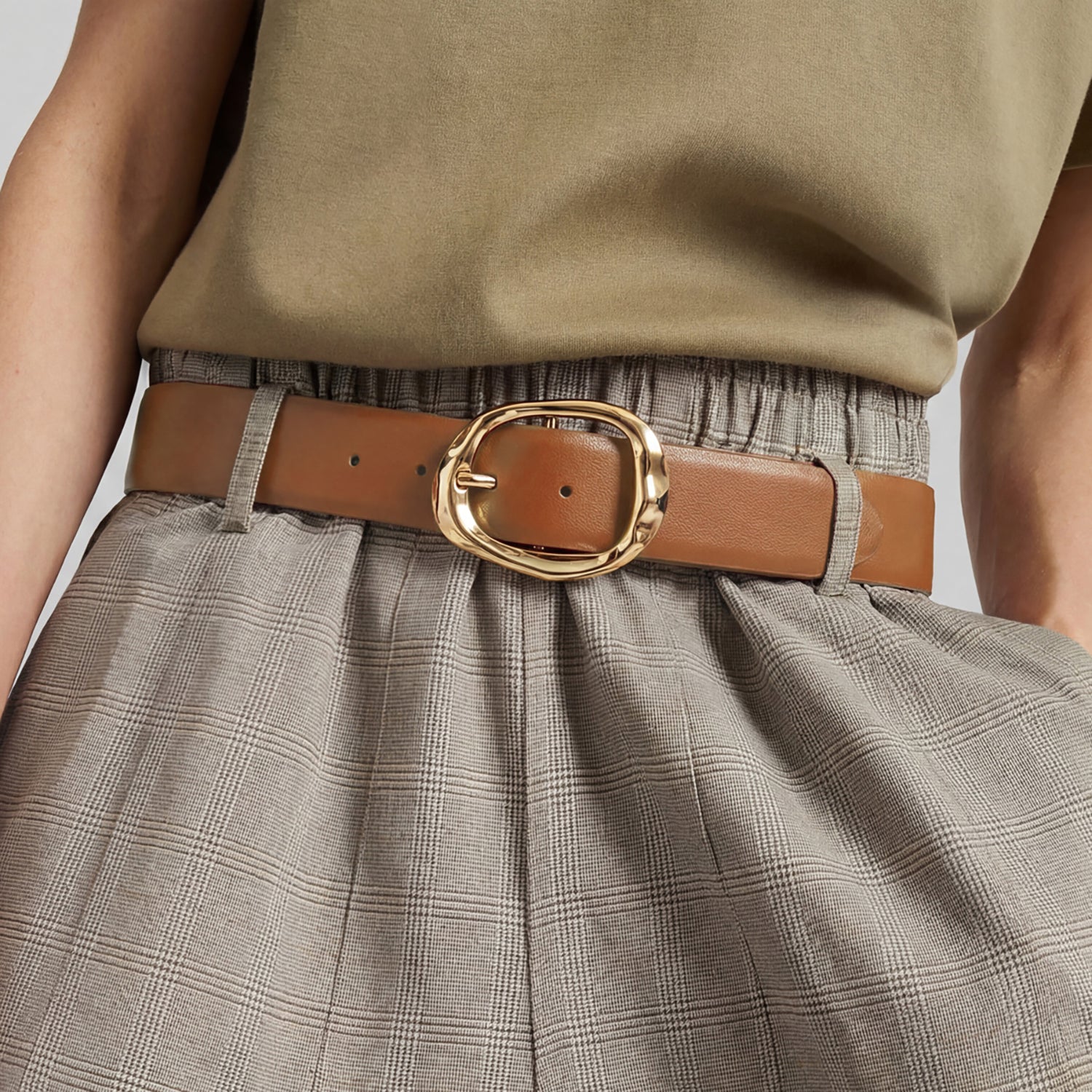
Keep inspiration and product information distinct
A styled photograph shows a possible relationship between clothes and an accessory. It does not establish the model’s measurements, guarantee a result on your body or show every colour and size available.
That distinction matters when you move from reading to choosing. Use the individual product page to check materials, dimensions, adjustment and fastening rather than extending a collection story into an unsupported promise.
Likewise, an editorial description of a look is not evidence of durability, environmental certification or a manufacturing process. Brand history and product facts need their own sources.
Choose the reading route that fits the question
The styling section is for exploring combinations and visual possibilities. Treat a suggestion as a starting point you can adapt, not as a uniform.
The buying guides help you compare the differences that matter before choosing. A more noticeable buckle or a wider strap is not automatically the better option.
When the question is where or how a belt will fit, turn to the sizing section. Measurements are a more useful starting point than assuming a trouser label tells the whole story.
The care and repair guides focus on the material and problem you actually have. A useful answer should not require an unnecessary replacement.
A reading route for a real outfit decision
Suppose a wide brown band catches your eye in an editorial photograph. Your first question may be visual: would that uninterrupted line help a shirt and trousers feel more connected? Start with the styling section.
If the answer appeals, the next question changes. You now need to know whether the selected item fastens where you intend to wear it and whether its stated width suits that garment. That is a buying or sizing question.
If you already own a similar belt, there may be no product decision at all. Compare its existing shape with your clothes before assuming the pictured accessory is necessary to recreate the idea.
A chain photograph introduces a different starting point. Its interest might lie in the spaces between decorative elements, not in holding a waistband. The relevant follow-up is how that particular construction works.
Separate your notes into three short lines: what I like, what I need to check and what I already own. This keeps inspiration from quietly turning into an unsupported specification or an unnecessary purchase.
When a product page leaves a practical question unanswered, ask the store rather than treating a Journal suggestion as confirmation. A useful editorial route sometimes ends with more information, not an immediate checkout.
Let the brand story open a conversation
The About JASGOOD page introduces the brand’s own design story. Here in the Journal, that perspective becomes a conversation about the details you choose to wear.
There is room for an expressive accessory and a quieter one, for a familiar outfit and a new interpretation. A considered choice is not always a new purchase, and a good idea does not need to become a rule.
Take the inspiration that is useful, check the details that affect your choice, and leave room for your own point of view.