The JASGOOD western edit begins with a reference, not a complete costume. A decorative buckle or a distinctive strap can bring a western-inspired note to clothes that otherwise feel entirely your own.
The amount of that reference you carry forward is a styling decision. One visible detail can be enough; adding boots, a hat and several other motifs is a different interpretation, not a requirement.
In this story
The JASGOOD western edit: choose a reference, not a uniform
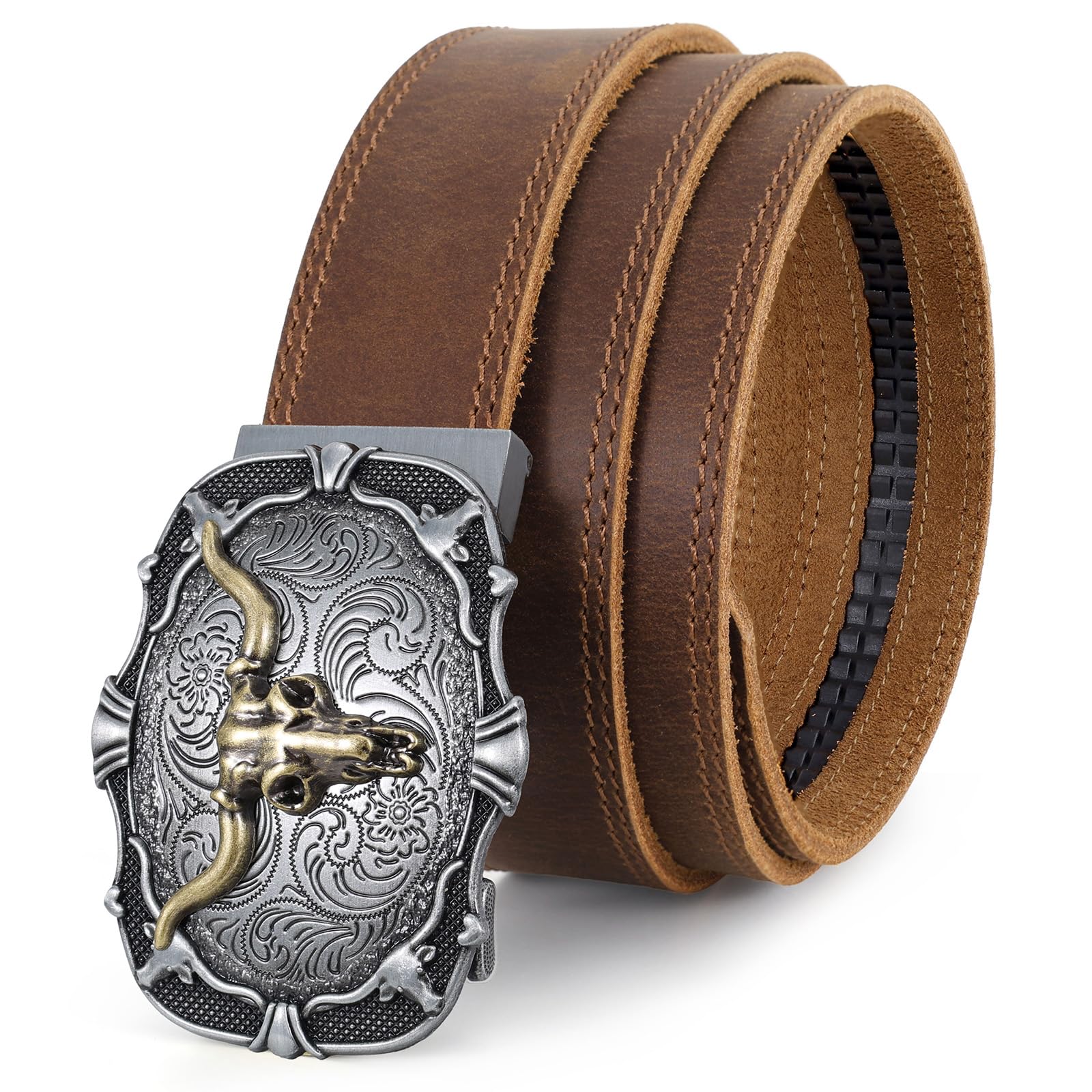
The current category includes double-buckle designs and styles described as sliding or ratchet belts, alongside other western-inspired options. The collection is not limited to one fastening or one front shape.
Take a closer look at the JASGOOD western belt collection. Notice which part attracts you first: the buckle, the strap’s decorative language or the balance between them.
Follow that interest to the individual product page. A shared style label does not confirm a common material, adjustment system or width across the range.
Use one reference as the starting point
Imagine a plain shirt and straight-leg trousers with a more decorative front detail. The rest of the outfit gives that detail room to be read, without requiring every item to repeat the same theme.
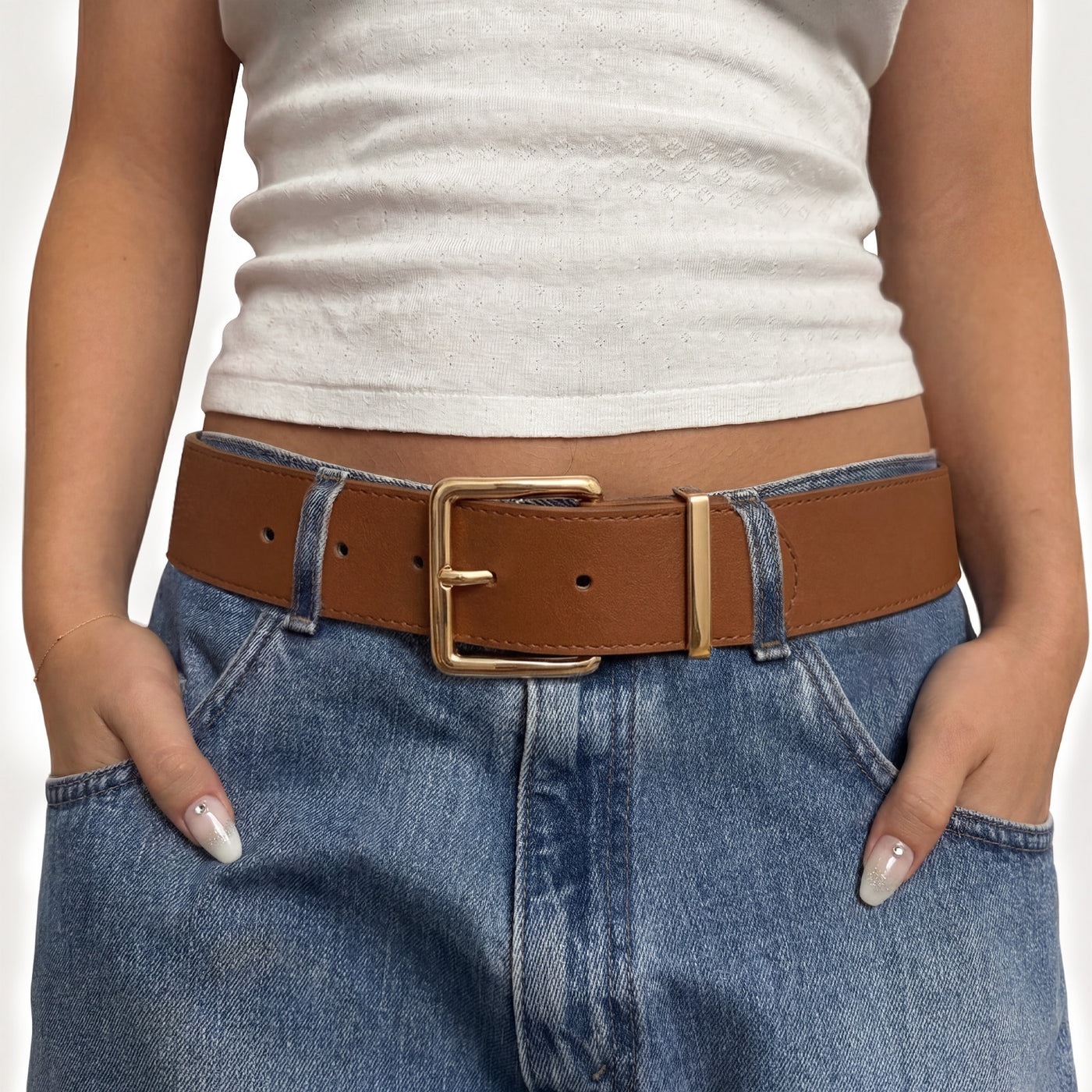
Or keep a familiar pair of jeans and let the belt introduce the change. This is a way of exploring the reference through clothes you already wear, rather than constructing an outfit around a stereotype.
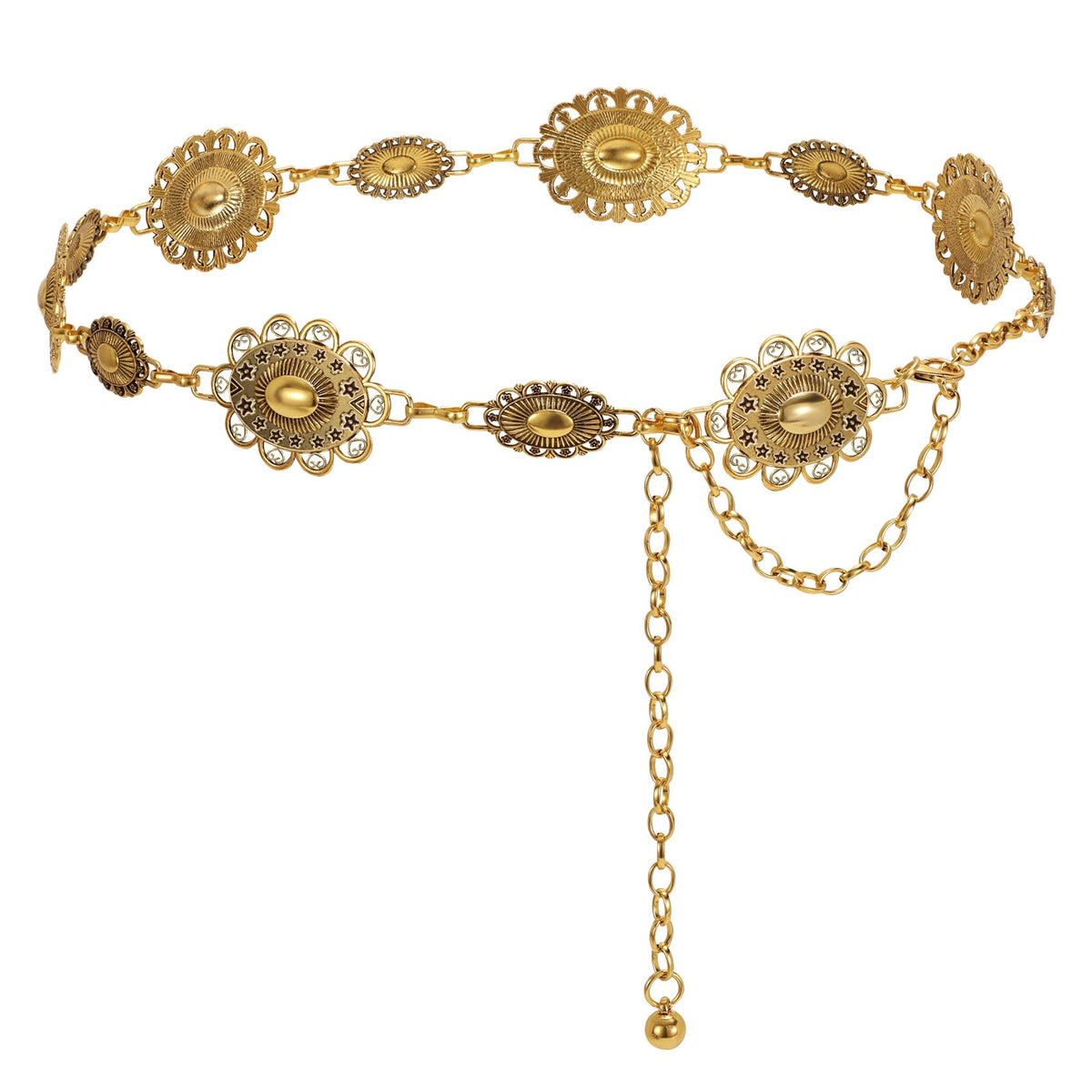
For a more decorative route, the chain belt collection also includes concho references. Compare the visual effect rather than treating all western-inspired accessories as equivalent.
Separate inspiration from historical claims
A motif can suggest a style association without proving a product’s historical origin or a brand’s manufacturing heritage. This edit describes a visual direction, not a claim of cultural authenticity.
That distinction leaves more room for an individual interpretation. You can appreciate a front detail without needing the outfit to tell a story about a place or a way of life that is not yours.
The Journal’s styling section offers other combinations to explore when you want the reference to sit alongside modern everyday clothes.
Make the decorative front answer one clear question
Ask what the buckle should contribute before building a themed outfit around it. You might want a small point of contrast with a plain shirt, or a more decorative centre against familiar denim.
Compare a detailed western-inspired front with a simple square buckle. Keep the clothing and belt position as close as possible so the front treatment, rather than an entirely new outfit, explains the difference.
The carved-looking or engraved-looking appearance of a photograph is a visual observation, not proof of a manufacturing technique. Read the selected product's wording before describing how its decoration was made.
If you enjoy the more decorative direction, repeat only one related element at first. A boot shape or another metal detail may be enough to connect the look without making every item carry the same theme.
If the buckle competes with a printed shirt, simplify the immediate surroundings. Try a plain top or reduce nearby jewellery before deciding that the entire design direction is unsuitable.
Finally, check the actual fastening and strap dimensions. The most useful reference is one you can wear with your own clothes, not a decorative front whose practical requirements you have not checked.
Make the actual belt part of the decision
Check its closure, usable size range and compatibility with the clothes you intend to wear. An appealing buckle still needs a strap and adjustment system that work for the outfit.
The buying guides help shift the question from a collection mood to a considered product choice. Do not infer performance from a decorative name.
Keep the reference that interests you and leave the rest open. A western-inspired detail can be a small part of your style vocabulary rather than the definition of the whole outfit.