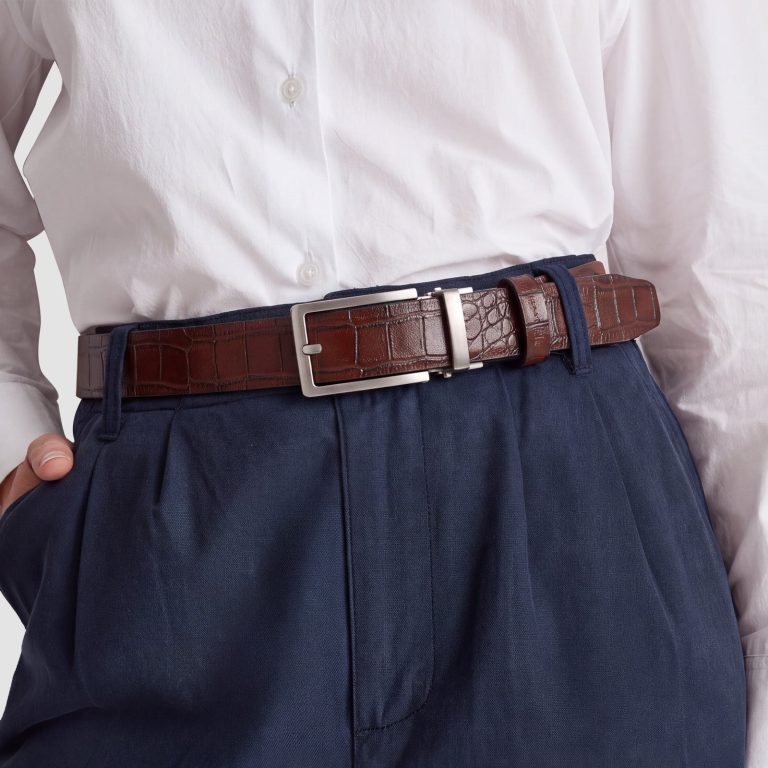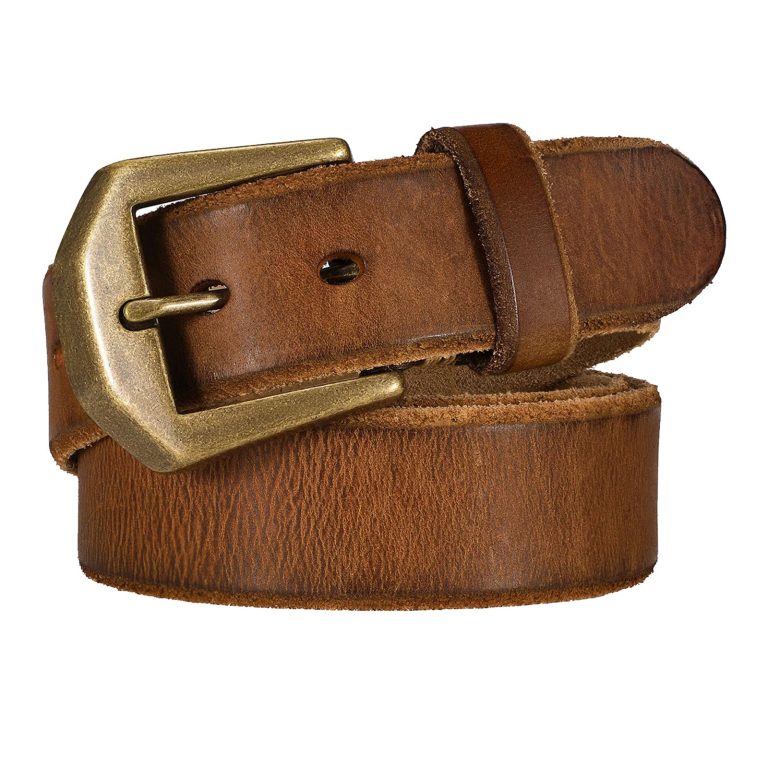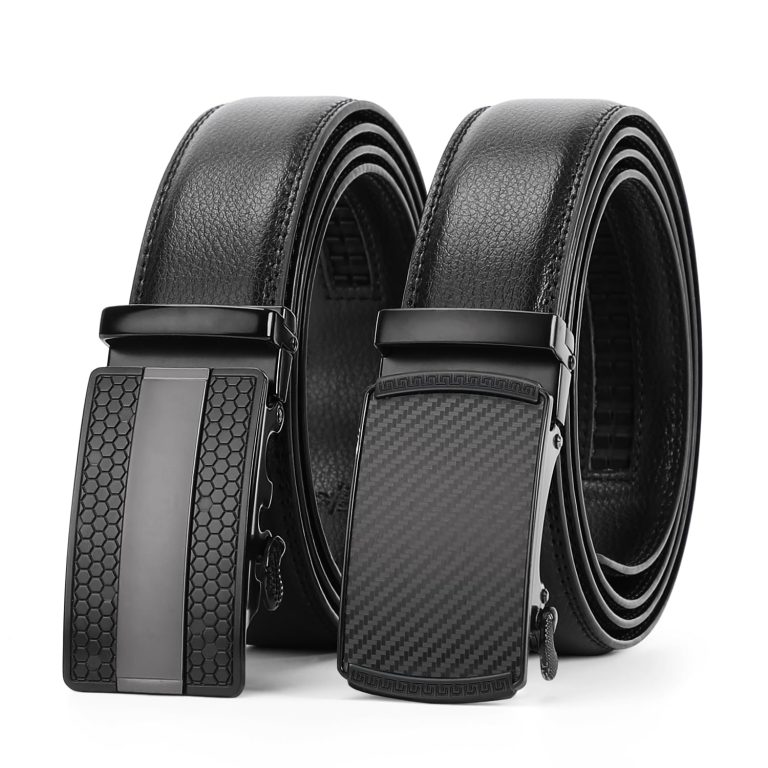
Western belt buckle sizes involve two separate questions: whether the buckle fits the strap, and how large it looks and feels when worn. Check both before ordering a replacement buckle or choosing a complete belt.
In this guide
Separate compatibility from appearance
A buckle’s overall width and height describe its visible size. The opening or attachment dimensions determine which strap construction it can accept. These measurements are not interchangeable.
Read the seller’s compatibility information rather than assuming a buckle labeled for a particular strap width fits every belt with that measurement.
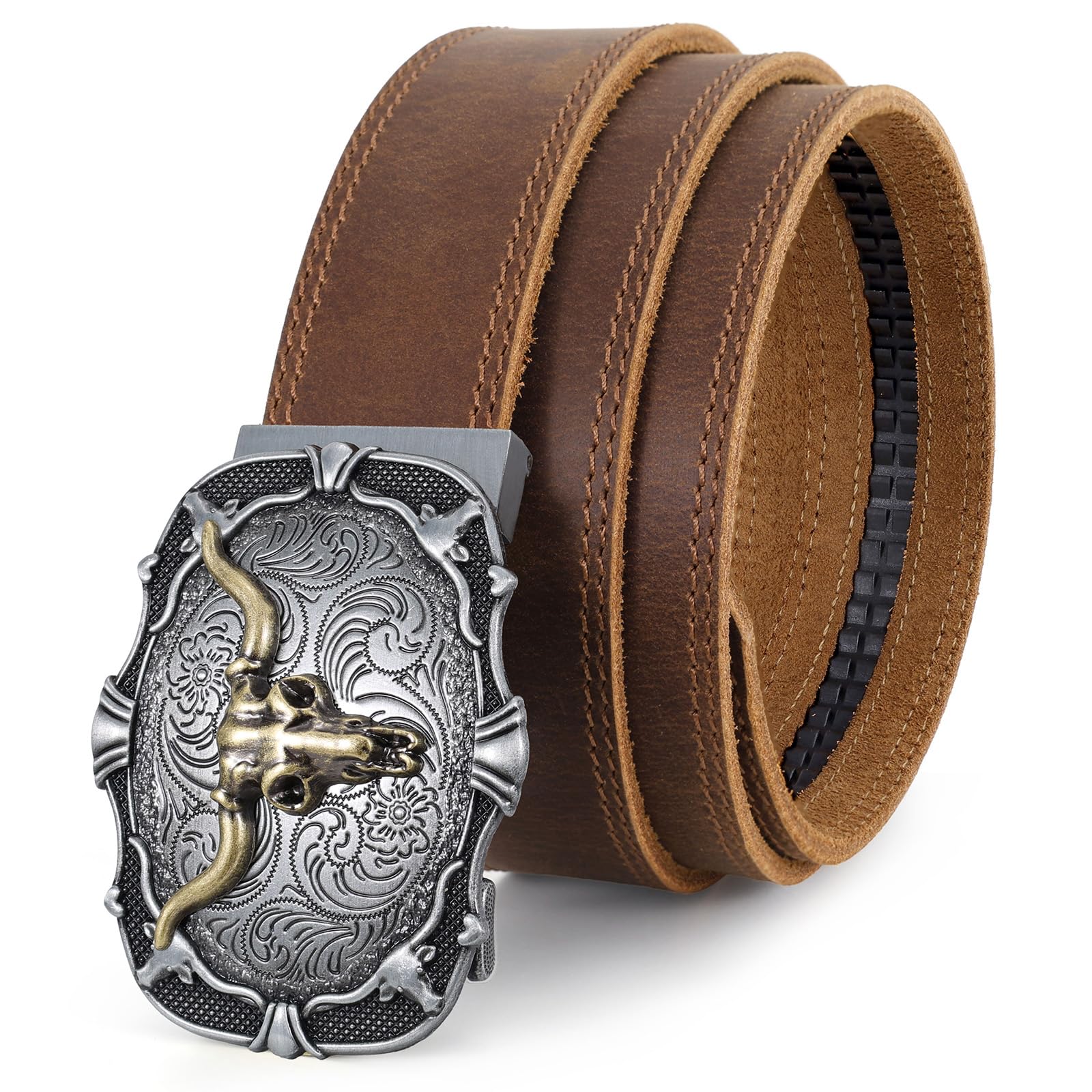
When browsing JASGOOD western belts, check whether the listing is for a complete belt, a buckle or a set. Compare the stated strap width and fastening details before focusing on the decorative face.
Check the attachment
Look at how the current buckle joins the strap. Some designs use removable snaps or screws; others have a fixed stitched or riveted attachment. Do not assume every western-style belt accepts a buckle swap.
If the buckle is replaceable, compare the attachment shape, clearance and intended strap thickness. Ask the seller about compatibility if the listing leaves those details unclear.
Avoid forcing a thick strap into an opening or bending hardware to make it fit. A close visual match is not proof of a secure connection.
Choose the visible scale
Try a compact decorative buckle with a tucked shirt and straight-leg jeans for an everyday version. It can supply a western reference without occupying much of the visible waistband.
For a more prominent buckle, use a simpler top and check the complete outfit in a mirror. The buckle’s shine, pattern and contrast can make it appear stronger than its measurements suggest.
If you wear a jacket, inspect the outfit with the jacket open and closed. A large buckle may sit differently beneath the front panels than it does with a tee alone.
Use a simple comparison method
- Measure the strap width and note the existing attachment type.
- Record the current buckle’s visible width and height.
- Compare those measurements with the listing for the new buckle or belt.
- Test the complete belt while seated and bending before removing tags or altering the strap.
You can use a paper rectangle to picture the new buckle’s outline against the outfit. Treat that as a visual aid only; it cannot reproduce the buckle’s thickness, curvature or weight.
When to keep the complete belt together
If compatibility is unclear, a complete belt designed around its own buckle may be simpler to assess than mixing parts. You still need to check the wearing range and trouser-loop clearance.
Choose the buckle that fits both the strap and your routine. A comfortable, secure fastening matters as much as the front-facing decoration.