A belt for a job interview should support the outfit you have chosen and feel comfortable when you sit.
In this guide
Start with the employer’s dress guidance and the level of formality you expect, rather than treating one belt style as a universal requirement.
Check whether the outfit needs a belt
Trousers with side adjusters or a clean, well-fitted waistband may be designed to work without one. If you do wear a belt, check that it fits the loops and does not gather the waistband into visible folds.
Choose the shirt, shoes and jacket first. It is easier to finish a complete outfit than to rebuild one around a new buckle.
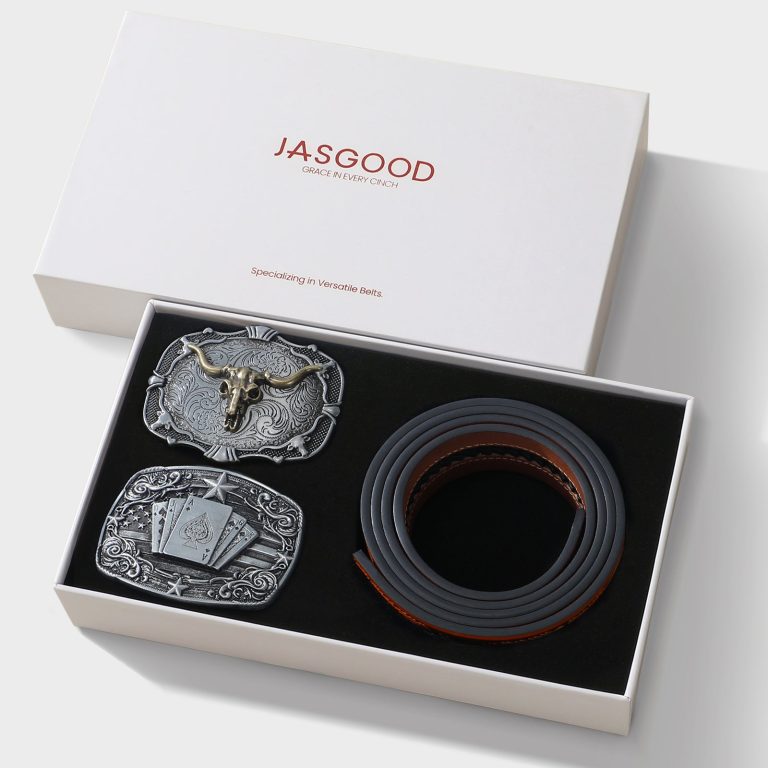
For a restrained finishing detail, compare JASGOOD office belts with your trousers and shoes. Look at the specific width and buckle profile, and choose a fit range that remains comfortable while seated.
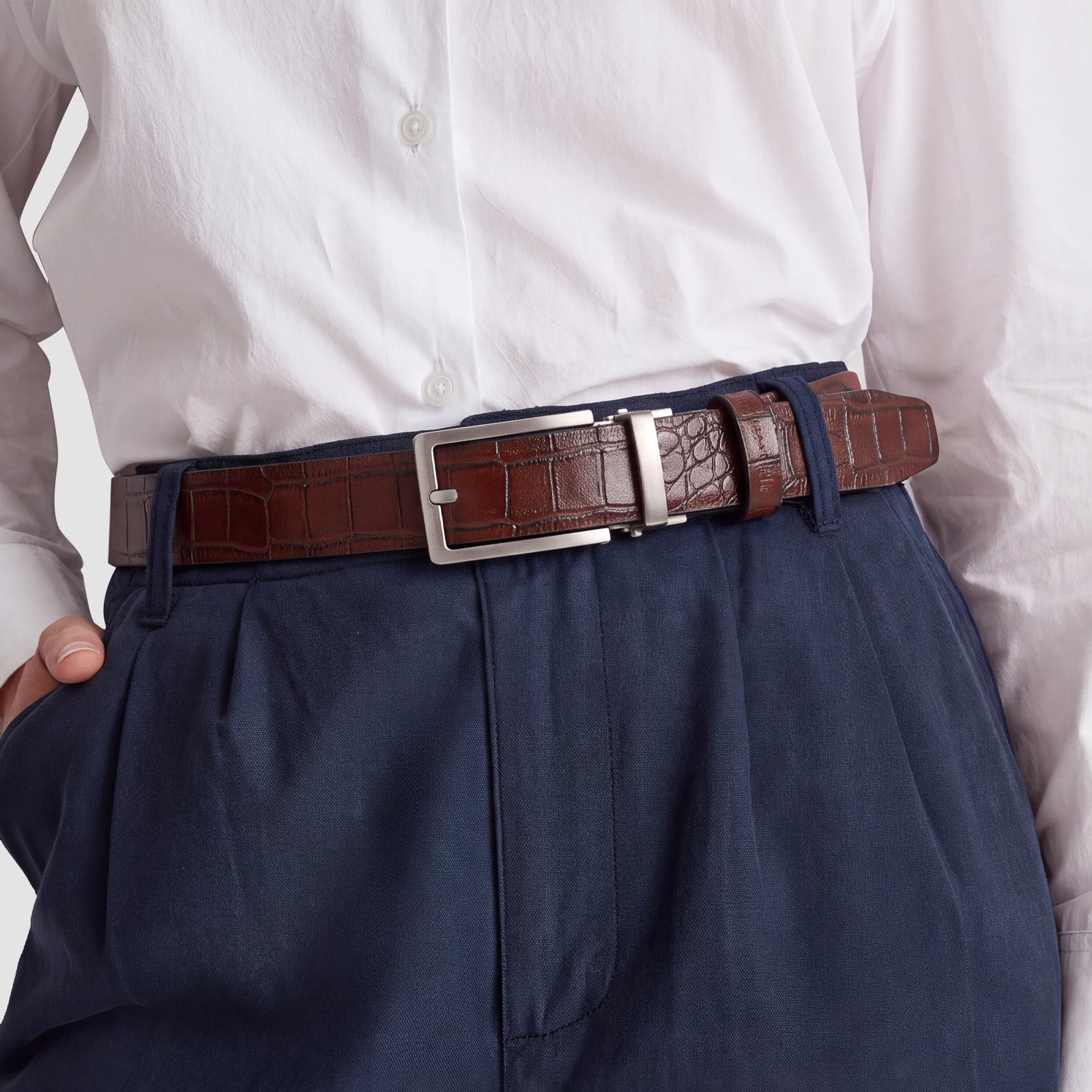
Three interview settings
Conservative tailoring
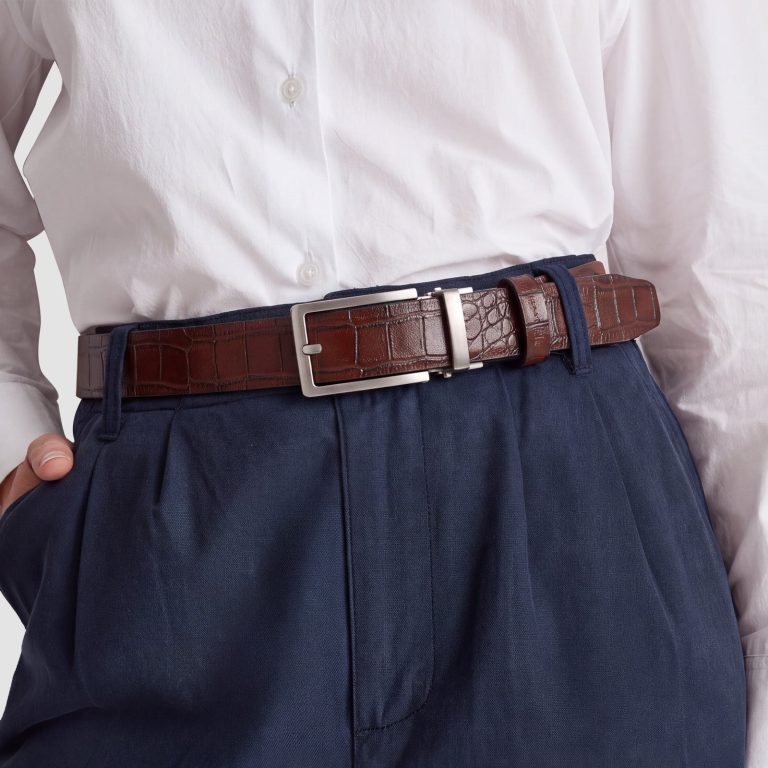
Try tailored trousers, a shirt or blouse and polished shoes with a simple belt. A compact buckle and smooth-looking strap keep the waist detail understated beneath a jacket.
Black shoes with a black belt provide an easy starting point. With brown shoes, a similar color family can connect the pieces without requiring an exact shade match.
Business casual
Pair chinos or relaxed tailoring with a knit top or shirt. A plain belt with subtle texture can finish the outfit while leaving the clothing as the main feature.
If the workplace guidance is unclear, use what you know about the role and employer. No accessory can substitute for checking the expected dress level.
A creative workplace
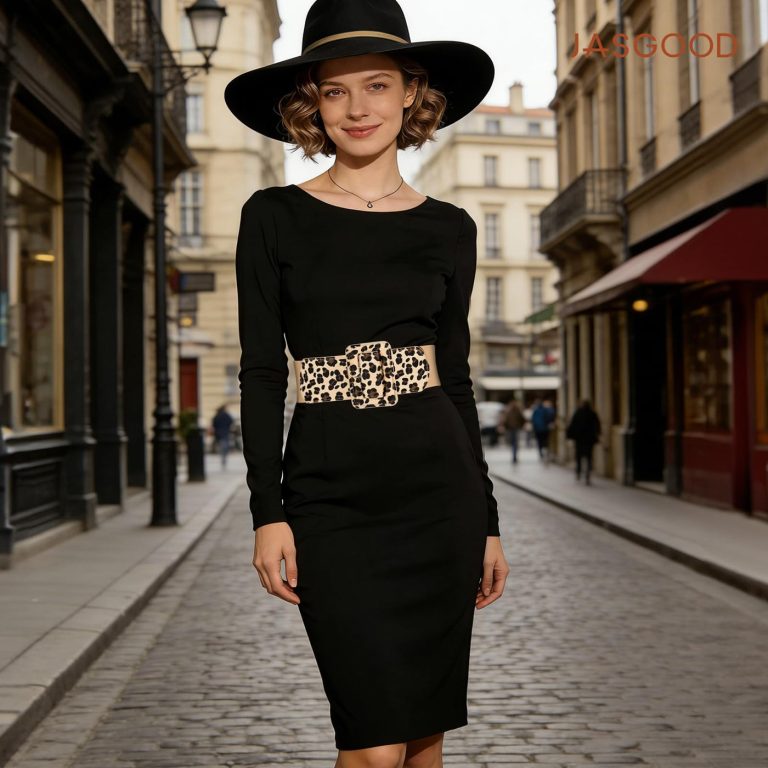
You may have more room for a distinctive buckle or color. Choose one detail you feel comfortable wearing, then check it does not conflict with strong prints, large jewelry or prominent jacket buttons.
The aim is a considered outfit that you can stop adjusting once the conversation begins.
Rehearse the seated version
Put on the complete outfit and sit in a normal chair. Lean forward, stand and walk. Check for pressure from the buckle, strap edges and any layered seams beneath it.
Close the jacket if you plan to wear it closed. Make sure the buckle does not create an uncomfortable lump under the front.
Practise the fastening if the belt is new. An unfamiliar release is worth learning at home, rather than during an already busy morning.
The day-before check
Inspect the strap, keeper and fastening for visible damage. Follow the product’s care instructions for cleaning, and leave enough time for any permitted treatment to dry.
Lay the outfit out with the belt already selected. If your existing belt fits, suits the clothes and is in good condition, you may not need to buy another one for the occasion.