How to store belts depends on the strap, buckle and space available. Aim to avoid repeated sharp folds, trapped moisture and heavy hardware pressing into a surface, then choose a method that makes the belts easy to find.
In this guide
Prepare the belt before putting it away
Check that the belt is clean and dry according to its care instructions. Do not seal a damp strap in a drawer or bag and expect storage alone to solve the problem.
Inspect the fastening and edges. Storage is a useful moment to notice a loose screw, separating layer or frayed keeper before the next wear.
If you are replacing a damaged belt, review the construction and care details in JASGOOD men’s belts. Choose a design you can store and maintain realistically, as well as one that fits your clothes.
Choose between hanging and rolling
Hanging from a suitable support
A belt rack can keep straps visible and reduce repeated folding. Use a support that suits the buckle or hanger arrangement without bending or scratching the hardware.
Leave enough room that a heavy buckle does not knock against another belt. Avoid forcing a strap through a tiny hook that creates a sharp crease.
A loose roll in a drawer
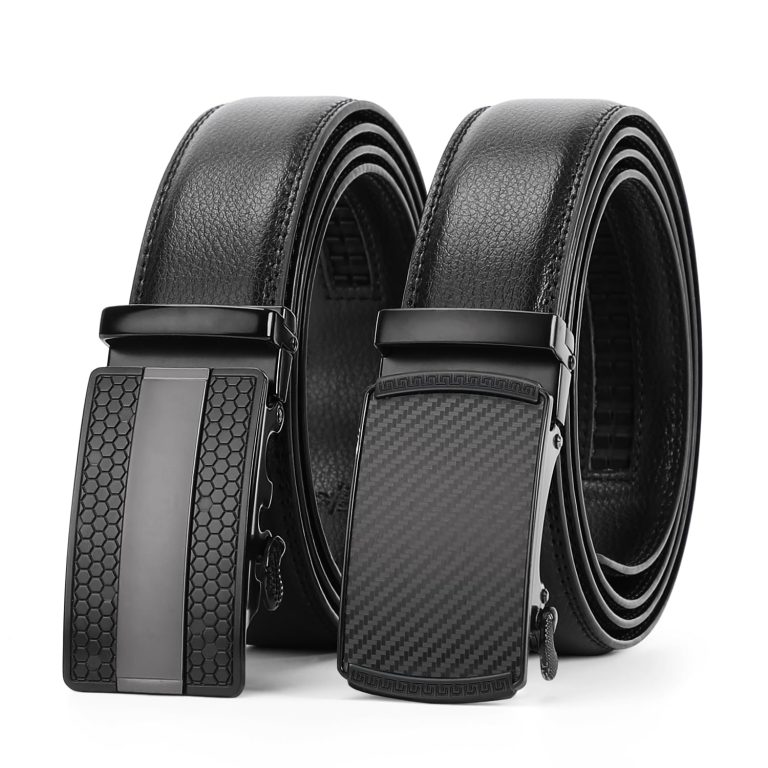
Follow the belt’s natural curve and roll without pulling tight. Keep the buckle from pressing into the outer surface, especially on a soft or decorated strap.
A divider can separate belts and stop them being crushed beneath other accessories. Do not wedge a stiff belt into a compartment that requires an abrupt bend.
Flat storage for a delicate design
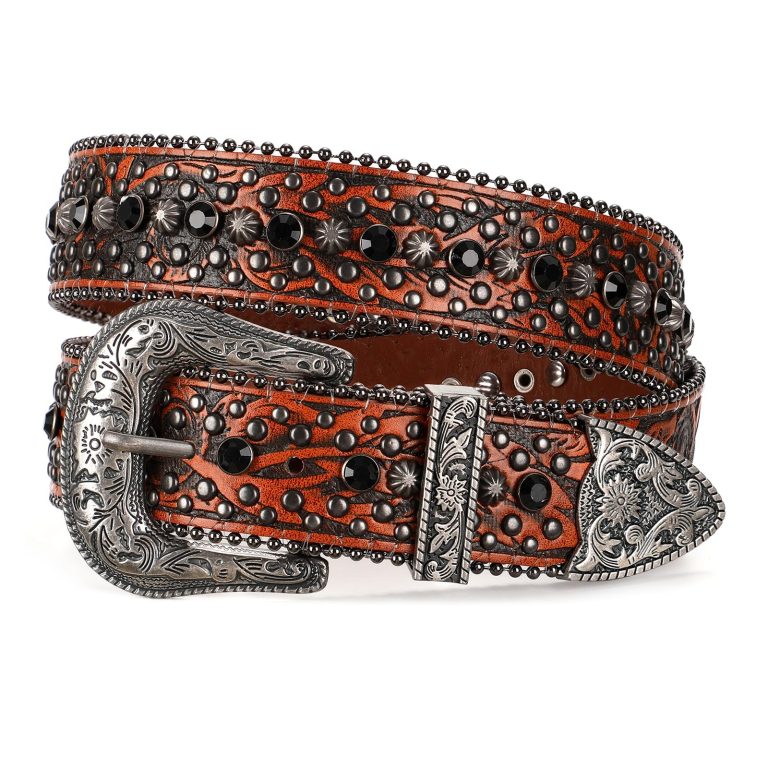
A chain belt or heavily decorated style may be easier to lay separately. Fasten the clasp if appropriate and keep ornaments away from delicate fabric that could snag.
Use the maker’s storage guidance when the construction needs special handling.
Make a small space work
Keep frequently used belts near the front of a drawer or on accessible hooks. Store occasional pieces separately instead of piling all the buckles together.
Labeling a divider by color or use can help, but visibility is usually enough for a small collection. Avoid a system that requires tight folding every time you put a belt away.
What if a crease is already there?
Do not automatically iron, soak or heat the strap. Those methods can affect finishes, adhesives and elastic components.
Check the manufacturer’s advice for that material. A gentle worn-in curve may be harmless, while cracking or separation near a crease calls for a condition assessment rather than more forceful straightening.