A missing belt buckle screw is a reason to stop using the affected attachment until it has been assessed. Do not substitute a screw that merely looks similar. The thread, length, head and any matching part all need to suit the original construction.
In this guide
Keep the assembly together
Take the belt off carefully and place loose parts in a small container. Check the immediate area for the missing piece without continuing to pull on the incomplete attachment.
Photograph the front and back of the fitting and the place the screw occupied. If another matching screw remains, leave it in place unless the maker asks you to remove it for identification.
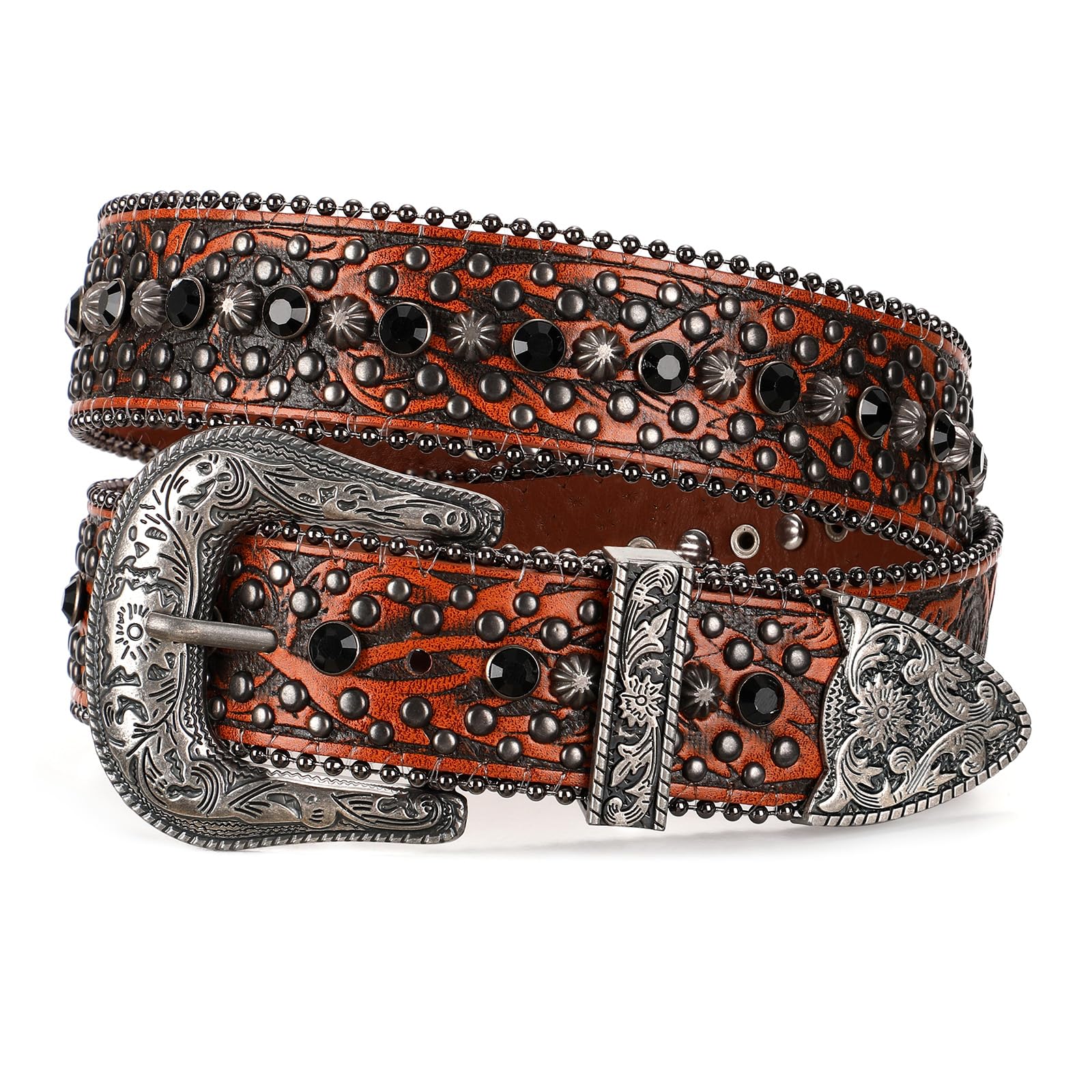
For example, the JASGOOD Rhinestone Belt for Women Men listing describes a detachable buckle and included screwdriver. That does not establish a universal screw size; request the part and procedure for the exact model.
Check for damage around the missing part
Look at the strap opening, any threaded fitting and the buckle attachment. A missing fastener may be the only issue, or surrounding parts may also be bent, stripped or torn.
Do not tighten another screw harder to compensate. More force on the remaining part does not restore the original assembly and can make an existing defect harder to assess.
Ask for an exact replacement
Send the product name, order information and photographs to the maker or repairer. Ask whether both halves of a fitting need replacement and whether the original strap is still suitable for reuse.
Useful information includes where the screw was fitted and whether the attachment came loose gradually or separated suddenly. Avoid presenting an estimated hardware-store size as a confirmed specification.
Follow the intended repair method
If a suitable replacement is supplied, use the maker’s instructions and specified tool. A screw should not require forcing into an uncertain thread. Stop if it will not seat as directed.
Do not add glue, thread-locking chemicals or washers without model-specific guidance. Such changes can affect the attachment or make later removal difficult.
Check before returning to normal wear
Inspect the completed assembly from both sides and confirm that the belt fastens and releases normally. Keep the strap relaxed for the first check rather than testing it with a hard pull.
If the fitting remains loose, the screw backs out again or the surrounding material is damaged, seek a proper repair or replacement. A decorative buckle that looks complete from the front is not enough evidence that its attachment is sound.
Until the issue is resolved, use another belt. Keeping the original components and a clear record makes the repair question much easier to answer.