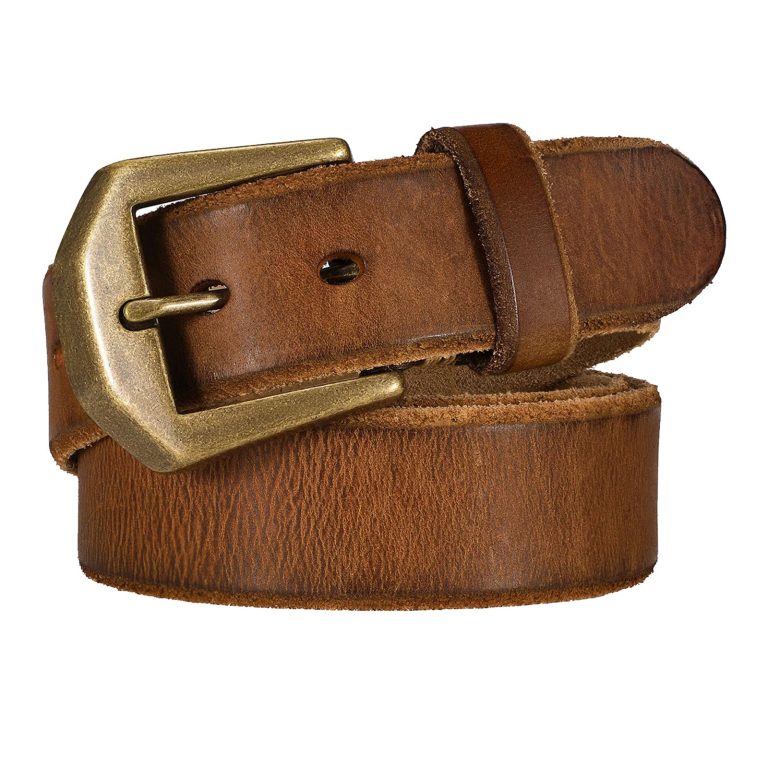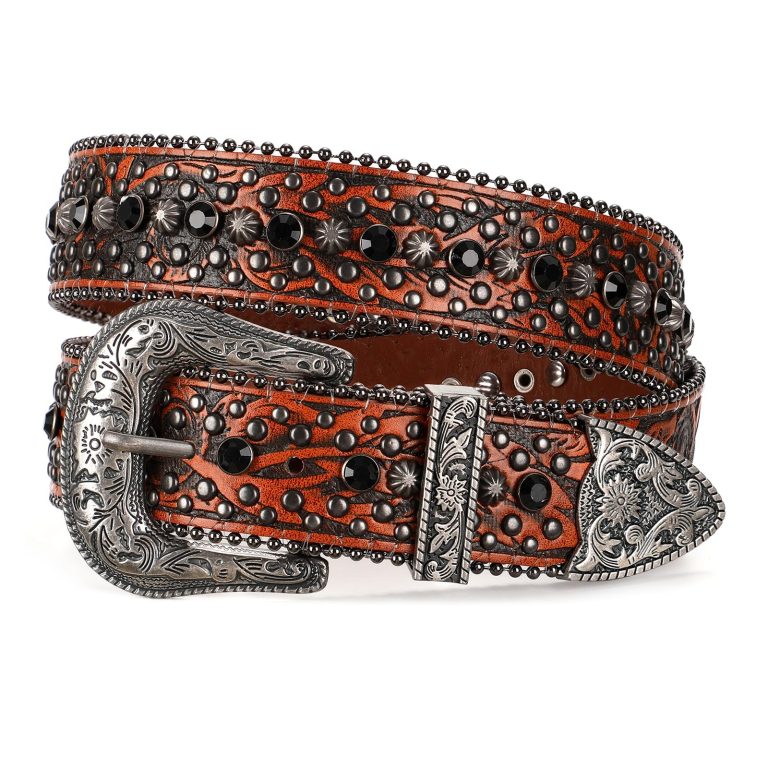
Belts for toddlers deserve a practical first question: does the outfit need one? Well-fitting trousers with an appropriate adjustable or elastic waistband may be easier for everyday dressing, sitting and bathroom routines.
In this guide
Confirm suitability before considering style
Do not assume a belt is suitable for a toddler because it appears in a children’s collection or fits a small waist. Check the maker’s intended age, instructions and the complete fastening arrangement.
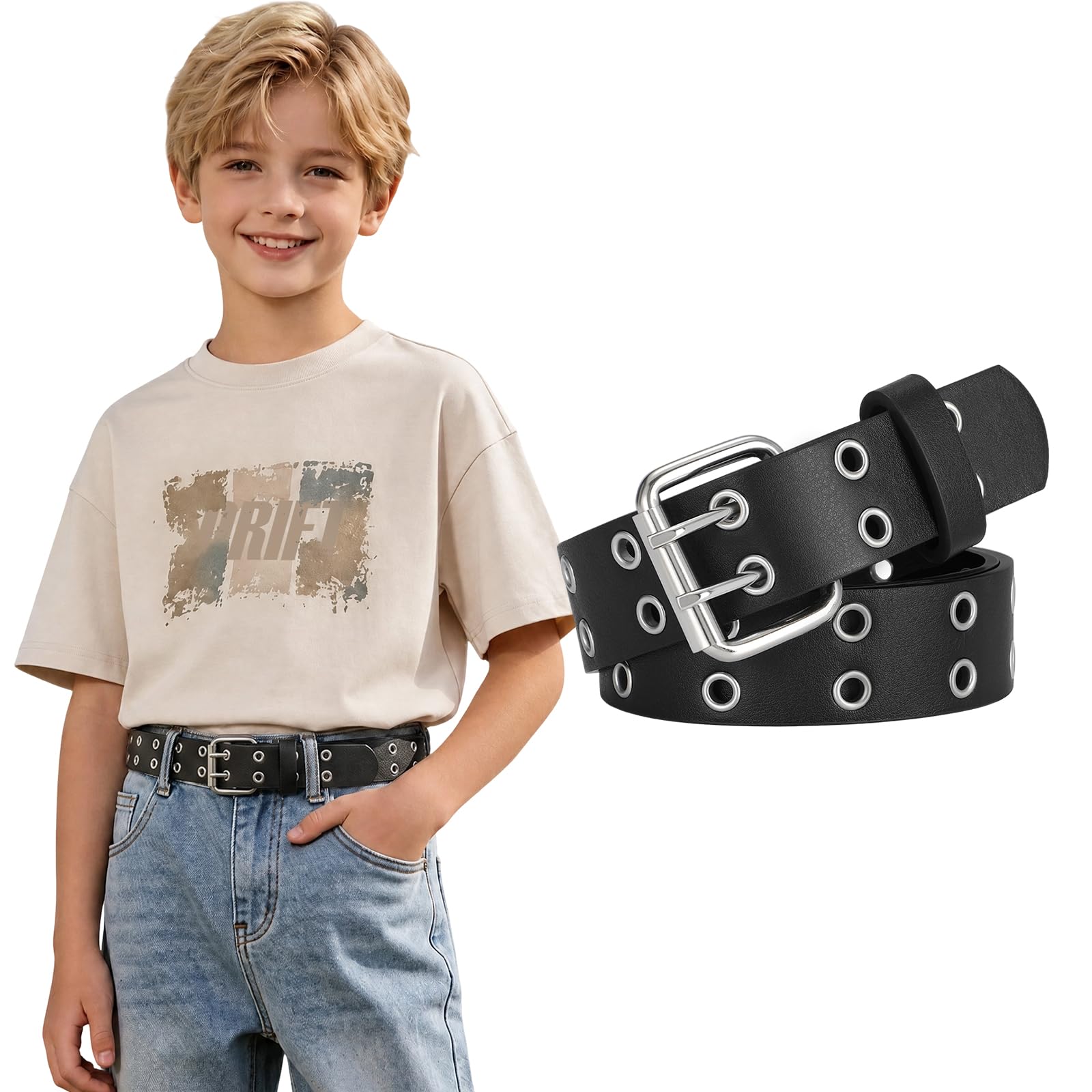
If that information is missing, ask the seller before buying. A product photo of an older child does not establish suitability for a younger one.
The JASGOOD kids’ belt collection can help you compare designs, but confirm the selected model’s intended age and use directly. Choose an age-appropriate option only when its fit and instructions suit your child’s needs.
Compare the simplest alternatives
An adjustable waistband
Check whether the trousers already allow a comfortable adjustment. This may reduce extra hardware and make dressing easier without adding another accessory.
A different trouser fit
If the waist is much too large, a belt may create uncomfortable folds while leaving the rest of the garment poorly fitted. Try a better size or cut before tightening around the waist.
A belt for a specific outfit
If a belt is appropriate and needed, practice with it at home. An adult should inspect the fastening, tail and keeper and help the child use it according to the instructions.
Check the complete outfit
Have the child sit, bend and walk normally. Watch for rubbing, pressure, twisted elastic or loops being pulled out of shape.
Make sure the strap’s tail can be secured as designed. Avoid improvising extra knots, dangling extensions or decorative additions to make an unsuitable size work.
Stop using a belt with loose or damaged hardware, and keep detached pieces away from children. Recheck the condition regularly, including after washing or adjustment.
Be careful with safety claims
The CPSC’s small-parts guidance explains small-parts hazards and product-specific regulatory distinctions, including exclusions for clothing accessories. It is not approval of a particular belt.
A marketing term such as kids’ belt does not replace product-specific suitability information. Follow the maker’s guidance and any nursery or activity requirements.
Keep the daily routine manageable
Choose clothing the child and caregiver can release and refasten comfortably. Reassess as the child grows rather than relying on an earlier size label.
For many everyday outfits, a suitable waistband without an added belt is the simplest finished result.