If you want to fasten a belt with one hand, compare the entire dressing routine rather than the buckle name alone. Threading the trousers, bringing the ends together, adjusting tension and releasing the closure can each present a different challenge.
In this guide
List the steps you need to perform
Consider whether the belt stays in one pair of trousers or moves between outfits. A closure that is convenient once threaded may still be awkward when the strap must pass through several back loops.
Include the tail and keeper in the trial. Fastening the buckle is not the last step if the free end then needs to be held, fed or repositioned.
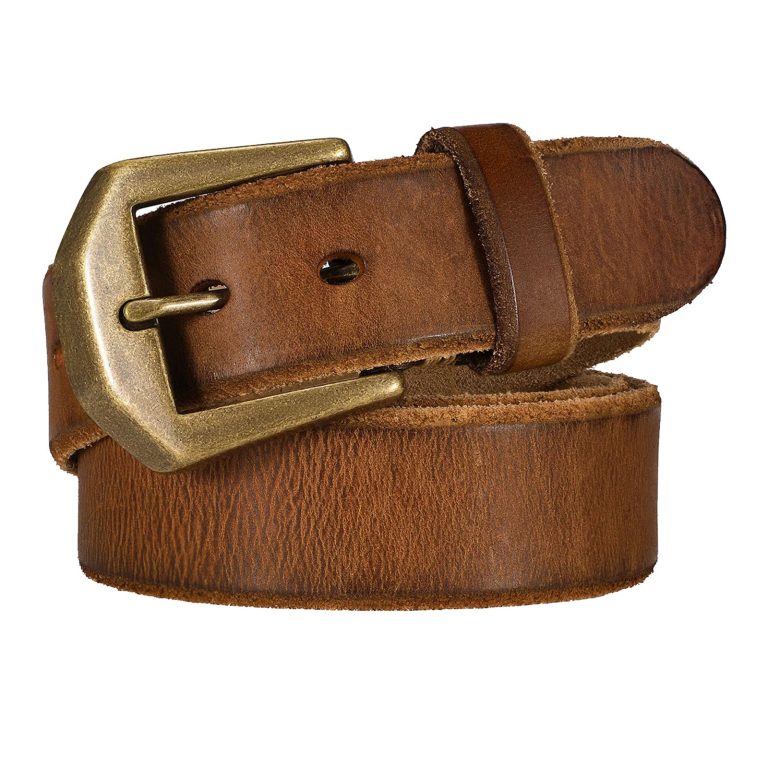
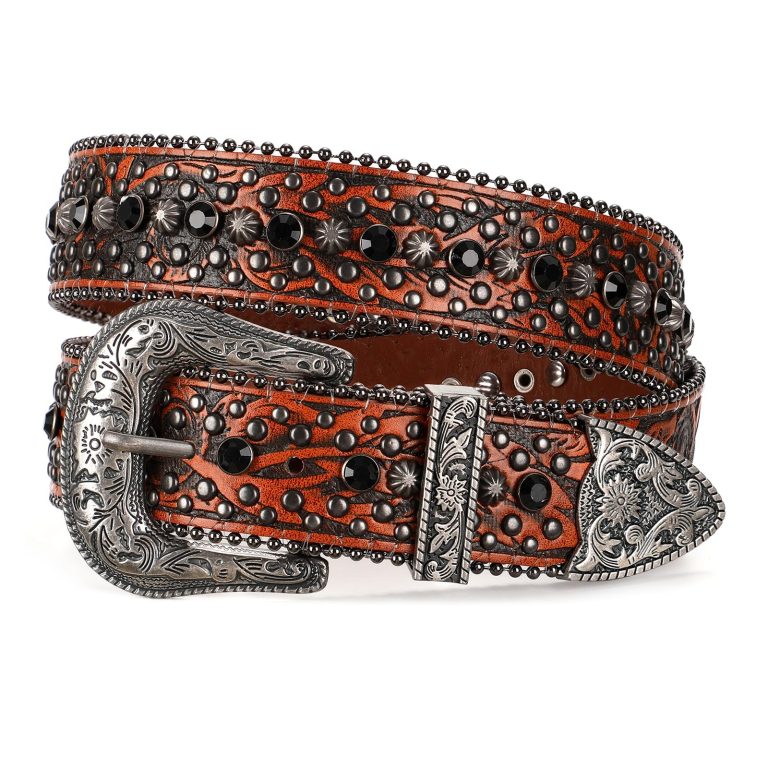
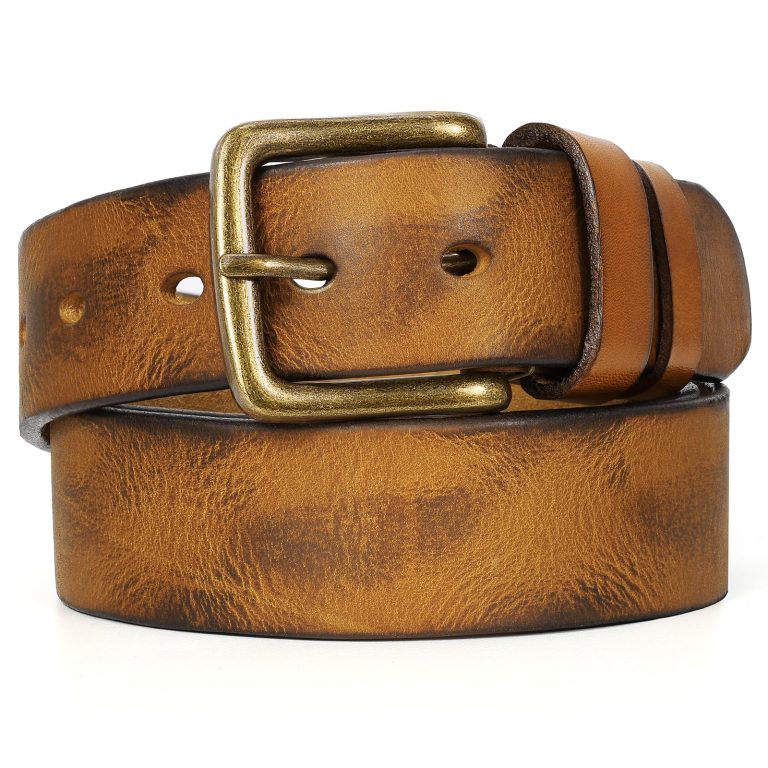
Use a specific option from JASGOOD pin-buckle belts as one comparison, alongside any other mechanism you are considering. Ask for an operating demonstration rather than assuming that a familiar frame will suit every user.
Compare what each mechanism asks you to do
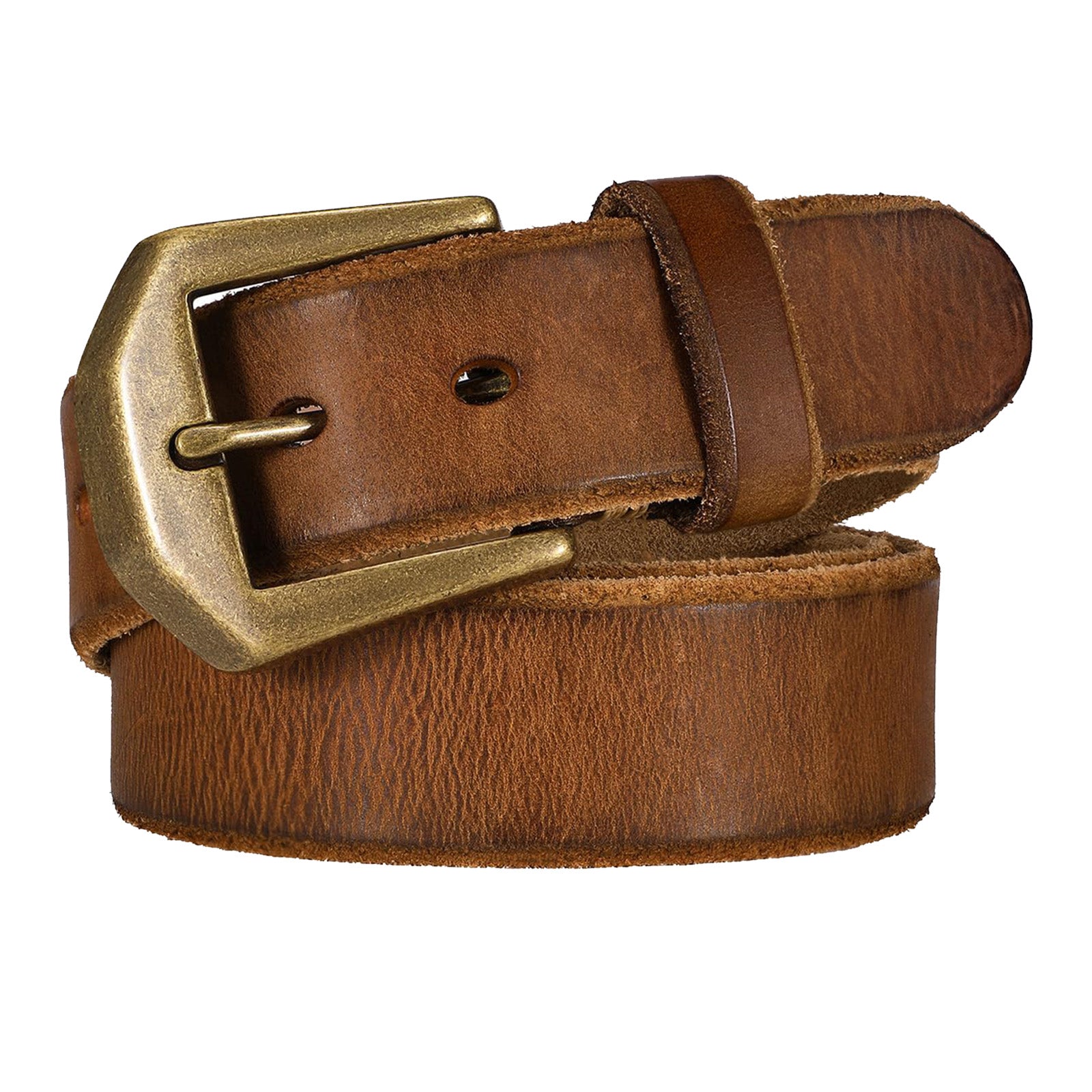
A pin buckle requires the intended hole to meet the pin. A ratchet design requires its matching strap to enter the mechanism and its release to be operated. Rings and clasps have their own threading or closing steps.
These descriptions do not establish a universal easiest option. The size, placement and resistance of the actual components can matter as much as the type of fastening.
Try the routine in your normal position
During a permitted trial, wear the trousers and usual shirt layer. Test standing or seated as you normally dress, keeping the belt at a comfortable setting rather than pulling hard to simplify the closure.
Check whether clothing blocks the release and whether you can reach it comfortably. If a step requires a second hand, note exactly which step rather than marking the whole belt simply easy or difficult.
Give opening equal attention
Make sure you can release the belt calmly and repeat the action. A closure that is easy to tighten but awkward to open may not suit the routine you need.
Do not modify the mechanism, add an improvised pull tab or remove a safety-related part to make the trial succeed. Ask the maker about intended operating options or a more suitable design.
Buy on demonstrated use
Read the current trial and return conditions if you need to assess the belt in person. A video can clarify the sequence, but it cannot tell you exactly how a particular component will feel to operate.
For example, a larger release control may be easier for one person to locate while adding unwanted bulk for another. Choose the arrangement you can operate comfortably, and seek individualized dressing assistance if your needs require it.