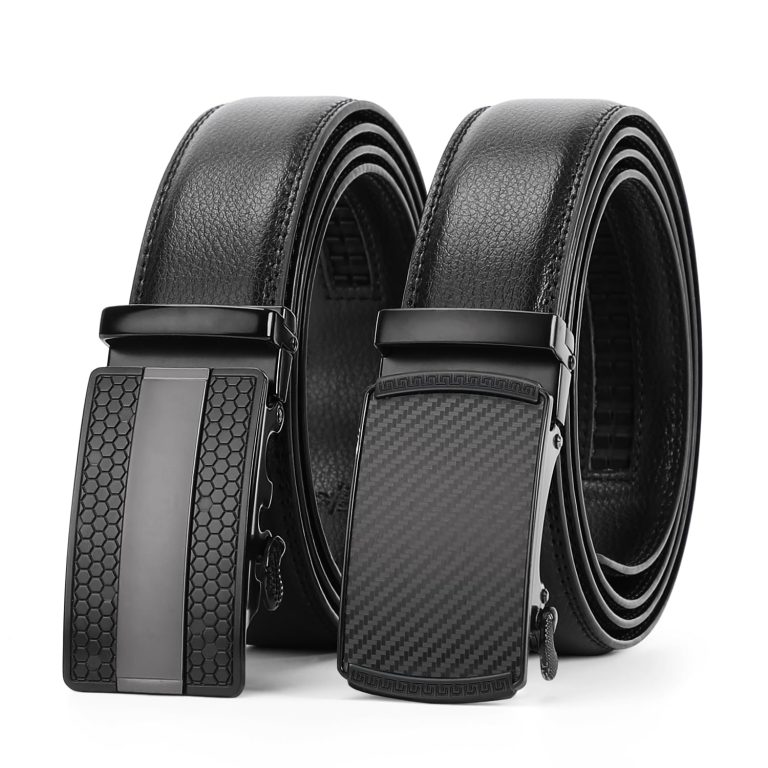
If a ratchet belt will not release, stop pulling harder on the strap. First identify the release control for that exact buckle and check whether tension or trapped clothing is making it difficult to operate. Ratchet buckles differ, so a lever position or direction that works on another belt may be wrong for yours.
In this guide
Find the correct control
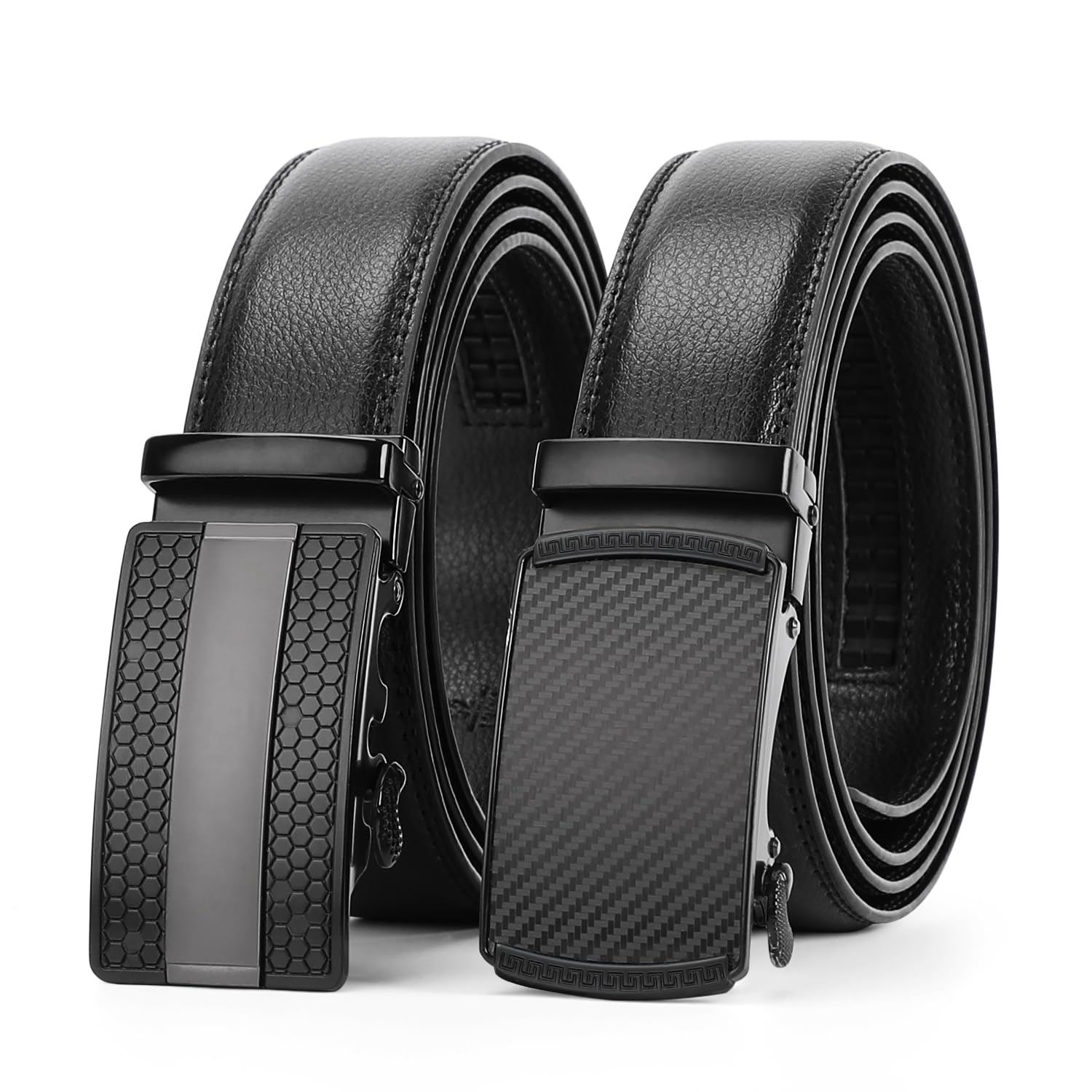
Look at the instructions supplied with the belt or the maker’s diagram. The control may be a lever, button or another moving part; do not assume that a decorative plate is meant to be pulled open. If the instructions are missing, use the product name or order details to ask the seller for the correct method.
Move a tucked shirt away from the buckle so you can see and reach the control. Keep fingers clear of moving edges. If the fastening is pressing uncomfortably, ask someone to help you inspect it rather than repeatedly tightening the strap while trying different movements.
For a replacement or a first ratchet belt, compare the release designs shown in JASGOOD ratchet belts. Choose a model whose control you can comfortably reach and understand. A different buckle can be easier for your use, but buying another belt is not the first step when the current one simply needs the correct operating instructions.
Take tension out of the attempt
Stop pulling the free end away from the buckle while you are trying to release it. Follow the model’s instructions for disengaging the mechanism, supporting the buckle rather than yanking on the trousers. Use only the movement and direction shown for that design.
If the mechanism begins to release, withdraw the strap slowly and evenly. If it remains stuck, do not keep repeating the movement with greater force. A control that does not move normally needs inspection, not an improvised tool placed against your body.
Look for a visible obstruction
Check whether a shirt hem, loose thread or folded edge of the strap is caught where it enters the buckle. Do not push an object inside the mechanism to search for something you cannot see. Never put oil or another lubricant into the buckle unless the maker specifically recommends it for that model.
If the belt comes off normally after the clothing is moved clear, inspect the strap and track on a table before using it again. Look for damage or a section that no longer feeds as intended. Do not dismantle a spring-loaded buckle without suitable instructions.
Decide whether to use it again
Try the instructed fastening and release movement with the belt off your body. If it operates smoothly, check once more with the intended trousers at a comfortable setting. Keep the release area accessible rather than burying it under a tight layer.
If the control jams repeatedly, the track is damaged or the buckle will not hold or release reliably, stop using it and contact the seller. Record the model, what you were doing when it stuck and a clear photograph taken off the body if possible. That information is more useful than a general report that every ratchet belt is difficult.
Make the next wearing check simple
Before a long journey or workday, practise the release on a new belt while it is off the trousers. This confirms that you know which part moves before the belt is carrying tension. Our ratchet belt guide explains the basic track-and-release arrangement, with the same reminder to follow the selected model’s instructions.