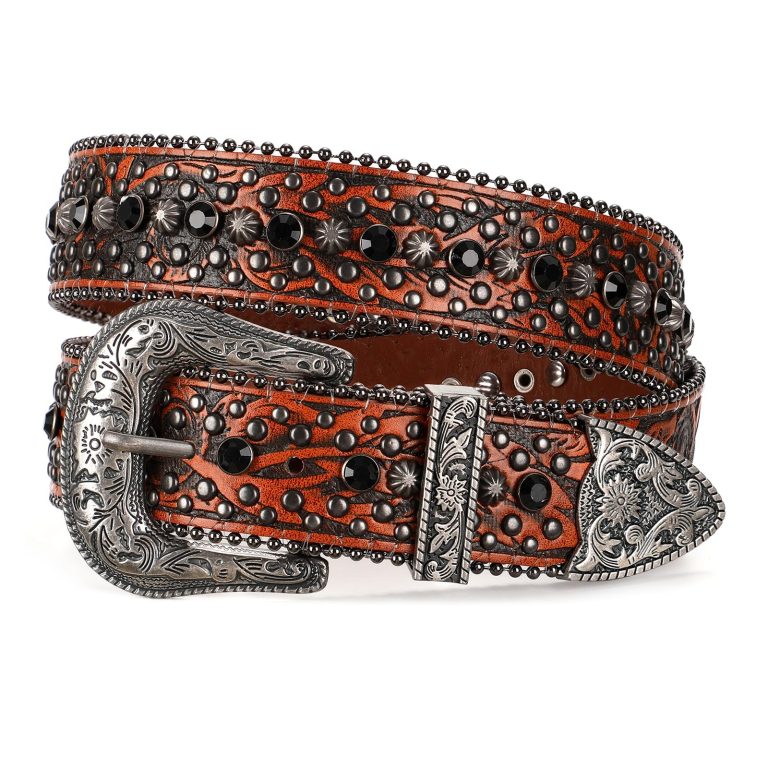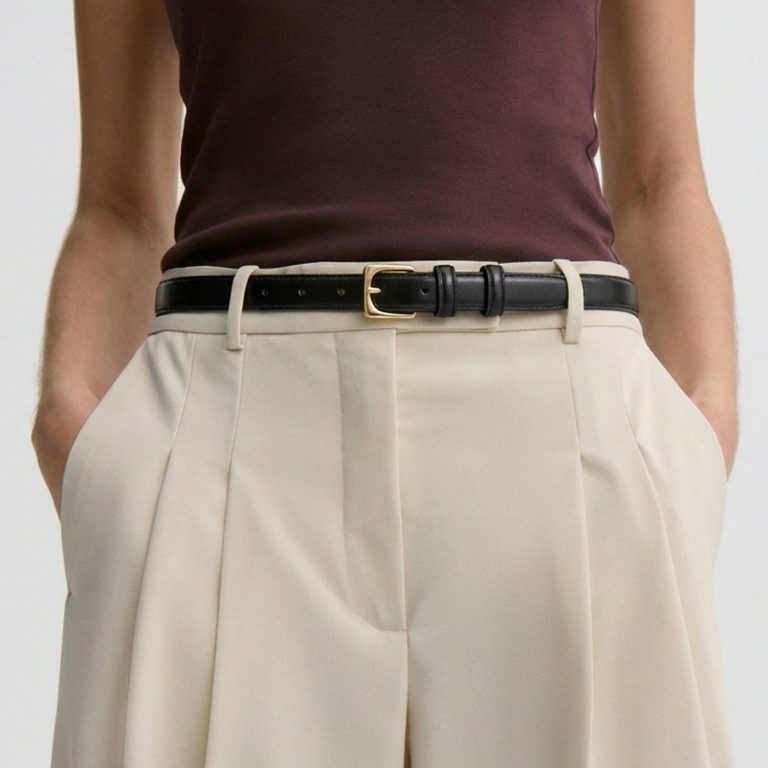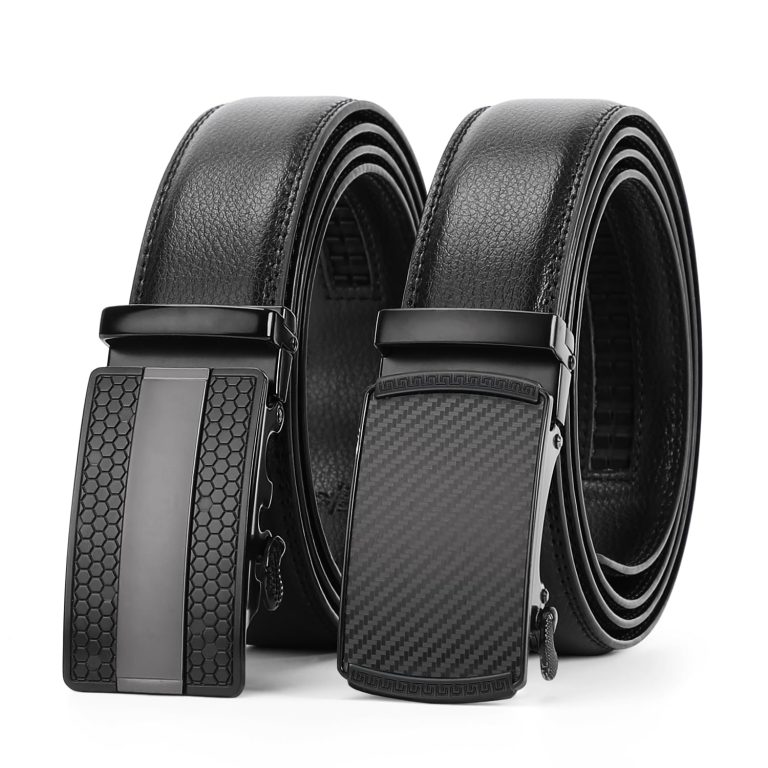
If your belt squeaks when you walk, first locate the contact point. The sound may come from the belt itself or from it rubbing against clothing. A squeak alone does not tell you that leather needs conditioner or that a fastening is damaged.
In this guide
Reproduce the sound gently
Stand in a quiet room and make the small movement that produces the noise. Notice whether it happens when you turn, sit or move the buckle. Stop if a fitting appears loose or the strap is separating.
Remove the belt and flex it gently in its normal direction. If the sound disappears away from the trousers, inspect the loops, waistband closure and tucked fabric before treating the belt.
If you later compare another belt, look at the frame, keeper and strap route in JASGOOD pin-buckle belts. Different contact points may suit your trousers better; a photo cannot promise silent wear.
Separate three possible contact areas
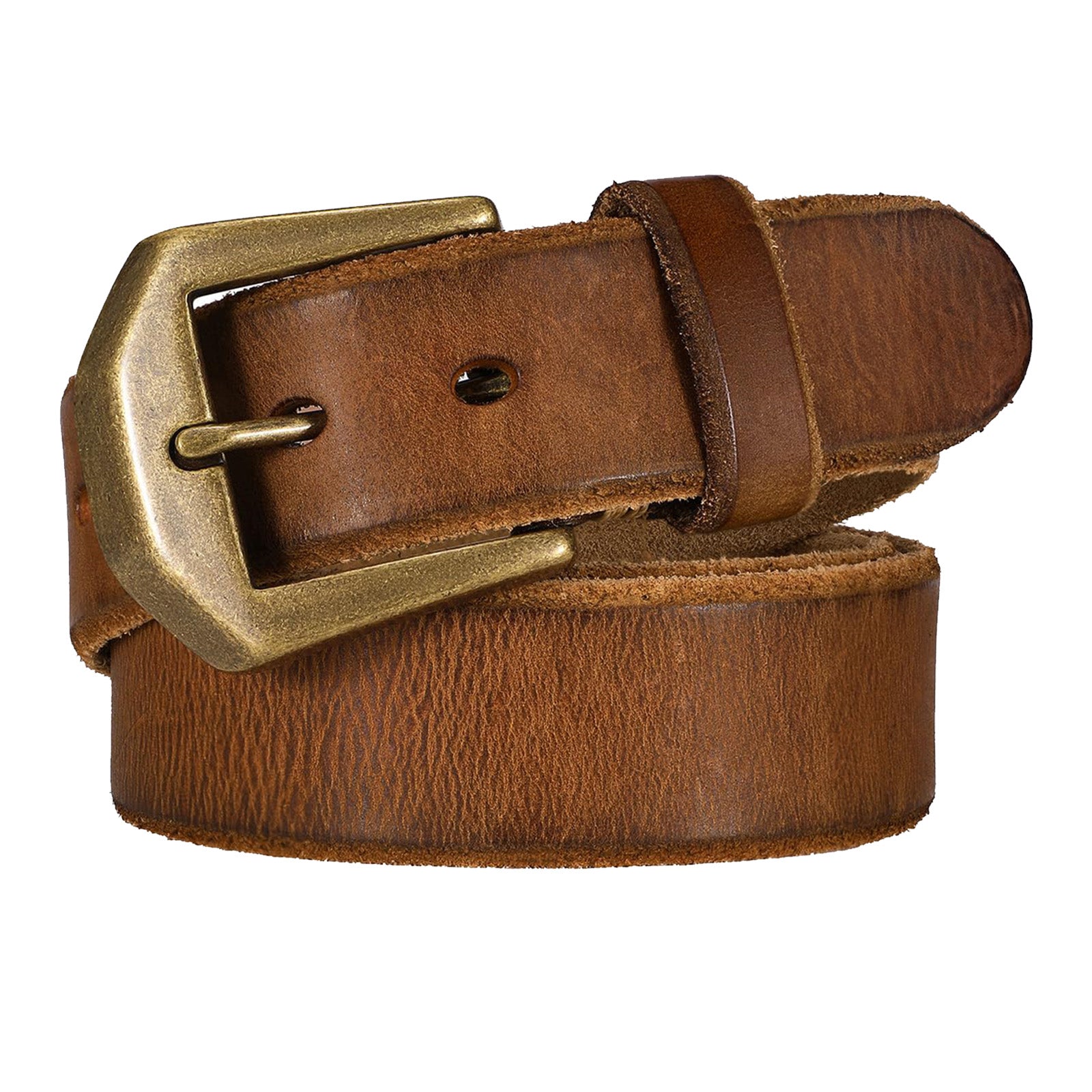
At the buckle: watch where the strap folds and where the pin meets the frame. Check whether the fastening is seated normally, with no trapped shirt fabric or twisted strap.
At the keeper: check that the tail lies flat. A tip forced through at an angle can press against the keeper differently from a straight, relaxed strap.
At the trousers: inspect the smallest loop and any raised waistband hardware. Re-thread the belt flat and compare the sound with another suitable pair of trousers.
Change one thing at a time
Start by resetting the shirt tuck and the belt route. Fasten at a comfortable setting, then repeat the movement. If the noise stops, there is little reason to add a care product.
For example, a sound that appears only with one pair of coated trousers may involve contact between surfaces. Trying another compatible belt is more informative than immediately coating both items with a treatment.
Keep the comparison fair: use a similar wearing position and tension. If you tighten the second belt much more, you have changed more than the material touching the waistband.
Do not lubricate by guesswork
Household oil, powders and sprays are not universal belt-care products. They can reach clothing, alter a finish or affect a fastening that relies on friction. Follow the belt maker’s instructions for its actual construction.
Conditioner is also not a general solution for every belt labeled leather. Coatings, linings, adhesives and decorative parts need to be considered. Ask the manufacturer before applying anything to an uncertain surface.
Escalate a mechanical problem separately
If a screw, rivet, hinge or buckle attachment moves unexpectedly, have it assessed rather than trying to quiet it. Reducing the noise would not establish that the fastening holds correctly.
Send the seller a short recording and describe when the noise occurs, whether it happens off the trousers and what you have already checked. Those observations can narrow the problem without risking the finish.