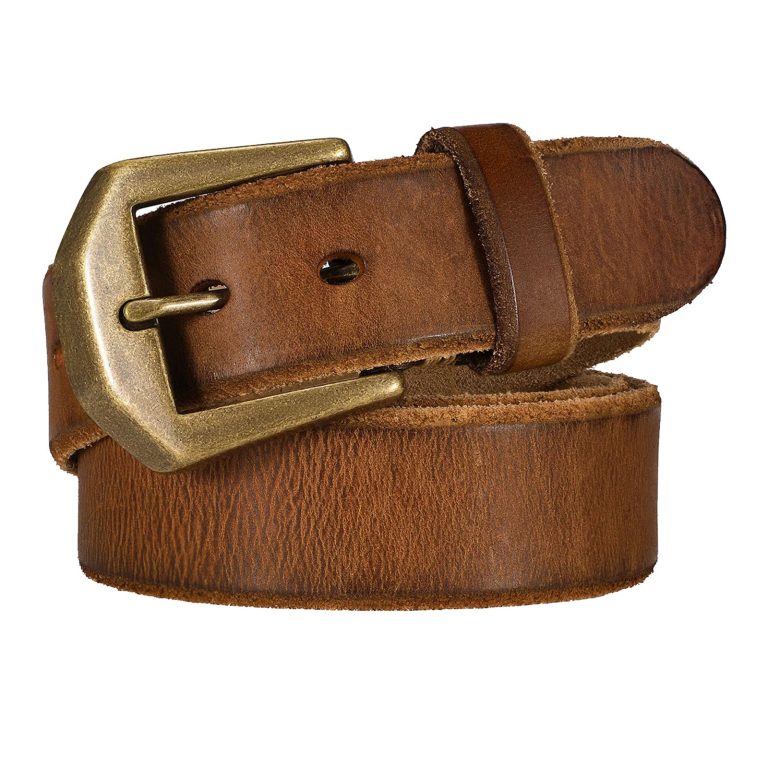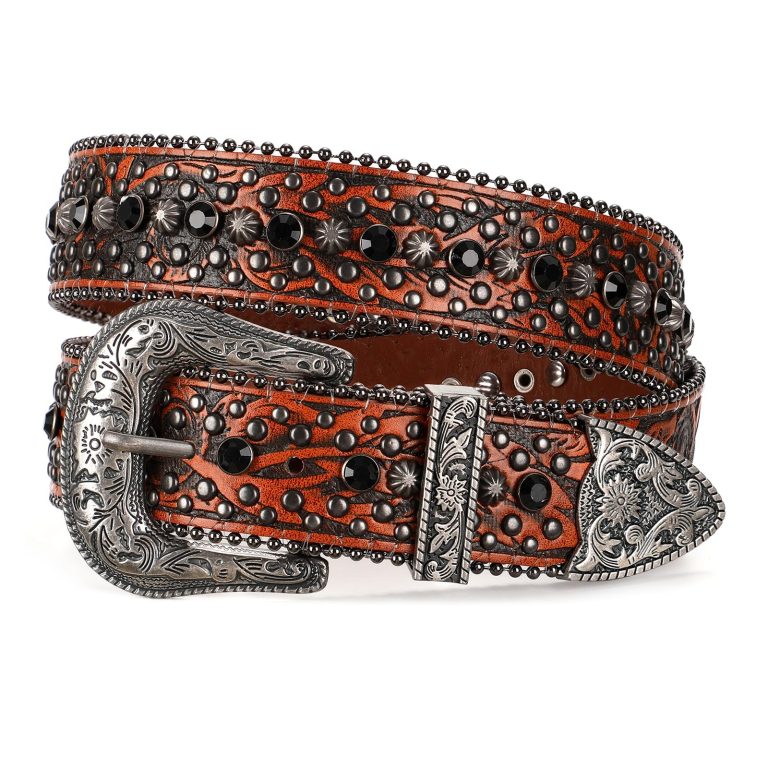
A belt for a lightweight dress should add the shape you want without dragging the fabric into an unwanted fold. Start by checking the dress’s structure. Then compare belt weight, edges and fastening placement rather than choosing only by color.
In this guide
See what the fabric does without a belt
Put the dress on and let it hang naturally. Notice whether it has a fitted waist, elastic gathering or a loose straight shape. The same belt can affect those constructions quite differently.
Try a soft ribbon at your preferred height, loosely enough to preserve movement. If you dislike the gathering it creates, a heavy decorative belt is unlikely to solve that basic silhouette question.
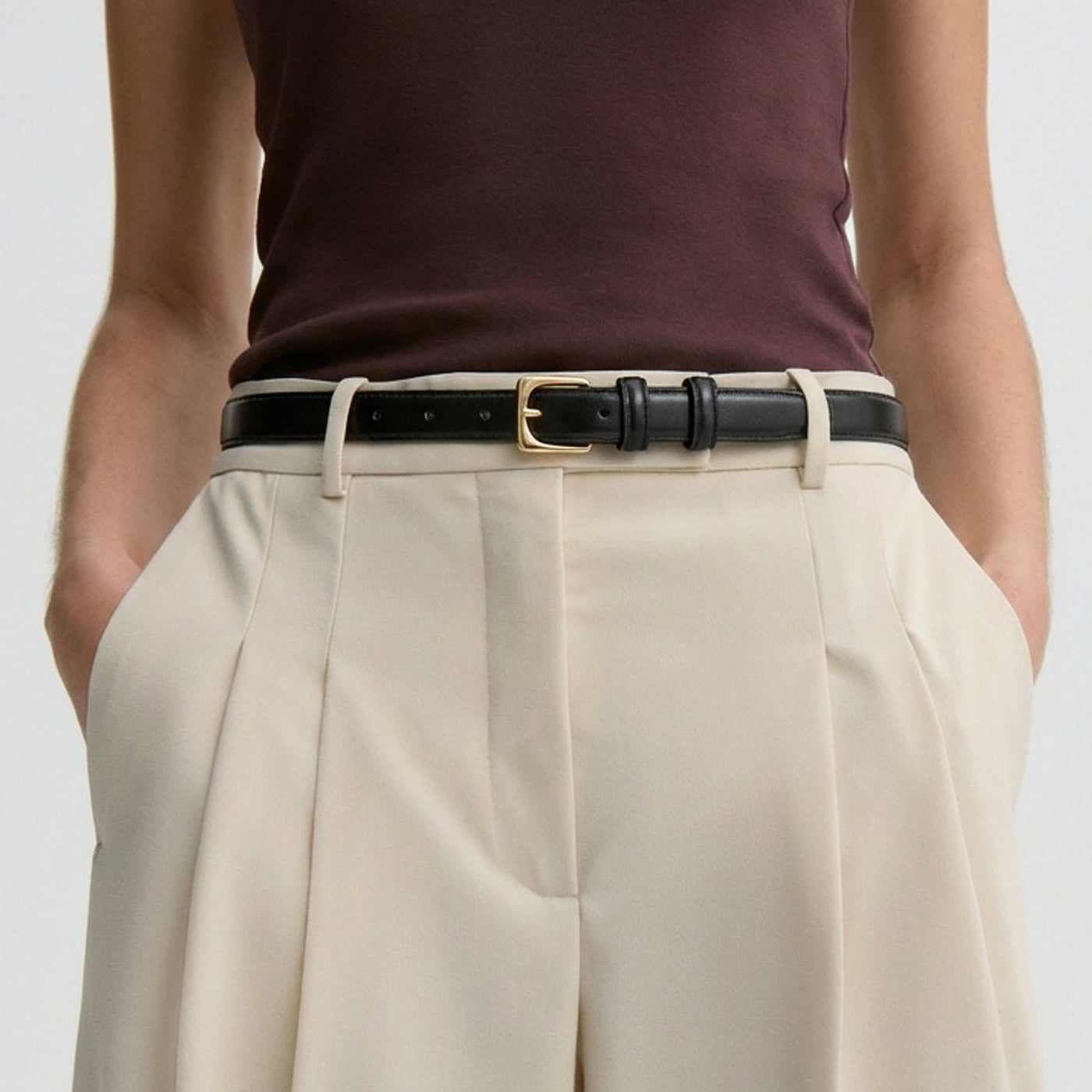
Once the position works, compare the dimensions and buckle outlines in JASGOOD skinny belts. A slim design offers a useful starting point, but confirm its actual weight and finish if the dress is particularly delicate.
Check where pressure will sit
A compact strap can still carry a prominent buckle. Look at the full assembly, including the keeper and tip. These parts may press differently from the flexible section around the waist.
For a thin dress with a side seam or zipper, avoid placing a bulky fitting directly over it. Sit down and see whether the belt tips or the fabric collects beneath one edge.
Match the surface to the garment
Inspect the back of the belt and the underside of decorative pieces. A smooth front photo does not show every surface that can touch the dress. Ask for another view when shopping online.
For a sheer, loosely woven or easily snagged garment, follow its own care guidance and avoid an accessory that catches during a gentle trial. Do not keep testing a rough edge against the visible front of the dress.
Compare two useful effects
A narrow belt close to the dress color can mark the waist quietly. Keep the fabric spread evenly so the result looks like a deliberate outline rather than a tight channel of gathers.
A contrasting belt makes that line more visible. Try the complete outfit with shoes and a bag before adding a second statement accessory; you may find that the waist detail is enough.
Judge the moving outfit
Walk, turn and sit for a moment. Watch whether the buckle pulls the front down, the hem becomes uneven or the belt needs constant repositioning. A still mirror view can hide those interactions.
If the dress works best with very little tension, choose a belt that can sit that way securely. If every option disrupts the drape, leave the waist unbelted and use another accessory to finish the look.