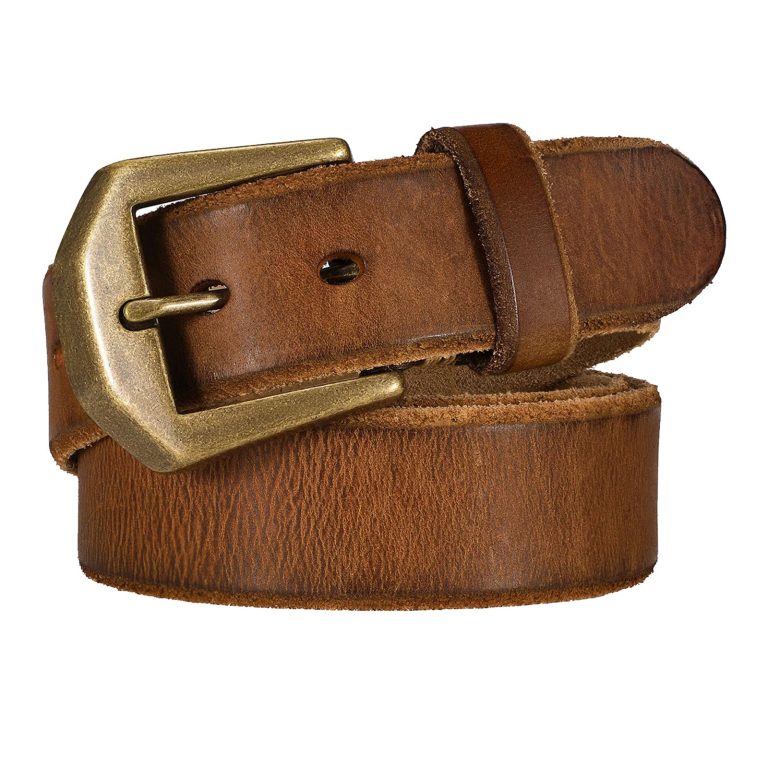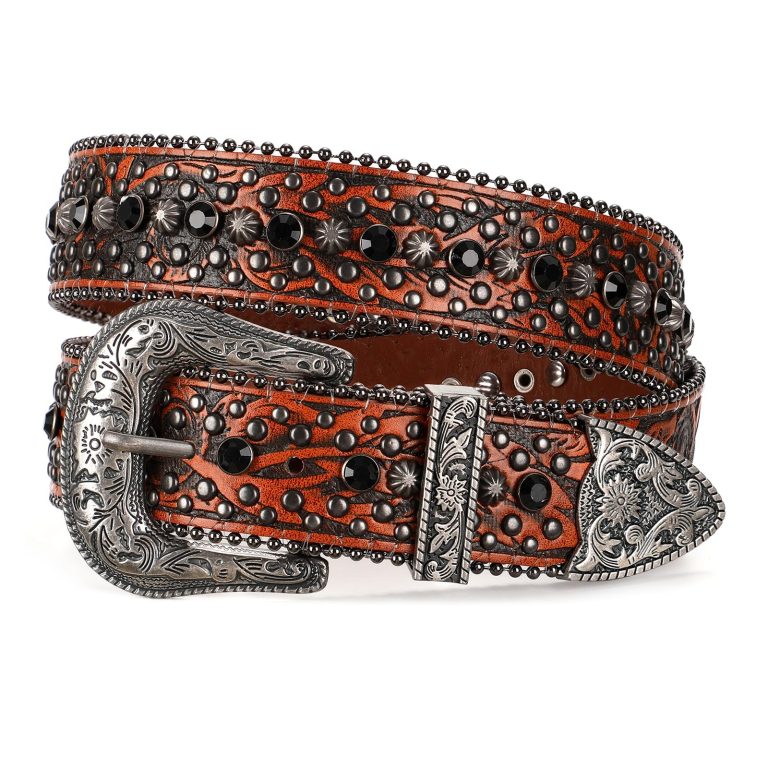
Choose a belt for pleated trousers after checking that the trousers fit comfortably without being pulled tight. The belt should work with the waistband. It should not need to flatten the pleats or draw a large amount of spare fabric toward the buckle.
In this guide
Let the trousers establish the waistline
Fasten the trouser closure and stand naturally. Notice how the pleats fall from the waistband and whether the fly, pockets and side seams are aligned before adding a belt.
If the waistband needs substantial gathering to stay up, consider the trouser fit first. A stronger or wider belt may hold the extra fabric, but it will not remove the resulting bunching.
For a restrained finish, compare strap widths and compact frames in JASGOOD pin-buckle belts. Use the smallest loop on your trousers as a practical constraint, then judge the visible buckle with the pleats.
Keep the fastening clear of the fabric
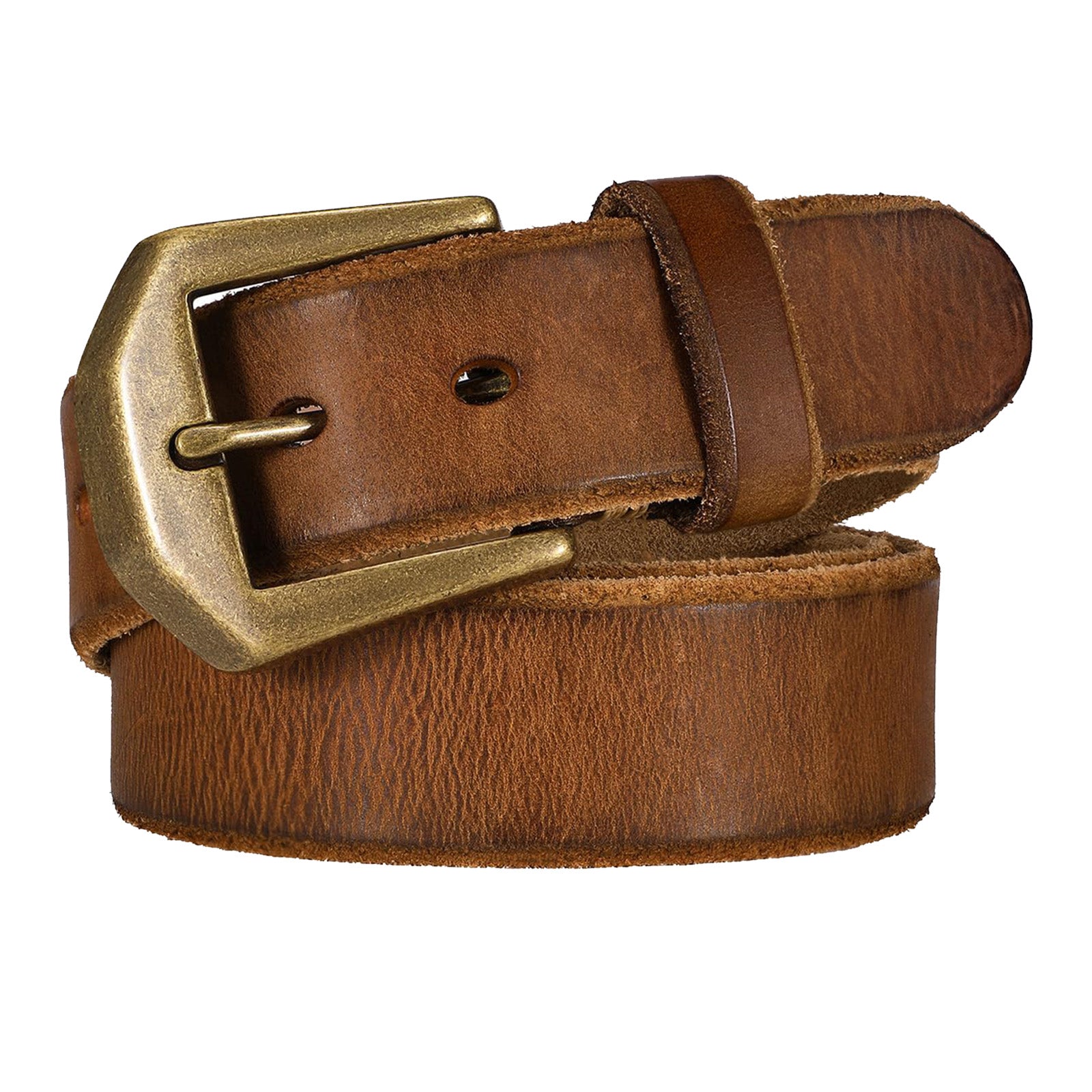
Look at the distance between the front loops and the trouser closure. A bulky buckle-and-keeper assembly can collect the shirt tuck or sit over a raised hook-and-bar area.
Try a frame that rests naturally when the strap is comfortably adjusted. Do not pull the trousers sideways to make the buckle appear centered; reset the garment and the tuck instead.
Compare the belt at ordinary tension
Fasten it gently and check the pleats again. Some opening during movement is expected, but a change that appears only when the belt is tightened deserves a closer look at tension and fabric distribution.
Sit down, then stand without immediately smoothing the trousers. This shows whether the belt or a bulky tuck is holding the front in an awkward position.
Choose the visual emphasis
With a patterned shirt and pleated trousers, a quiet belt can let the clothing remain the main detail. Matching the strap closely to the trousers is one way to soften the waistline.
With a plain shirt and simple shoes, a contrasting strap can make the waist a clearer feature. Keep the buckle scale deliberate rather than assuming tailoring requires the smallest possible hardware.
Check the intended support system
Some tailored trousers use side adjusters or braces rather than belt loops. If yours have no compatible loops, do not add a belt solely because another pair of trousers uses one.
For a buying decision, compare two belts with the same tucked shirt and shoes. Keep the tension similar, photograph the front and side, and choose the version that allows the trousers to sit naturally.