If a belt bag slides around your waist, first identify what moves: the pouch along the strap, the whole belt around your trousers, or an adjuster letting out length. Those are different problems, and tightening everything may solve none of them.
In this guide
Observe one short movement
Put in your usual contents and position the bag as intended. Stand, walk a few steps and sit once. Notice where the pouch, buckle and any adjustable slider finish relative to their starting positions.
If the pouch moves while the buckle stays put, inspect the pouch attachment. If both rotate together, look at the belt’s route and fit. If the strap visibly lengthens, check the adjuster’s threading instructions.
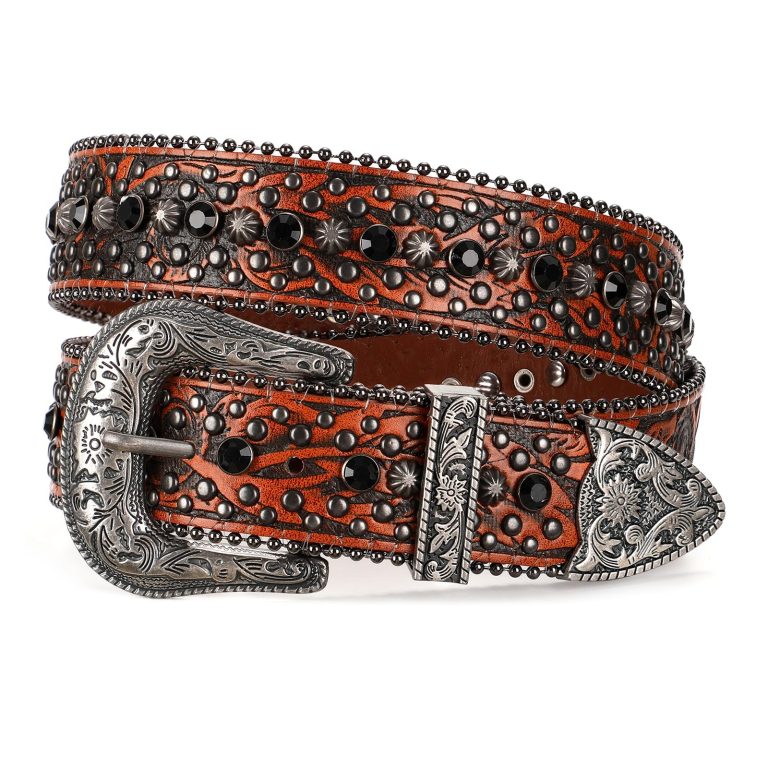
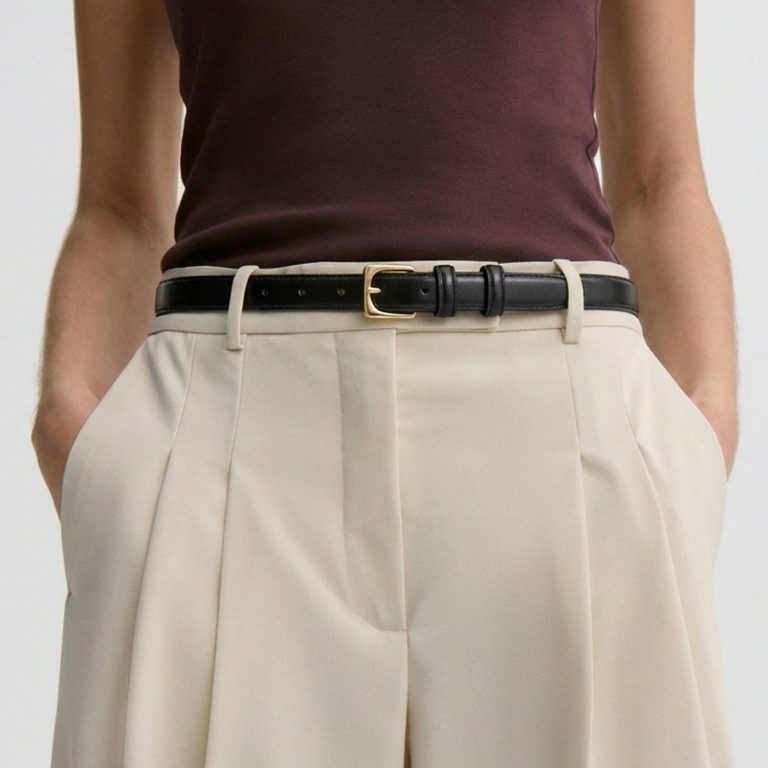
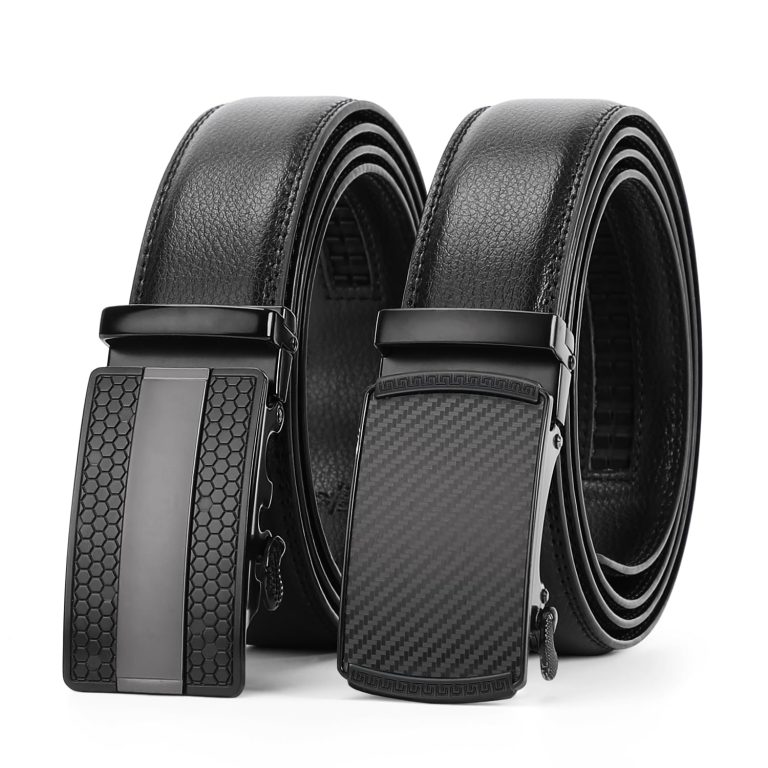
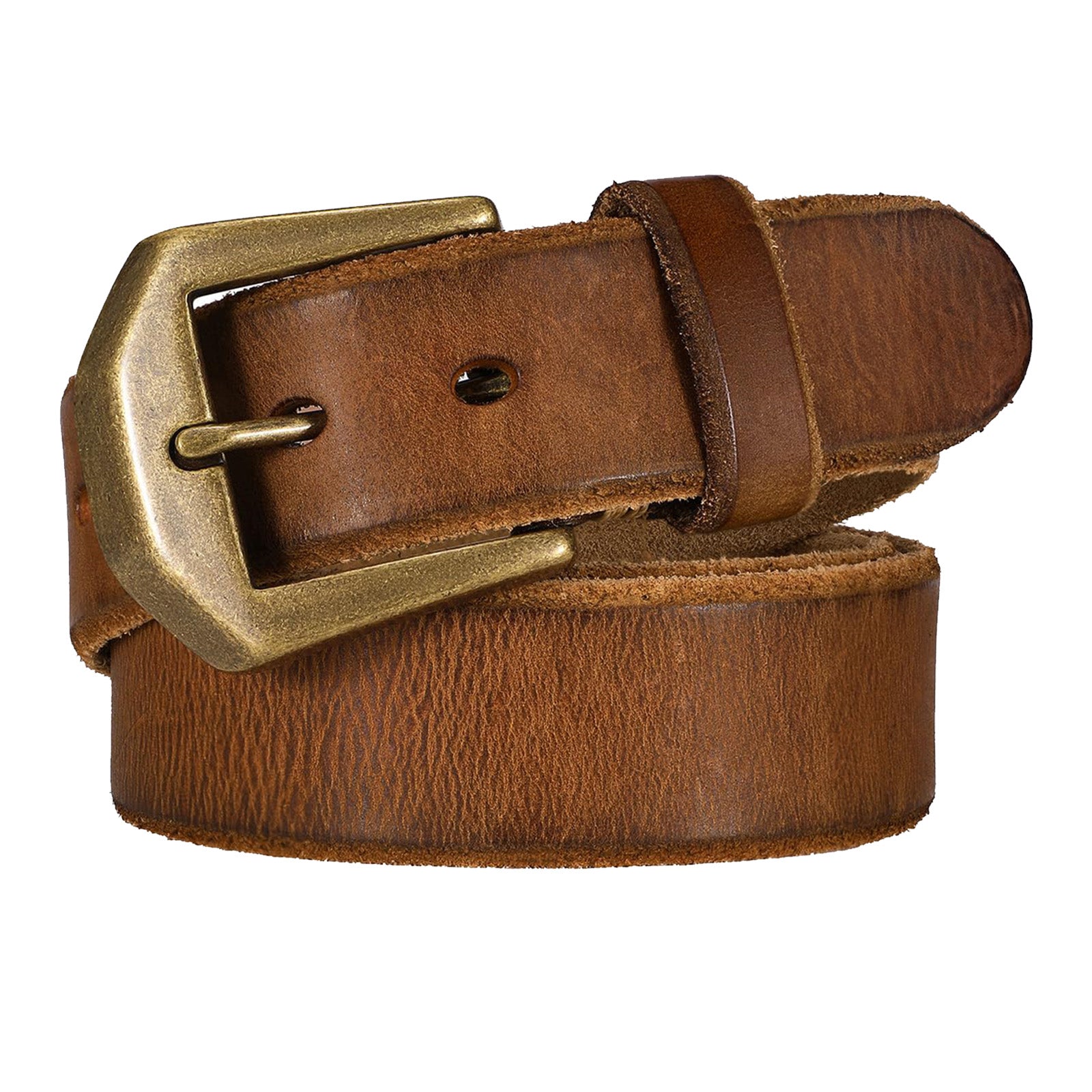
When replacing a separate strap, compare the actual dimensions in JASGOOD pin-buckle belts with the bag maker’s requirements. A different color or larger buckle will not by itself stop a pouch from sliding.
Correct the intended attachment
Check that every supplied loop or tab is being used as directed and that an opening attachment is fully closed. A missed attachment can allow the bag to tilt even when the belt fits comfortably.
For a fixed tunnel, confirm the strap is an appropriate size. A very narrow strap may leave room for movement, but a wider replacement must still pass through without forcing or distorting the tunnel.
Reconsider what is inside
Place contents according to the bag’s design and limits. A phone pressed against one end can create a different balance from the same items spread through the intended compartments.
Remove unnecessary contents and repeat the movement check. If a normal load still pulls the belt out of position, the combination may not suit your use. Do not use more waist pressure to compensate indefinitely.
Use garment loops only as intended
A pouch may fit between two trouser loops, but those loops are not universal locks. Check whether its edges push against them or pull the waistband when you sit.
A bag worn over a dress has no trouser-loop restraint. In that case, use the bag’s intended wearing method and choose a comfortable position rather than expecting the fabric to anchor it.
Know when to change the combination
After each adjustment, repeat the same walk-and-sit test. Change one thing at a time so you can tell whether the threading, load or position made the difference.
If the attachment is damaged or the bag keeps interfering with the buckle, stop using that arrangement. A bag with its own suitable strap may be a better solution than adding clips, glue or an improvised stopper to a clothing belt.