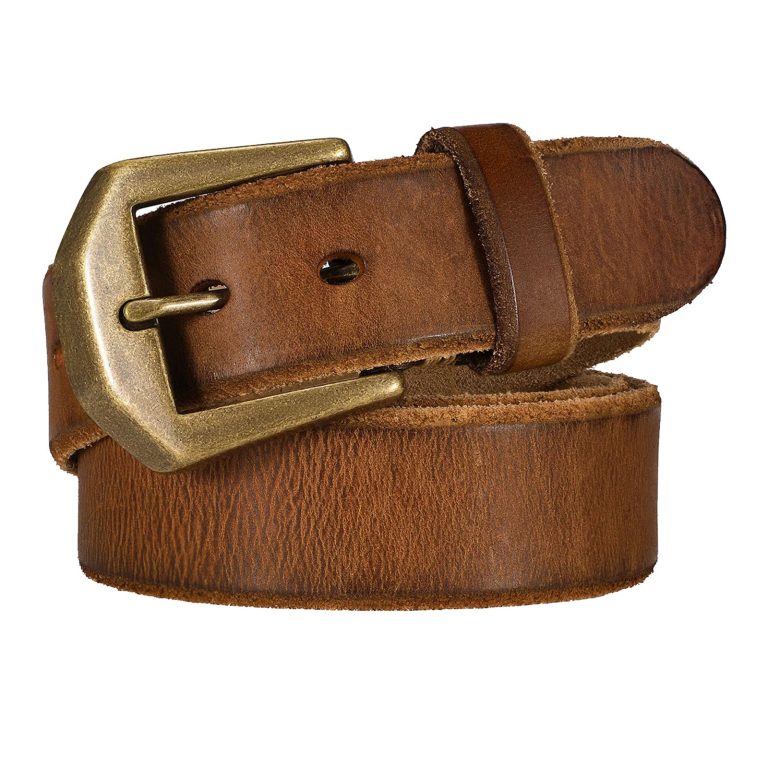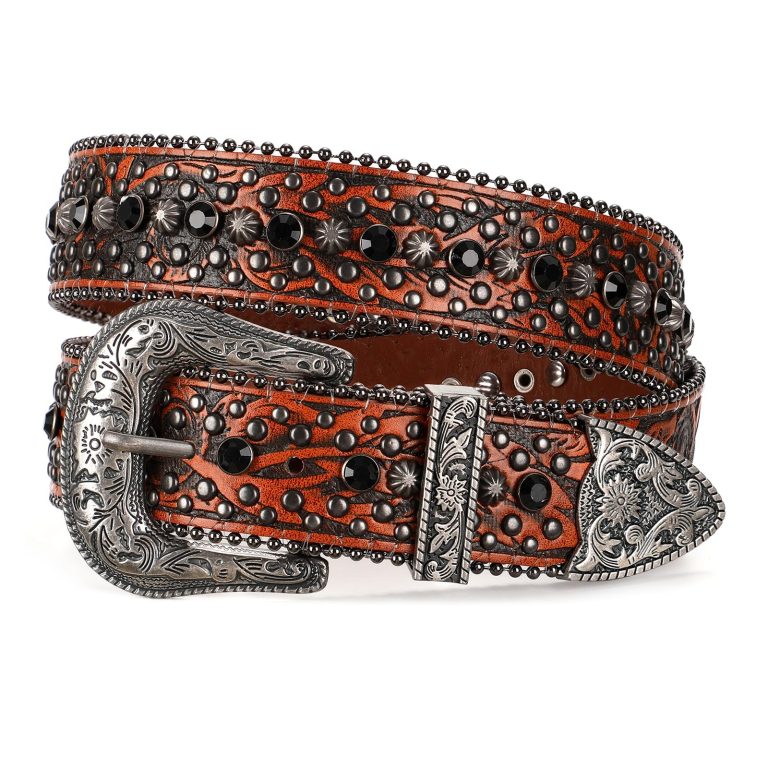
Compare men’s and women’s belts by the actual dimensions and construction you need. A category name can help organize a shop, but it does not establish that a particular length, width or buckle will work with your clothes.
In this guide
Start with the place you will wear it
Measure over the intended outfit at the waist or hip position where the belt will sit. Compare that measurement with the selected product’s usable fit range and the maker’s measurement method.
Do not transfer a trouser size or another belt’s printed label directly between collections. One listing may describe a body range while another gives a strap length measured from a different point.
You can compare JASGOOD men’s pin-buckle belts with women’s belts using the same checklist: usable range, strap dimensions, fastening and the effect you want.
Let the garment set the clearance
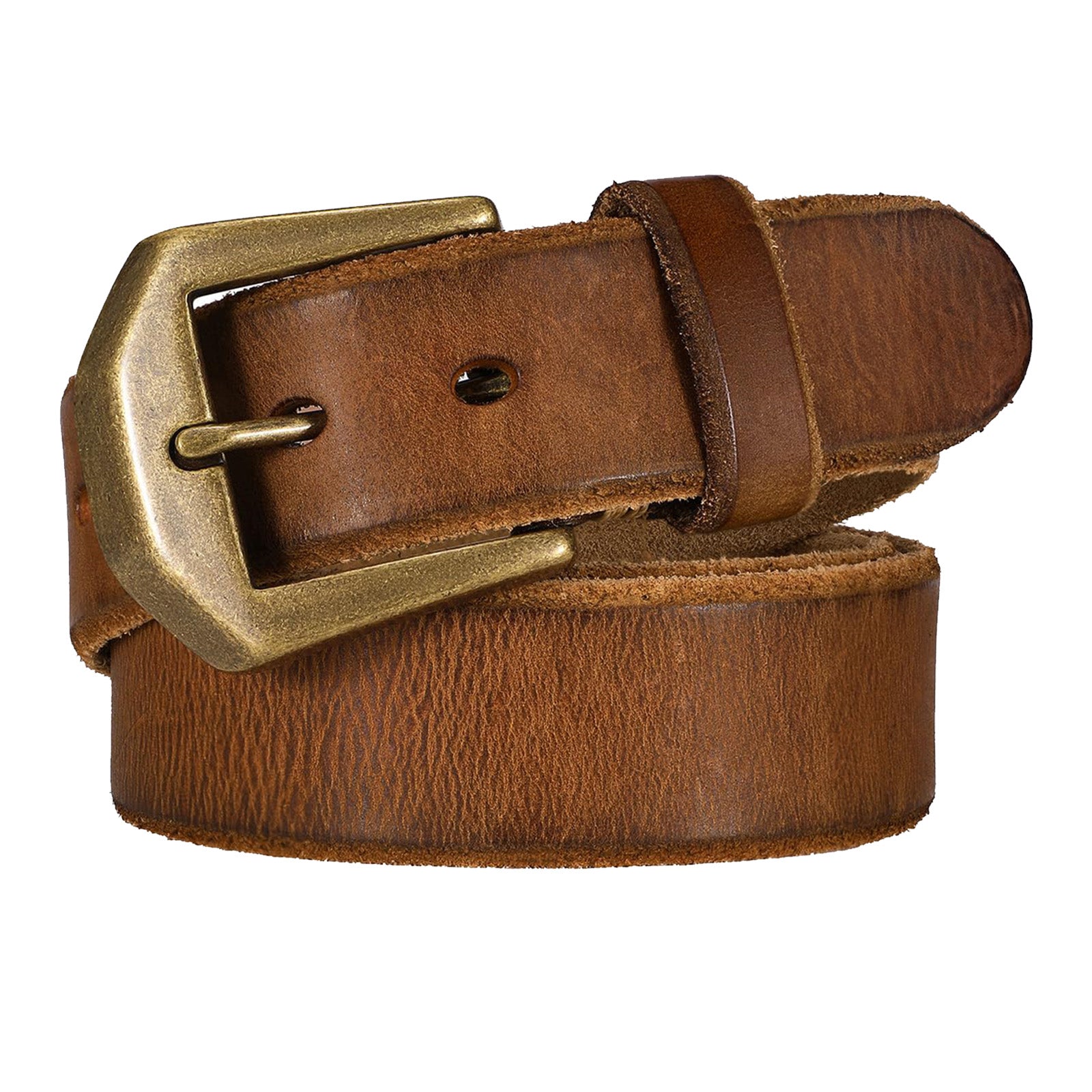
Measure the smallest belt loop, not just the most accessible front one. Check whether the finished tip and thicker buckle attachment can follow the intended route.
For a dress worn without loops, consider how the belt rests on the fabric and whether its width suits the amount of waist definition you want. This is an outfit decision, not a rule attached to a shop label.
Compare fastening and adjustment
A pin buckle, ratchet track, ring closure and decorative clasp have different operating routines. Check how the exact model fastens and how much adjustment it offers around your intended wearing measurement.
Try the buckle with the outfit if possible. A frame that looks proportionate in a product photograph may feel bulky beside your trouser closure or beneath an untucked top.
Choose the visible detail deliberately
Use color, texture and hardware to create the finish you want. A quiet strap can connect a shirt and trousers; a decorated buckle can become the outfit’s main accessory.
There is no need to discard a suitable design because of its navigation category. Equally, a product described as unisex still needs a real size and construction check.
Make a short comparison table for yourself
Write down the usable range, width, buckle size and care requirements for two candidates. Add one sentence about the outfit each would serve. This makes a meaningful difference clearer than comparing category names.
For example, choose the belt that clears your jeans’ loops and fastens comfortably near a useful adjustment point, then select the finish you prefer. If neither fits those conditions, keep looking across the relevant collections.