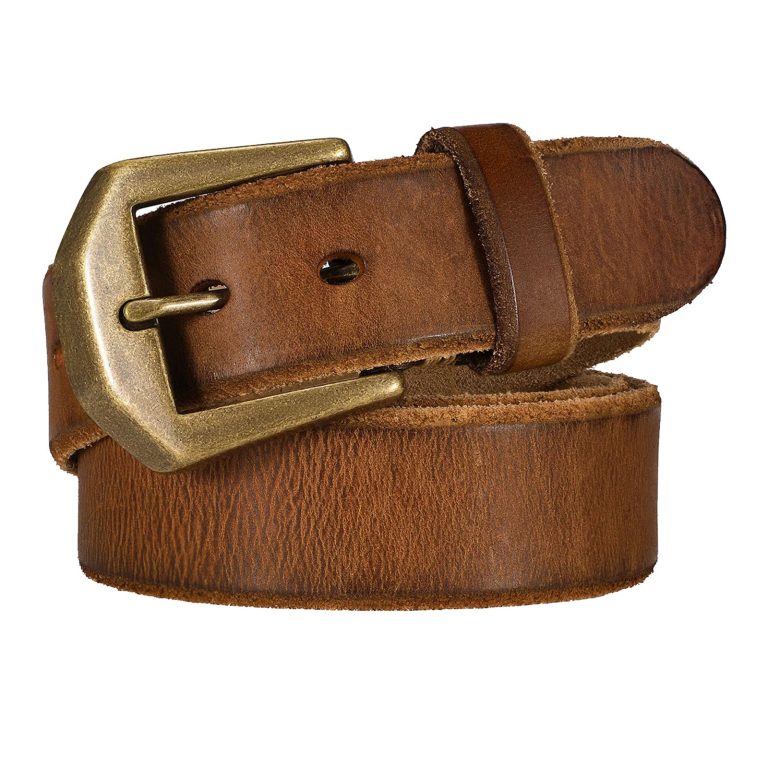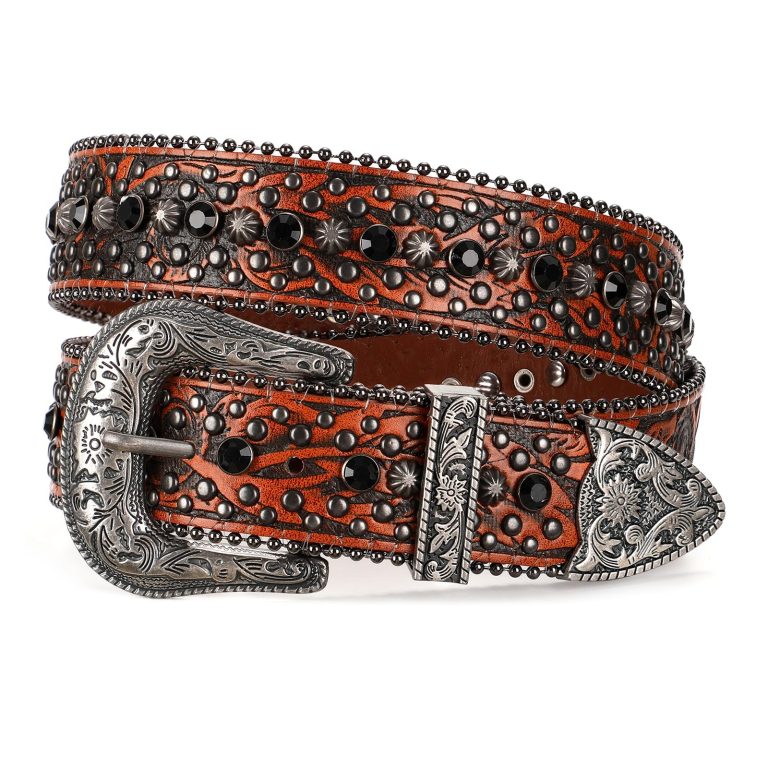
When buying a secondhand belt, prioritize its present measurements and condition over the original size label. The strap may have been shortened, extra holes may have been added, or a buckle may have been replaced since the item was sold new.
In this guide
Ask for photographs that show the working parts
Request the complete front and back, the buckle attachment, the tip and the holes or track used for fastening. A styled photograph can hide the areas that determine whether the belt is usable.
Ask the seller to describe any repairs, alterations or replaced parts. If a fastening is removable, a clear view of its original attachment is more informative than a statement that the buckle “fits.”
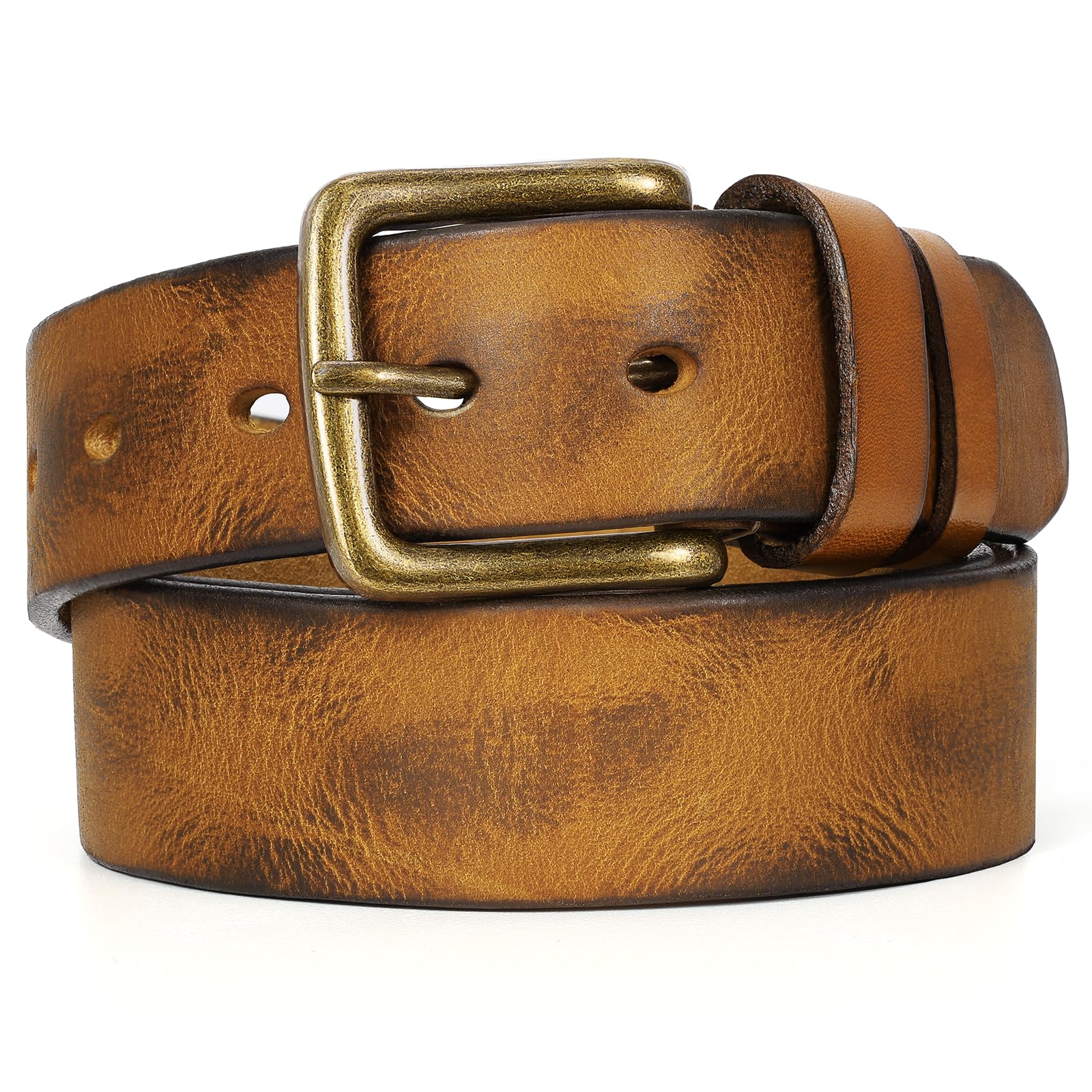
For a specification reference, compare how a new listing such as JASGOOD Handmade Full Grain Leather Belts for Men describes its construction. This does not establish the identity, authenticity or condition of a used item.
Measure the usable fit, not just the full length
Ask where the measurement starts and ends. For a pin belt, you need a clearly described fastening range, not only the distance from buckle edge to tip.
Compare that range with your intended wearing measurement. Check whether added holes sit unusually close to original ones and whether the tail will still reach a keeper at your setting.
Inspect condition at stress and contact points
Look for split holes, separating layers, broken stitching, bent hardware and a loose buckle attachment. Examine both edges and the underside that touches clothing.
Surface marks and patina can be acceptable to a buyer, but they do not explain the condition of hidden layers. Ask about an unclear area rather than assuming a darker photograph means ordinary wear.
Check that the mechanism can be demonstrated
Request a short description or demonstration of fastening and release for an unfamiliar mechanism. A ratchet, clasp or removable fitting needs its matching parts, not simply a strap of similar width.
If the seller cannot show the mechanism working or identify a substantial modification, include that uncertainty in your decision. A low price does not make a repair simple or a replacement part available.
Decide what you are willing to accept
Read the actual sale and return conditions. Distinguish a wearable purchase from a repair project, and obtain a repair assessment before relying on one to make the item usable.
For example, a cosmetic scuff on a sound strap is a different purchase from a split working hole beside newly punched openings. Buy on the evidence available for that exact belt, with no assumption that its original label guarantees its current fit.