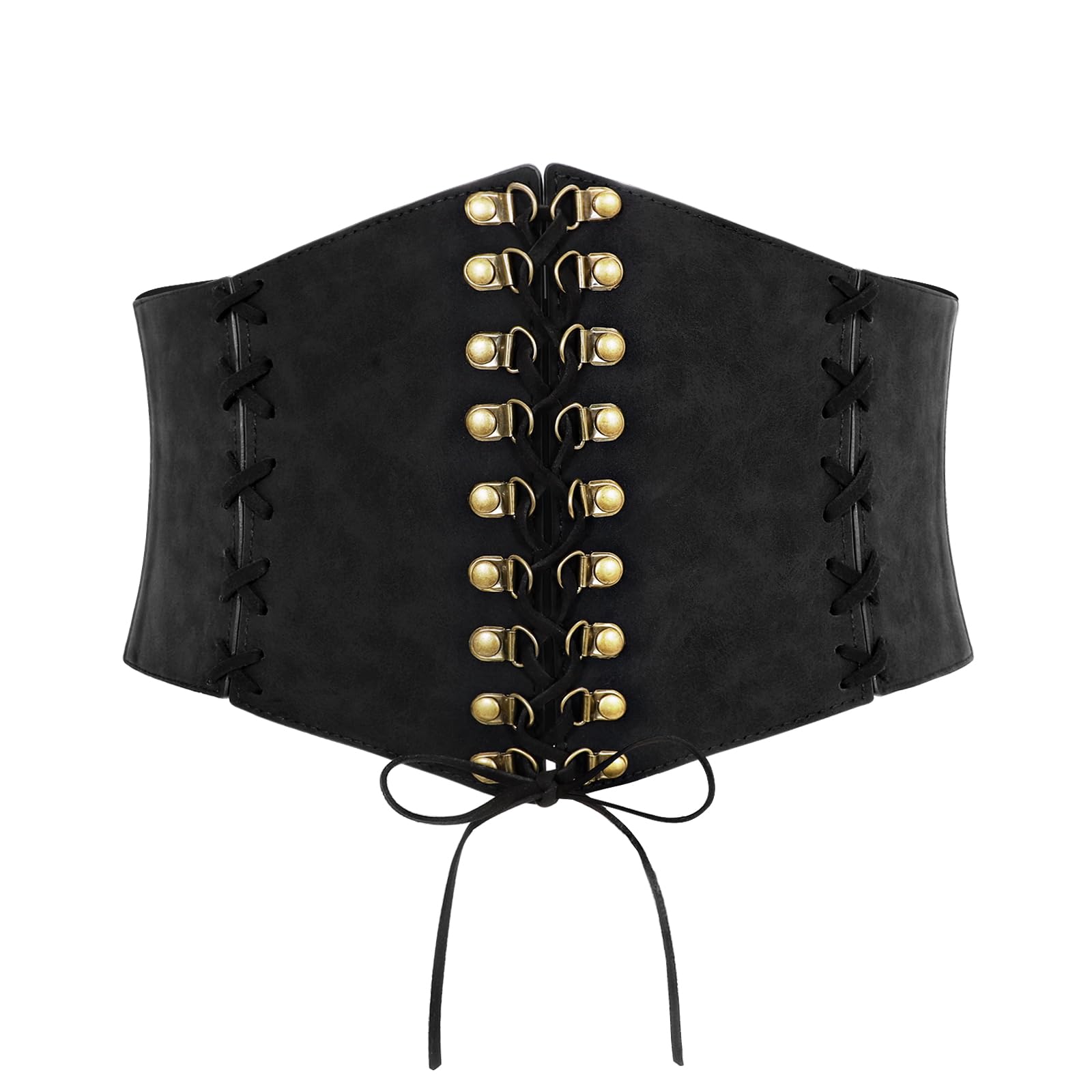
The JASGOOD corset belt edit looks at structure as a styling choice. A broader, more defined waist detail can create a different relationship with a loose shirt, a simple dress or a flowing sleeve.
The interest is in that contrast, not in a promise to change your body. An accessory can suggest a shape within an outfit without becoming a waist-training or medical claim.
In this story
The JASGOOD corset belt edit: identify the actual item
The current category contains corset-style belts as well as a bustier-style top. A shared collection page does not make those products equivalent or suitable for the same use.
Browse the JASGOOD corset belt collection for the design direction, then open the item itself. Confirm whether you are viewing a belt, a top or another garment before planning an outfit around it.
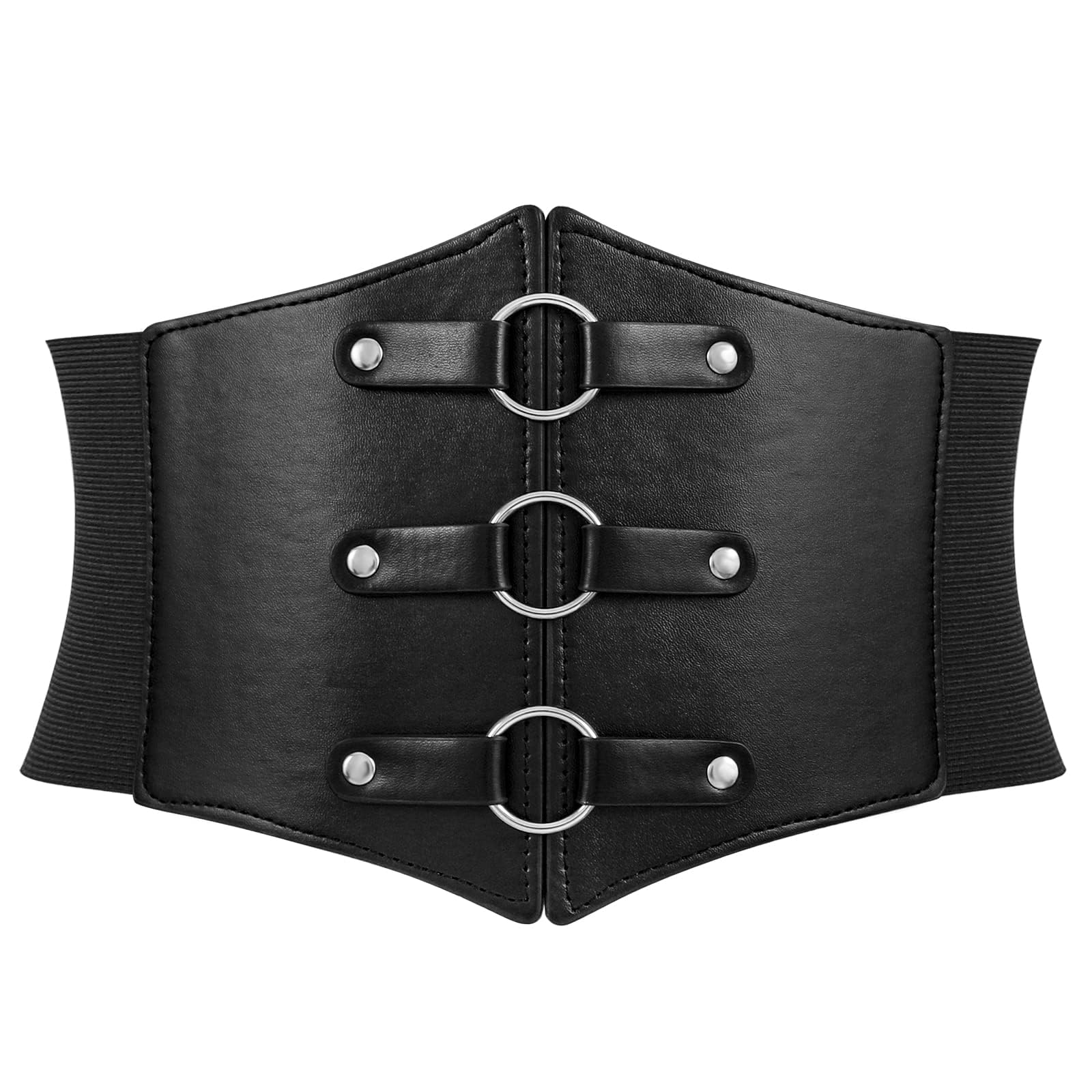
Among the belt options, lace-up and waspie references offer different front details. Check the actual fastening and measurements; a decorative lace-up appearance does not explain every adjustment mechanism.
Let the garment provide the other half
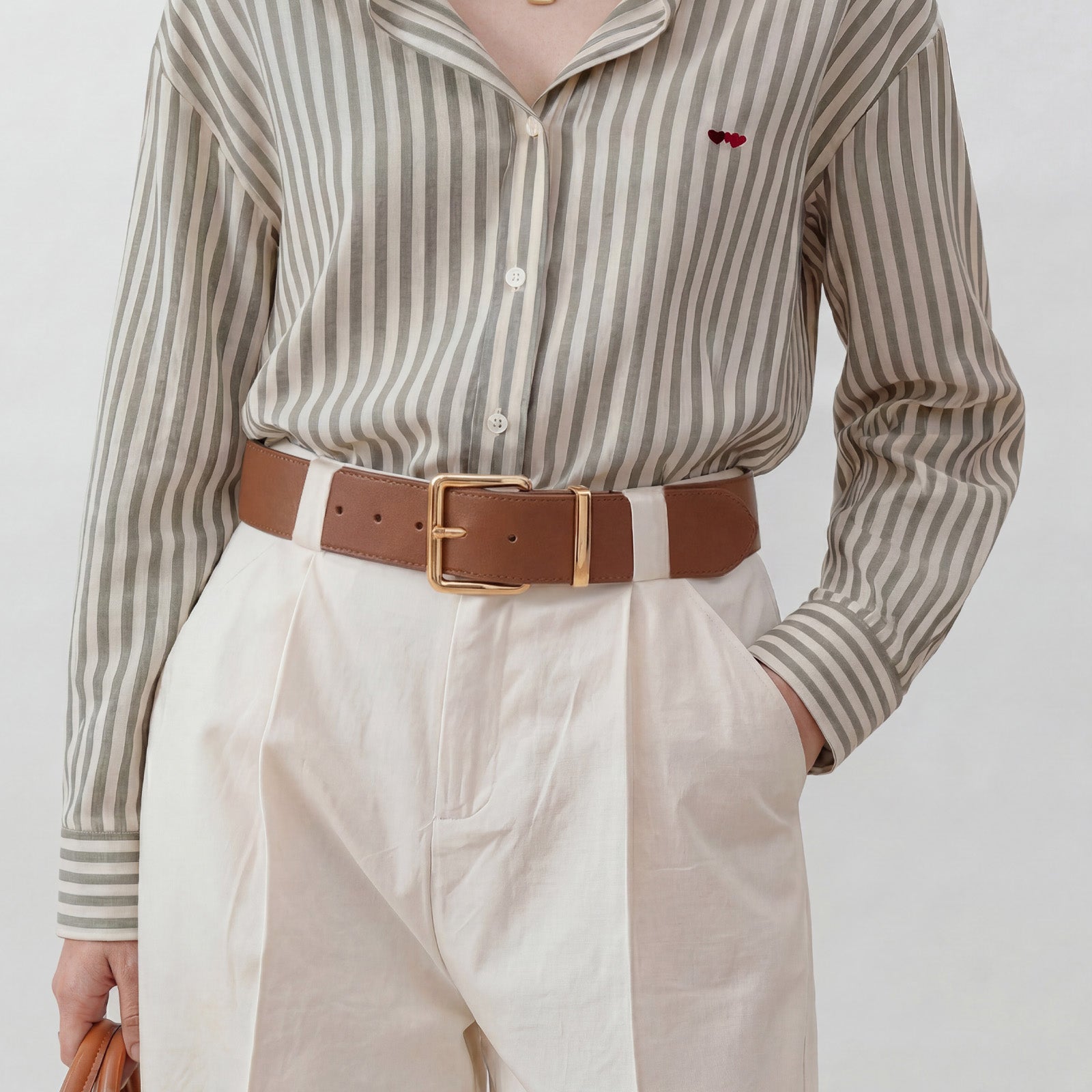
A strong waist detail can be especially easy to read when the surrounding clothing is visually simple. Imagine a plain shirt with a relaxed sleeve, rather than adding several competing focal points at once.
For another interpretation, contrast a structured-looking front with a softer fabric. Watch how that fabric gathers around the belt instead of assuming a photographed silhouette will repeat exactly.
The existing styling guides can help you explore outfit combinations. Treat the collection edit as a mood and direction, not a prescription.
Keep visual structure separate from tightness
A defined appearance should not depend on discomfort. The details that create a stronger line may be the width, colour or front construction rather than additional tension.
Try the accessory while sitting and moving as well as standing. If it restricts normal movement, digs in or pulls the garment sharply, reconsider the size, placement or design.
Use the sizing section to begin with your intended wearing position, then compare it with the individual product’s usable range.
Compare the front before planning the silhouette
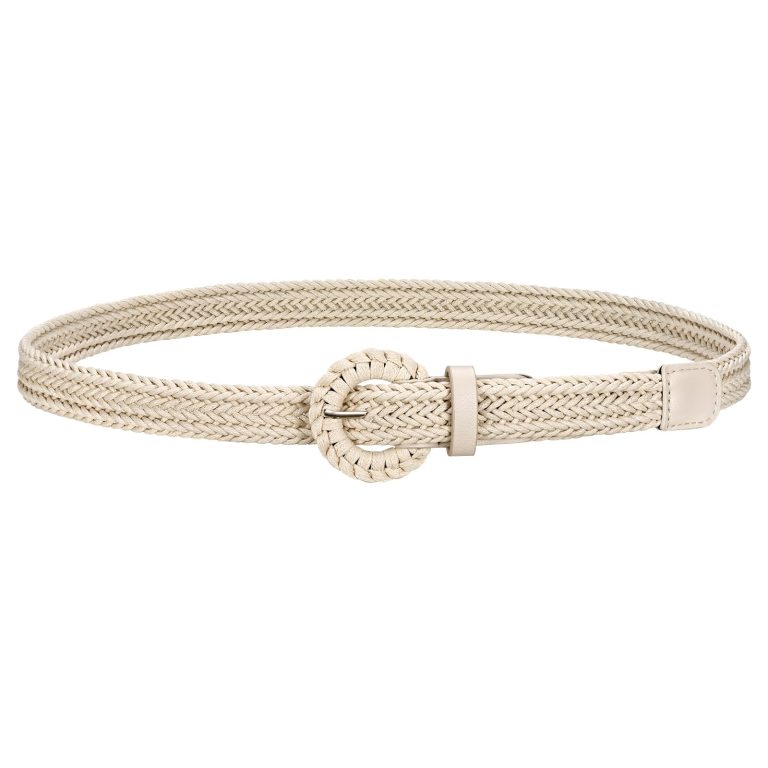
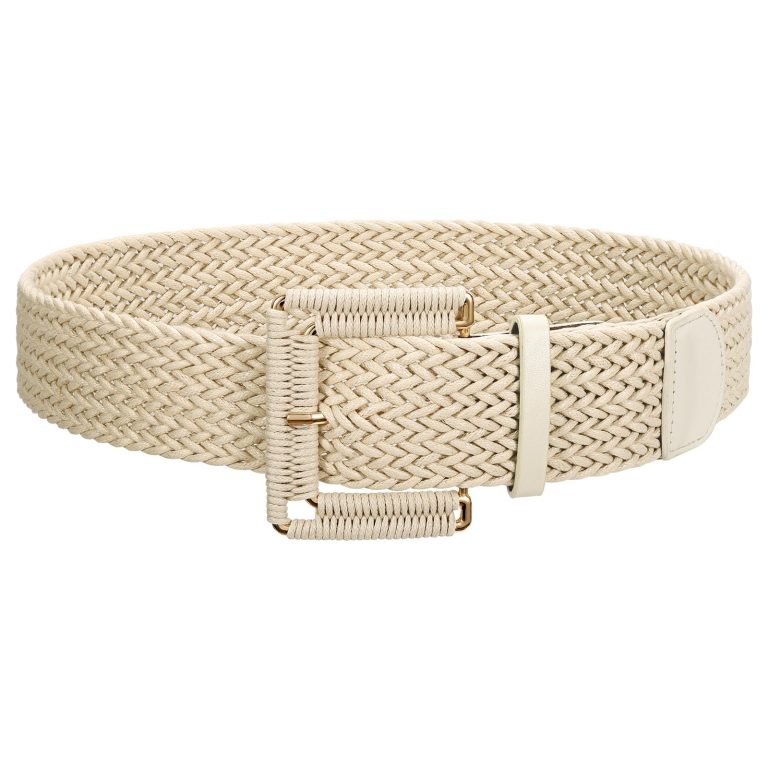
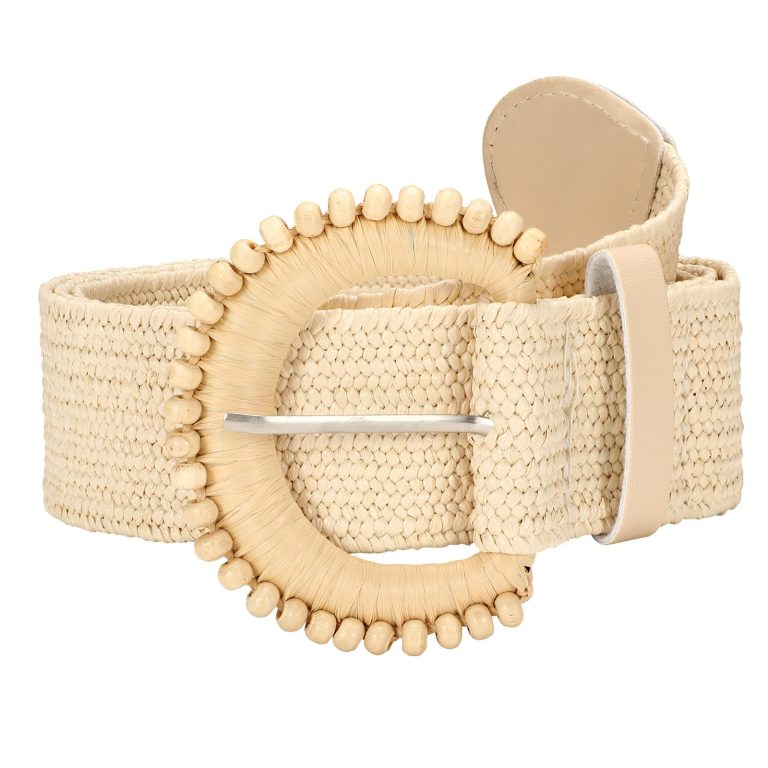
Look at the two belt photographs as separate designs. One has a lace-up front; another uses three visible ring-and-tab details. Those features change the visual centre without establishing identical closures or adjustment ranges.
Begin with a loose shirt and keep its sleeves and neckline simple enough to read the waist detail. Compare the clothing before and after adding the accessory, noticing the fabric above and below rather than only the front panel.
If the shirt gathers unevenly, release and redistribute the fabric before adjusting the belt. Increasing tension is not a reliable way to correct an outfit that is already pulling or bunching.
Try a separate softer garment only after you understand the first combination. This makes it easier to distinguish the effect of the belt's shape from the different behaviour of a new fabric.
Check the chosen item's own measurements and instructions, including how its fastening is intended to work. A decorative resemblance in a collection image cannot confirm that another design adjusts in the same way.
Stop the comparison if normal sitting, breathing or movement becomes uncomfortable. The editorial aim is an intentional line in clothing, not a test of how tightly an accessory can be worn.
Choose the reference you want to carry forward
A corset-inspired detail can be part of everyday styling or a more theatrical outfit. The surrounding clothes determine how strongly that reference comes through.
You do not need to reproduce an entire costume or a product photograph to take an idea from the collection. Select the element that interests you: a line, a fastening detail or the contrast with a softer garment.
Let the clothes and the accessory remain in conversation. The outcome should feel like your interpretation, not an obligation to fit a particular silhouette.