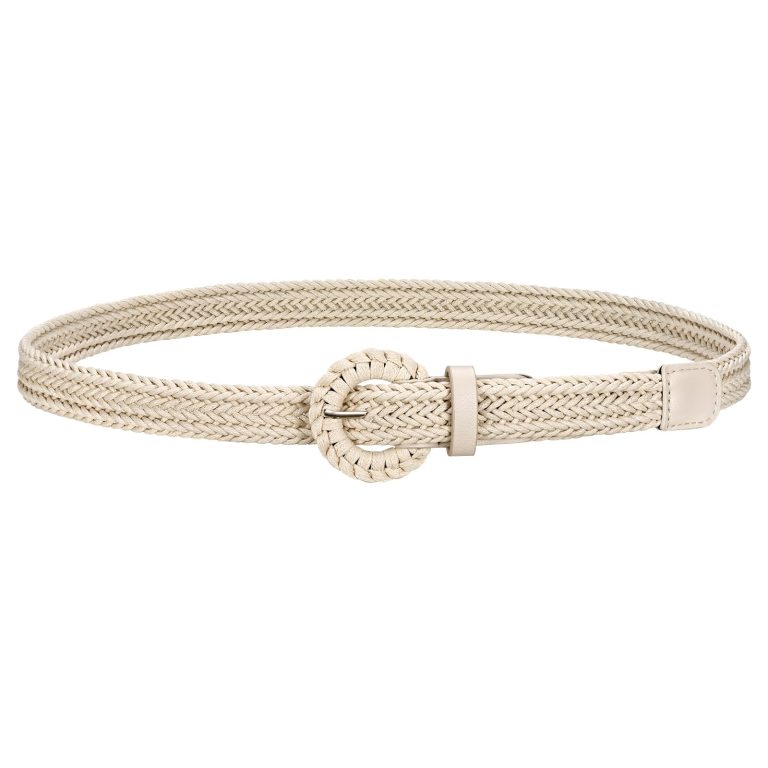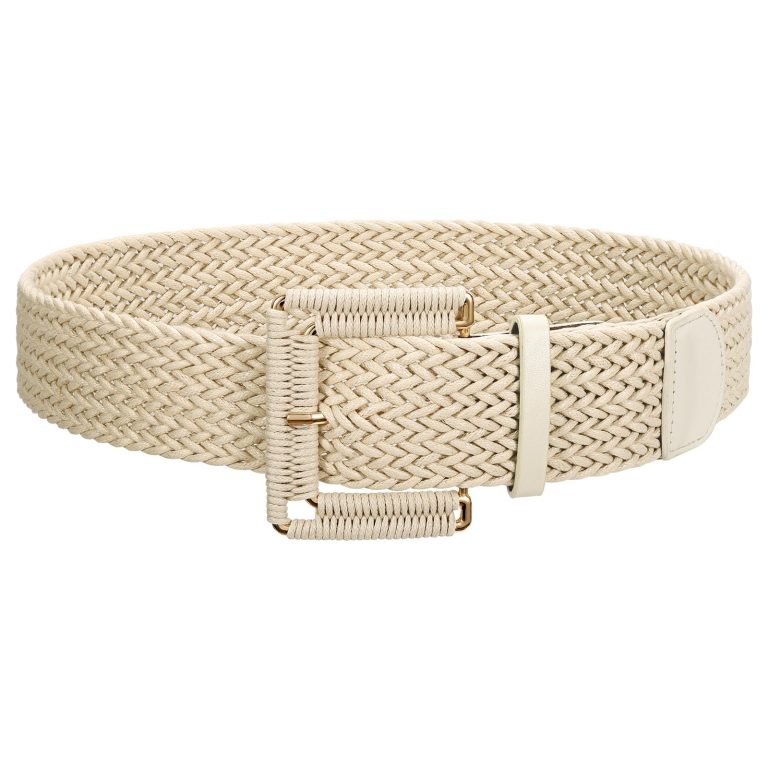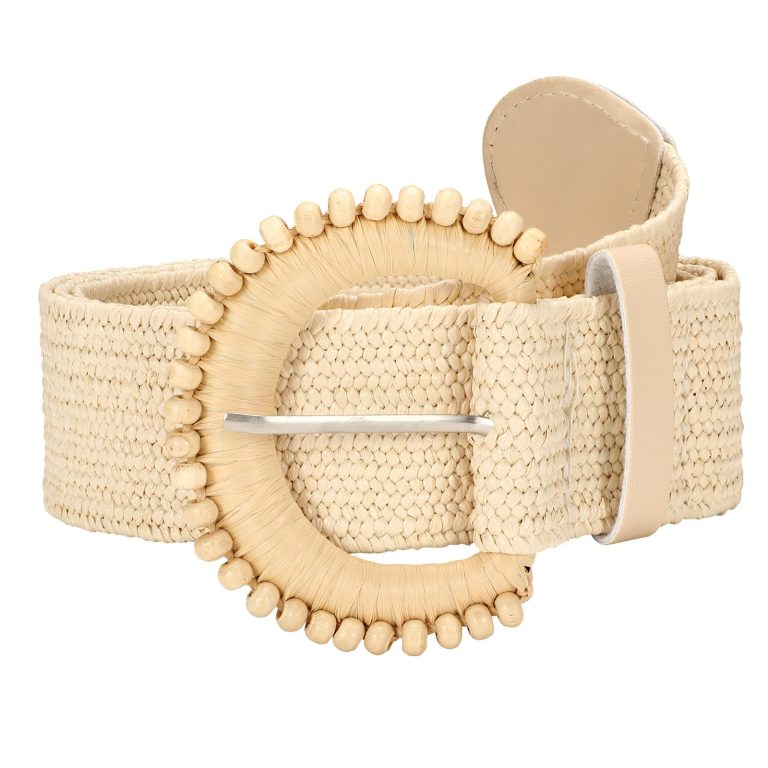
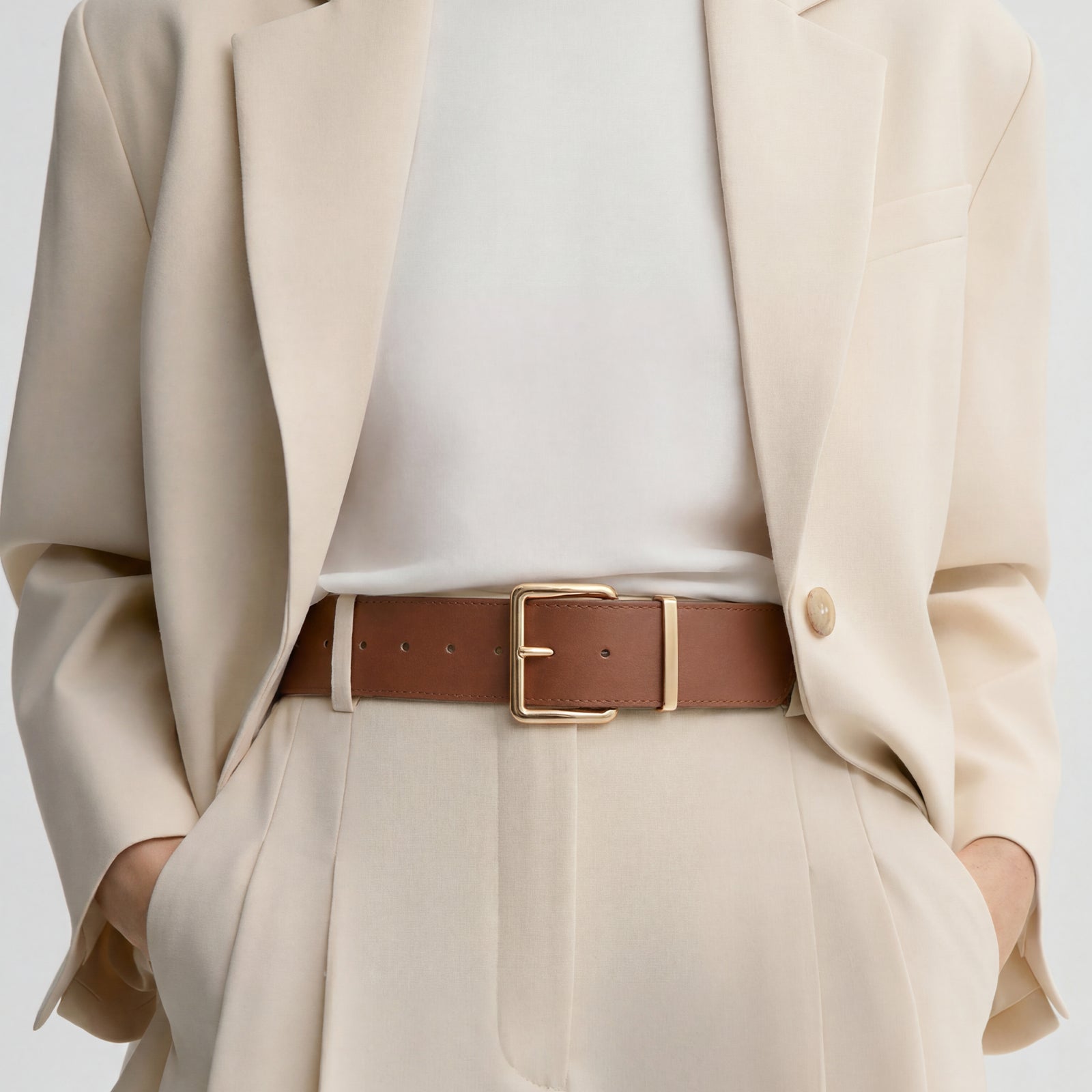
The JASGOOD wide belt edit starts with a line across an outfit. It can make the waist a deliberate focal point, connect separates or give a loose silhouette a different rhythm.
The interesting distinction is not simply wide versus narrow. A broad strap, an open buckle and a more solid front detail can each change what that line looks like.
In this story
The JASGOOD wide belt edit: read the whole line
The current range brings together different references, including interlocking buckles, square front details, wrap styles and a glossy patent-look direction. They are not interchangeable simply because they share a category.
Browse the JASGOOD wide belt collection with the whole outfit in view. Ask whether you want the band, the buckle or the contrast between the two to carry the look.
Then open the individual product page. Collection photography can suggest a mood, but the actual width, materials and fastening are product-specific details.
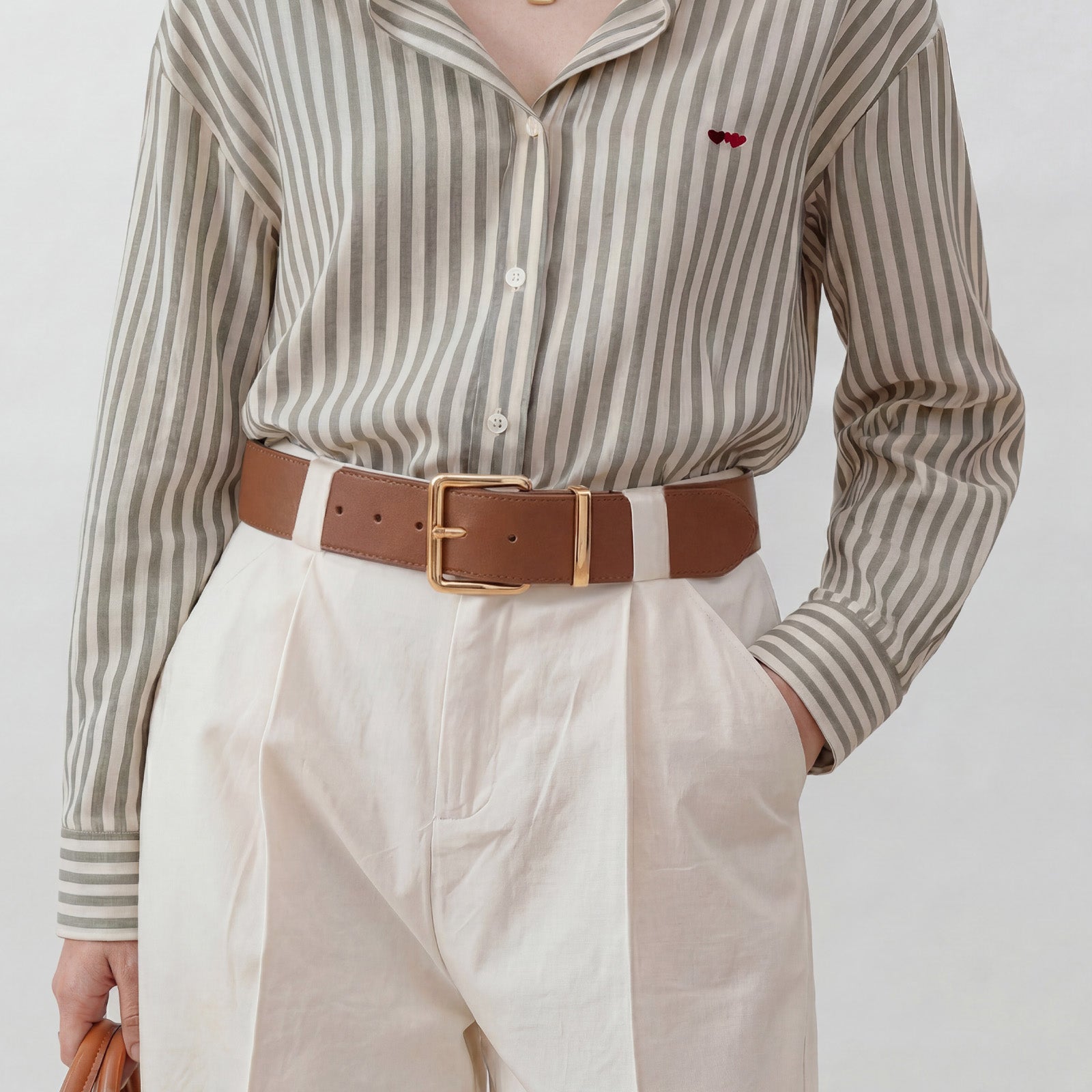
Read the front and the sides together
A strong buckle can appear compact when surrounded by a substantial band. A simpler front can give more attention to the shape of the waist detail itself.
With a longer shirt, imagine the belt as a boundary between two areas of fabric. With a dress, notice whether it creates a new division or follows a seam already present.
Neither effect needs to be dramatic. A belt close to the garment’s colour can make structure more noticeable without introducing a strong colour break.
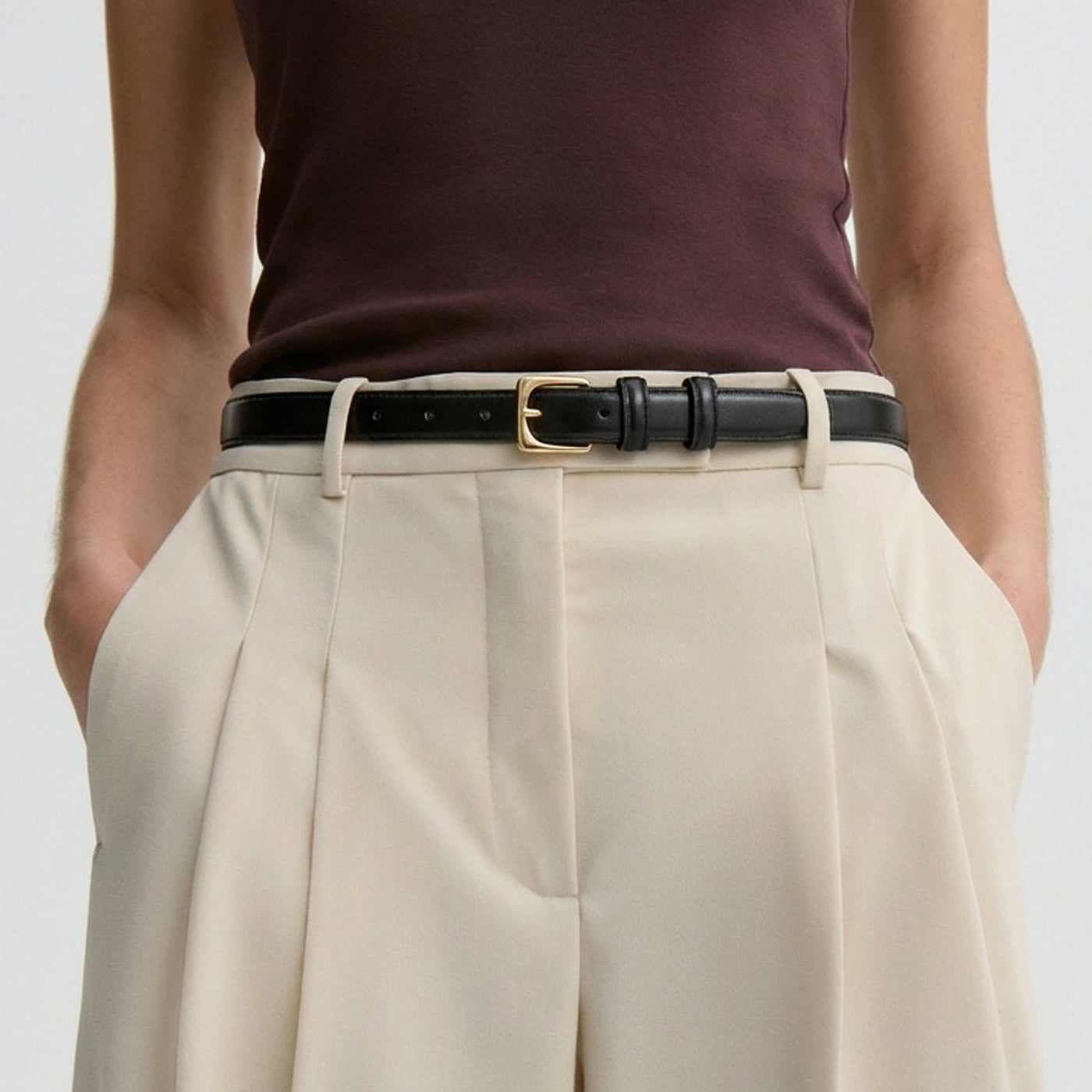
Leave softness somewhere in the picture
A defined accessory does not require the rest of the outfit to become rigid. A softly draped sleeve, a relaxed trouser or an open neckline can provide a different kind of line alongside it.
That contrast is a styling possibility, not a formula for a particular body shape. Compare the outfit with and without the belt, and keep the version that feels more intentional to you.
If the garment pulls into sharp folds, reconsider the placement or the amount of adjustment. The visual idea should work with the clothing rather than depend on overtightening it.
Three comparisons before settling on a look
Compare the front view with a side view. A band that appears balanced directly in front of a mirror may gather a loose shirt differently at the sides. Smooth the garment gently instead of using extra tension to hide the folds.
Next compare a striped garment with a plain one. Across stripes, the belt can interrupt an existing pattern; against a plain dress, its own outline may become the main division. The surrounding fabric changes the job of the same idea.
Then compare width and colour separately. If a broad brown band feels too emphatic, try a closer colour relationship before deciding that all wide designs are unsuitable. Alternatively, keep the contrast and explore a narrower band.
The photographs illustrate separate designs, not a promise that one item offers every effect. A slim black belt is included as a visual comparison so the broader waist detail has a clear reference.
Check the finished outfit while sitting, reaching and walking. If the shirt repeatedly rides up or the band presses into a seam, reconsider its placement or choose a different relationship with the clothing.
Keep the comparison you actually prefer, even if the unbelted version wins. The purpose of a collection edit is to make a choice more deliberate, not to insist that every outfit needs another accessory.
Take the edit back to your wardrobe
Choose one real outfit as your reference before browsing. It is easier to judge a broad waist detail against a dress you wear than against an imagined wardrobe in which every accessory has a role.
The Journal’s styling guides offer combinations to explore; the sizing guides help turn a preferred position into a measurement.
A deliberate line need not become a statement every day. The most useful wide belt is the one whose role you understand: what it brings forward, and what it allows to stay quiet.