JASGOOD product details are the bridge between an appealing image and a considered choice. A collection can introduce a visual direction, but the individual item is where your practical questions need answers.
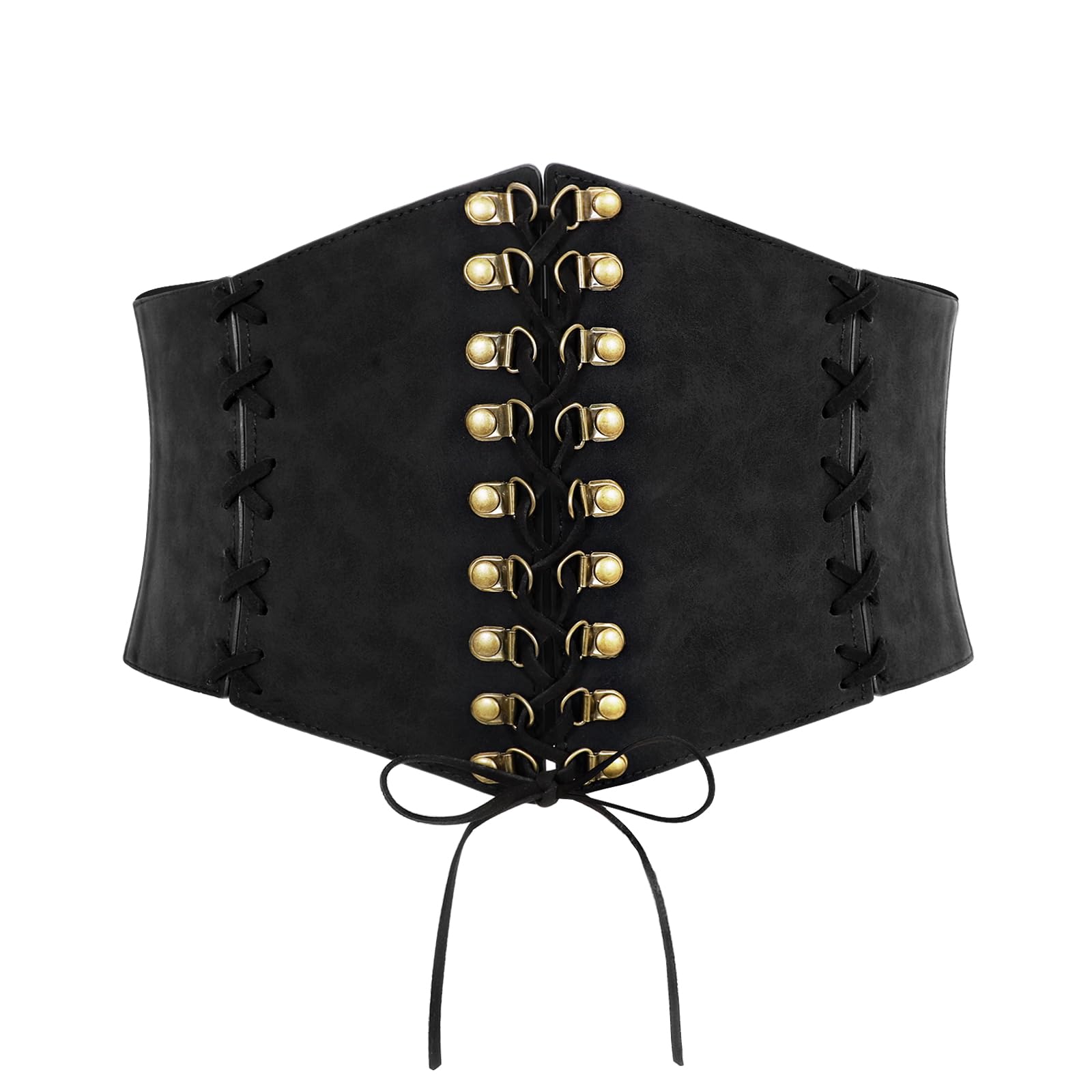
Start by naming what attracted you: perhaps a front shape, a broad waist detail or a quieter fastening. Keeping that idea separate from the specification makes both easier to understand.
In this story
Read JASGOOD product details beyond the collection image
A category groups products for browsing; it does not establish one construction or fit across the whole range. Similar-looking accessories may use different closures or adjustment systems.
For example, use the JASGOOD wide belt collection to explore a defined waist detail. Then move to the selected item instead of extending the category’s name into a claim about its materials.
The same distinction matters in the chain belt collection: a decorative effect and a practical fastening are related questions, but they are not the same one.
Read the selected variation, not an imagined average
Check which colour and size are selected. If a gallery shows several variations, confirm that the one you are considering corresponds to the option in front of you.
Look for the stated width, usable range and explanation of adjustment. An overall length is not automatically the distance at which a belt will fasten comfortably.
Read the material wording as written. A colour name, surface pattern or collection label should not be used to infer a leather type, recycled content or certification that the item does not specify.
Let the photograph answer the right question
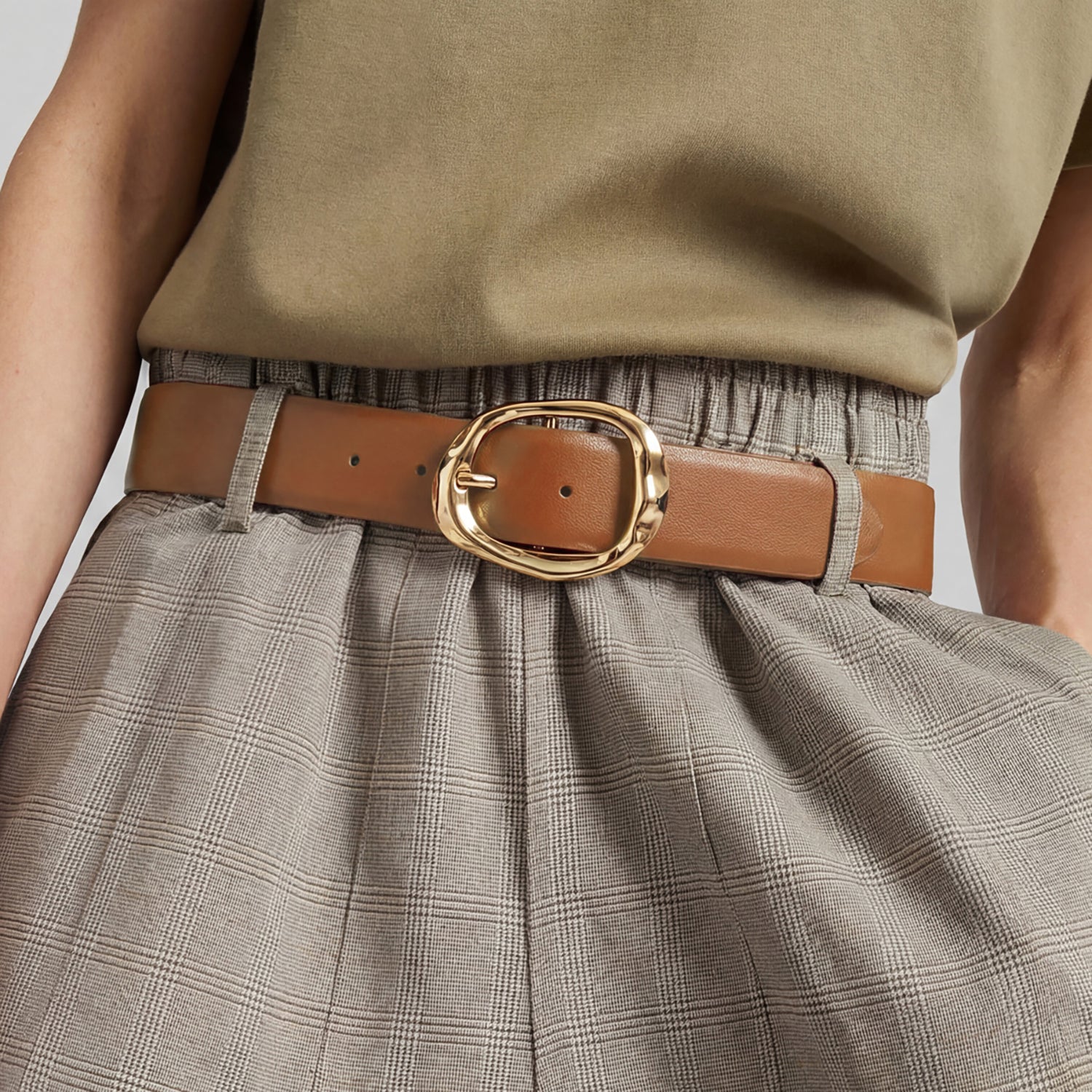
A styled image can show a possible relationship with clothing. A close view can help you inspect a fastening or surface. Neither establishes the model’s measurements or your own preferred wearing position.
When the image and your interpretation do not line up, pause rather than filling the gap with an assumption. You may need a clearer product view or an answer from the store.
The official JASGOOD contact page provides a route for questions that the listed details do not resolve. Do not treat a general editorial explanation as confirmation of a specific item.
Build a short evidence card for the item you want
Write down the exact item and selected variation first. A screenshot can help preserve what you were viewing, but revisit the current page before ordering rather than assuming an earlier option remains available.
Under fit, record the stated usable range and the place you intend to wear the belt. Keep an overall strap length in a separate line if the listing provides it; do not silently treat the two measurements as equivalent.
Under construction, record the material wording and fastening description without translating them into stronger claims. If the information does not answer a question, leave a blank instead of filling it from the photograph.
Under appearance, note the reason the item interested you: a rounded front, a repeated chain or a broader line. This is a preference to compare with clothes, not another specification to assume the listing guarantees.
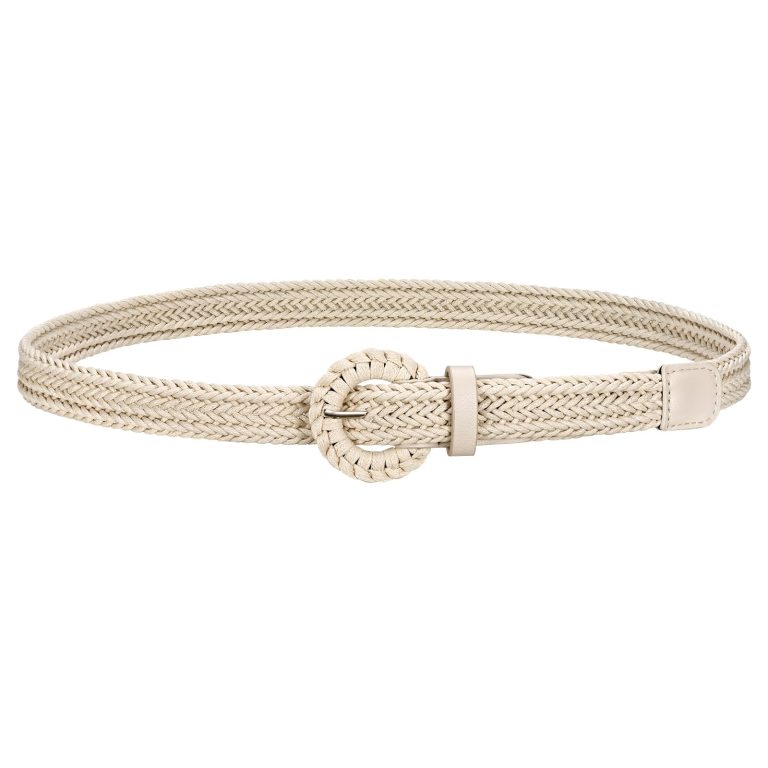
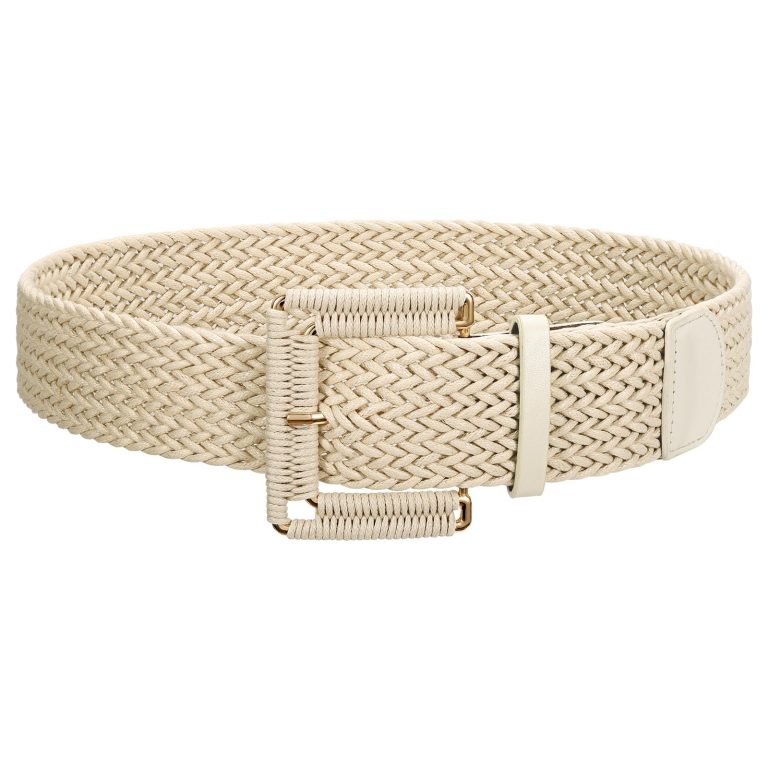
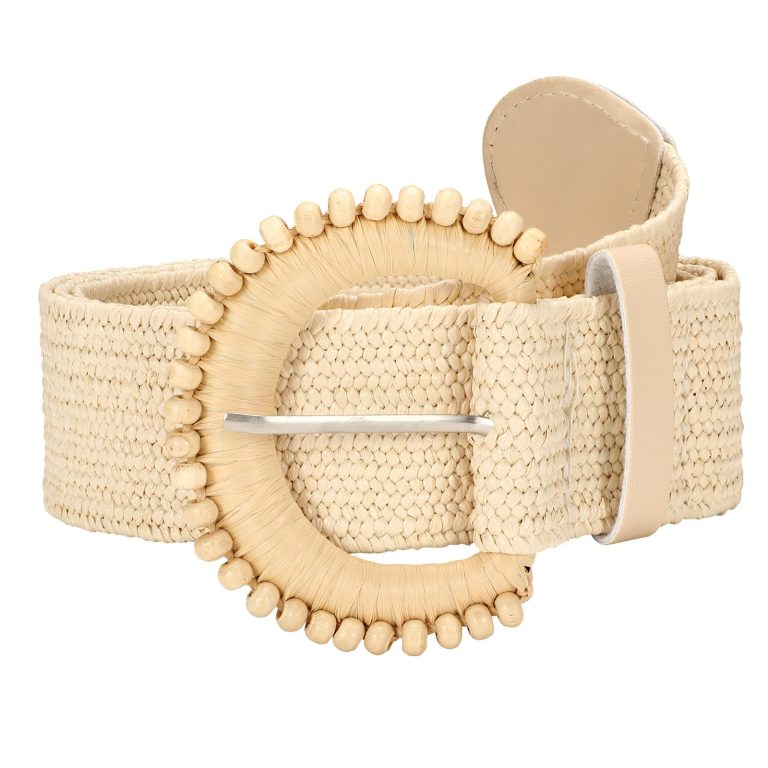
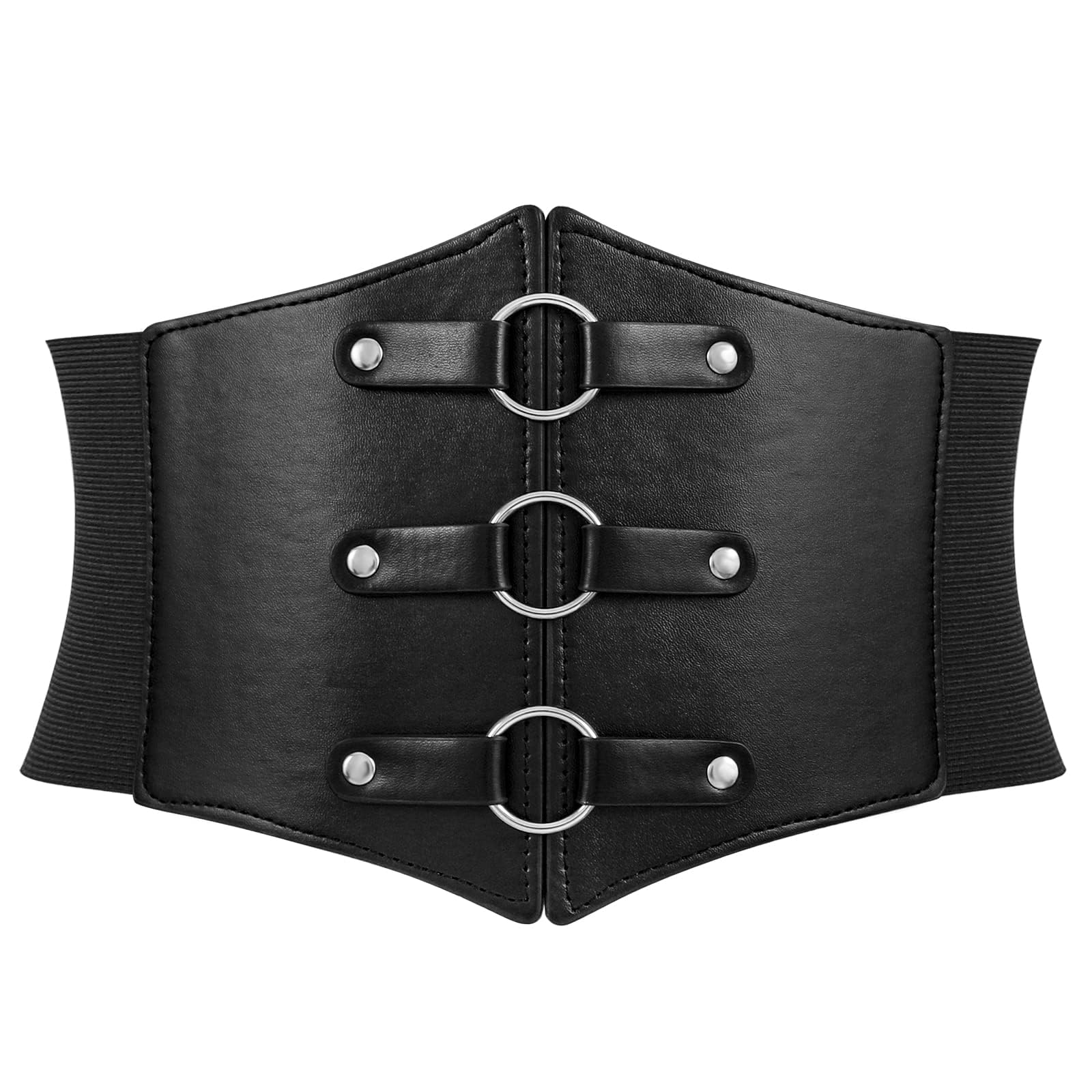
The belt photographs compare deliberately different front details. A close view establishes an appearance, not another product's adjustment method; a styled photograph also cannot supply the wearer's measurements.
Finish with an unresolved-questions line. Ask the store about any detail that would change your decision, such as the intended adjustment range, instead of treating a general collection description as the missing answer.
Bring your own measurements into the picture
The Journal’s sizing guides help you begin with the position where you intend to wear a belt. That is more useful than assuming one clothing label gives every measurement you need.
Use the buying section to compare choices after you have the facts for the item itself. Check the current store policies separately when they affect a decision.
A considered choice lets inspiration and information do different jobs. Keep the look that interested you, then make sure the actual product can play the role you have in mind.