Bring your intended belt to a trouser fitting so the tailor can see the complete wearing arrangement. First let them assess the trousers without belt tension. A tightly cinched waist can conceal the spare fabric or uneven fit that the alteration is meant to address.
In this guide
Pack the outfit details that affect the waist
Take the belt, the usual shirt or a similar layer, and the shoes if the appointment also covers trouser length. Tell the tailor whether you normally tuck the shirt and where you expect the waistband to sit.
Use a belt that fits comfortably already. A damaged strap or one adjusted at the very end of its range adds another variable to a fitting focused on the trousers.
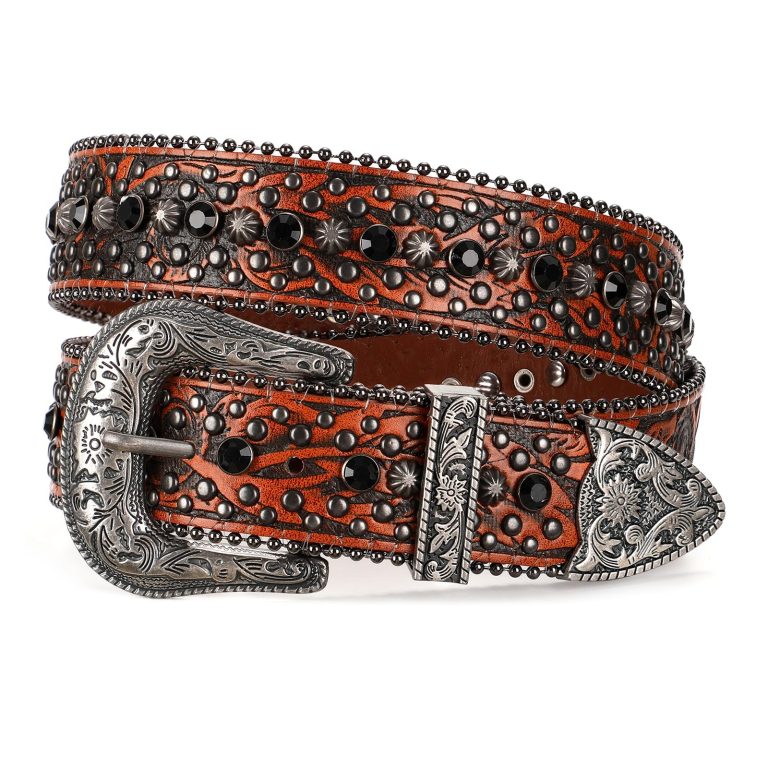
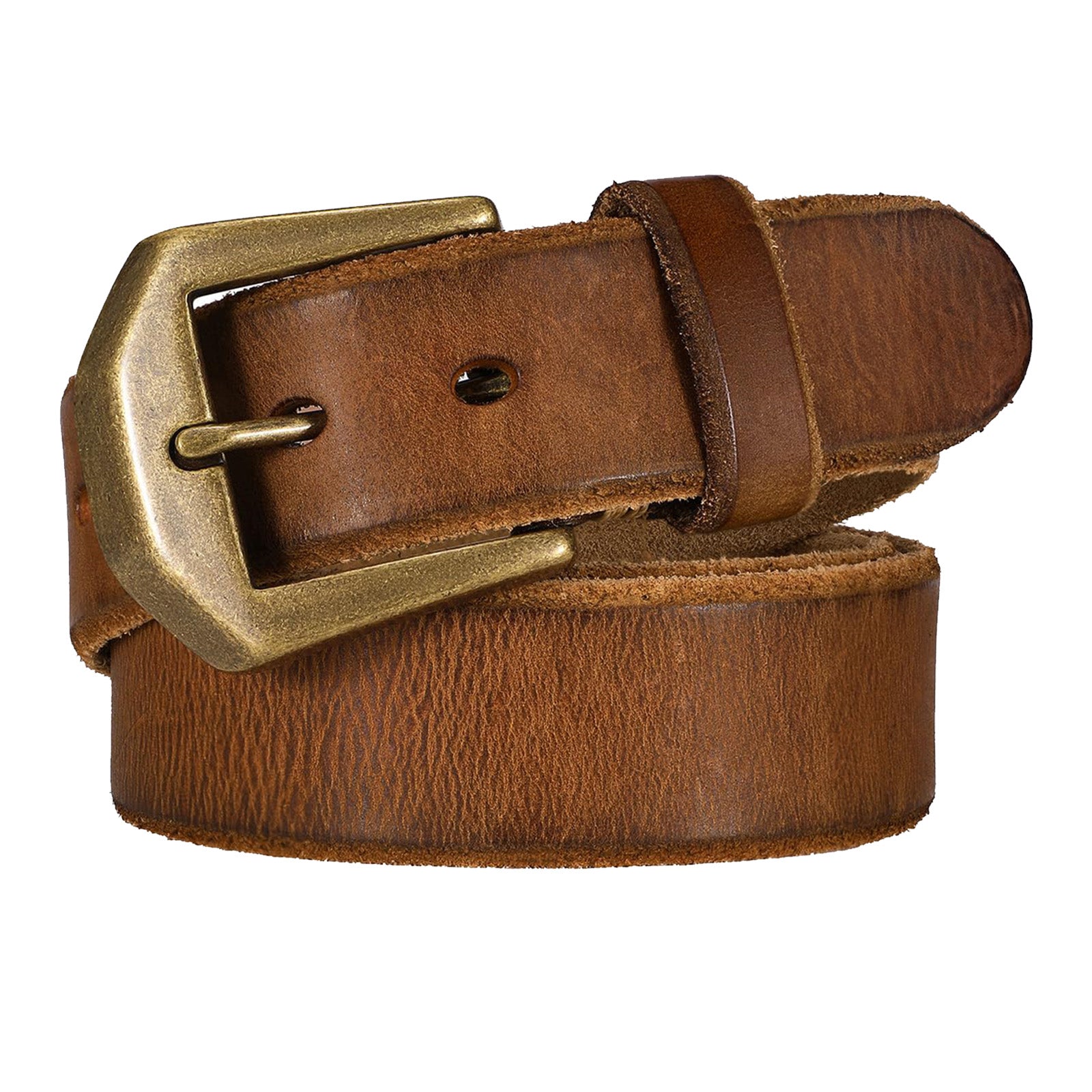
If you are still selecting a belt from JASGOOD pin-buckle styles, bring the candidate’s confirmed width and dimensions. The actual item is more useful when checking how its tip and keeper pass through the loops.
Show the unbelted starting point
Fasten the trouser closure and stand naturally. Explain what bothers you: slipping, excess gathering, an uneven waistband or a change in how the pockets sit.
Avoid holding your stomach in or pulling the trousers higher than you normally wear them for the whole assessment. The goal is a fit you can use during an ordinary day.
Add the belt after the initial assessment
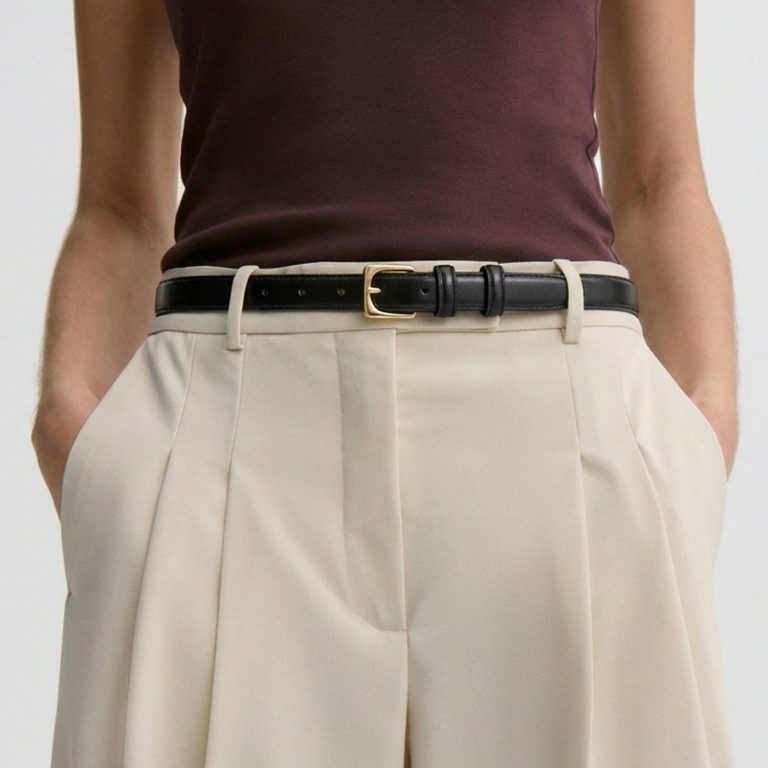
Thread it through every intended loop and fasten it at a comfortable setting. Let the tailor compare the belted and unbelted waist rather than treating the belt as a substitute for the planned alteration.
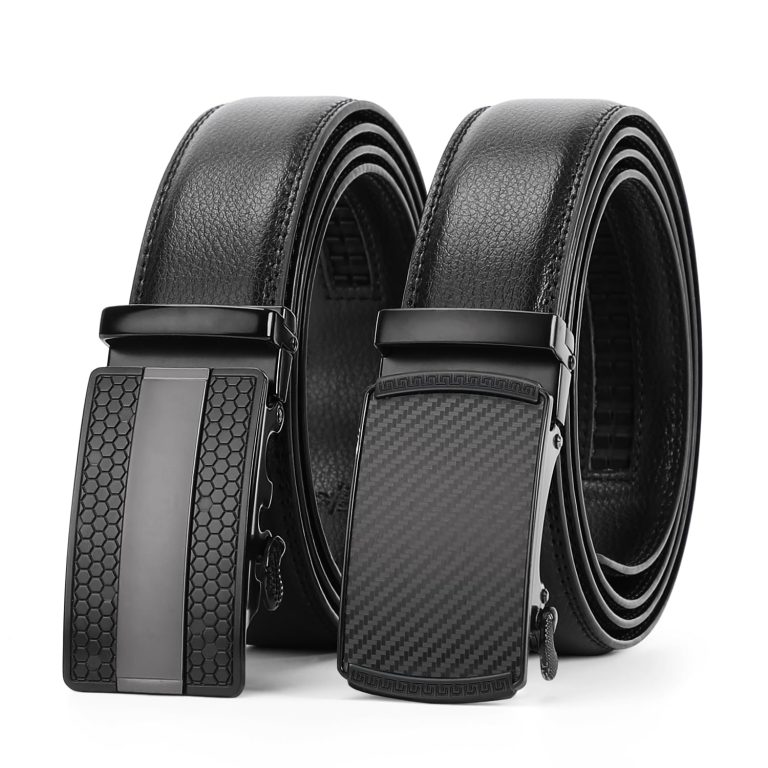
Point out a bulky keeper, removable buckle attachment or other part that matters to loop clearance. If an alteration affects loop placement, ask how the finished belt route will work.
Test the positions you actually use
Sit, stand and take a few normal steps when the tailor says it is safe to do so. Follow their instructions around temporary pins or basting; do not force movement through a pinned area.
Check whether the waistband, shirt and buckle still feel comfortable together. An outfit that looks tidy only while standing rigidly may need another adjustment.
Repeat the comparison at collection
Bring the same belt when collecting the trousers. Check the closure, loop route and familiar setting again, then inspect how the pleats or pockets fall if those were part of the original concern.
For example, if the waist was reduced, the old belt setting may no longer be the best one. Adjust within its intended range rather than insisting on the previous hole as a measure of success.
Ask the tailor about any remaining garment issue before altering the belt itself. Keep the two fitting decisions separate so you know which change produced the result.