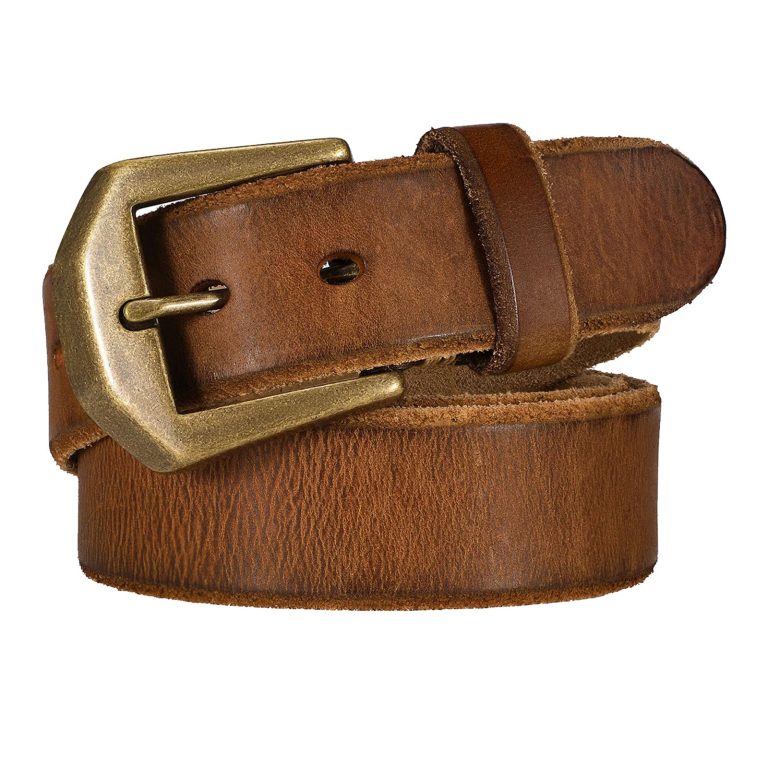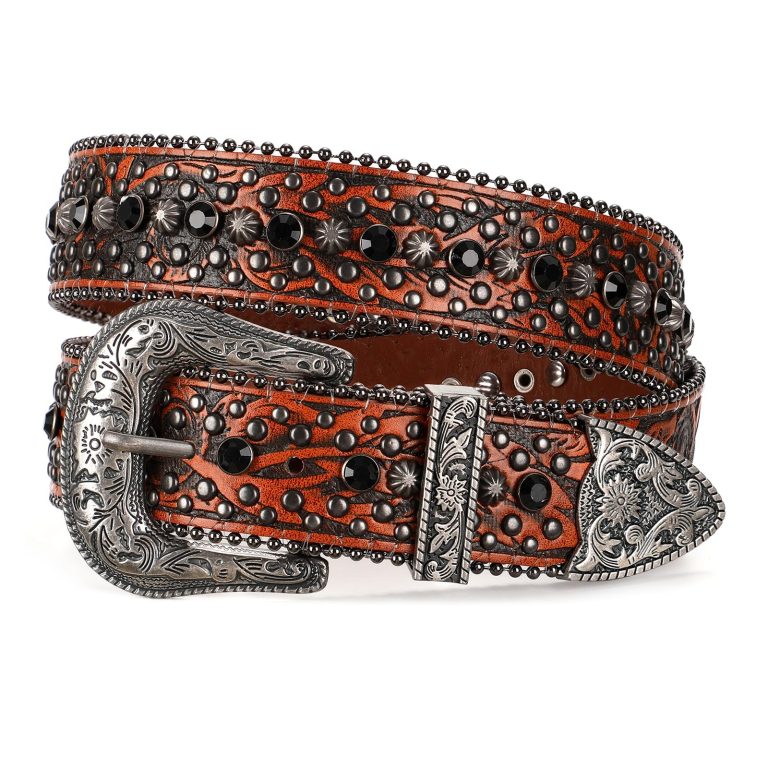
A lined belt has a separate backing or inner surface, while a single-piece description refers to a different strap construction. Compare the maker’s actual materials and assembly details. Counting visible layers is not enough to decide comfort, durability or suitability for your trousers.
In this guide
Ask what each surface is made from
Read beyond the material named in the title. Look for descriptions of the outer face, backing, any intermediate layer and the buckle attachment. If only one surface is identified, ask about the rest.
“Leather belt” does not by itself explain every component. Equally, a visible seam does not tell you whether the inner layer is leather, textile or another material.
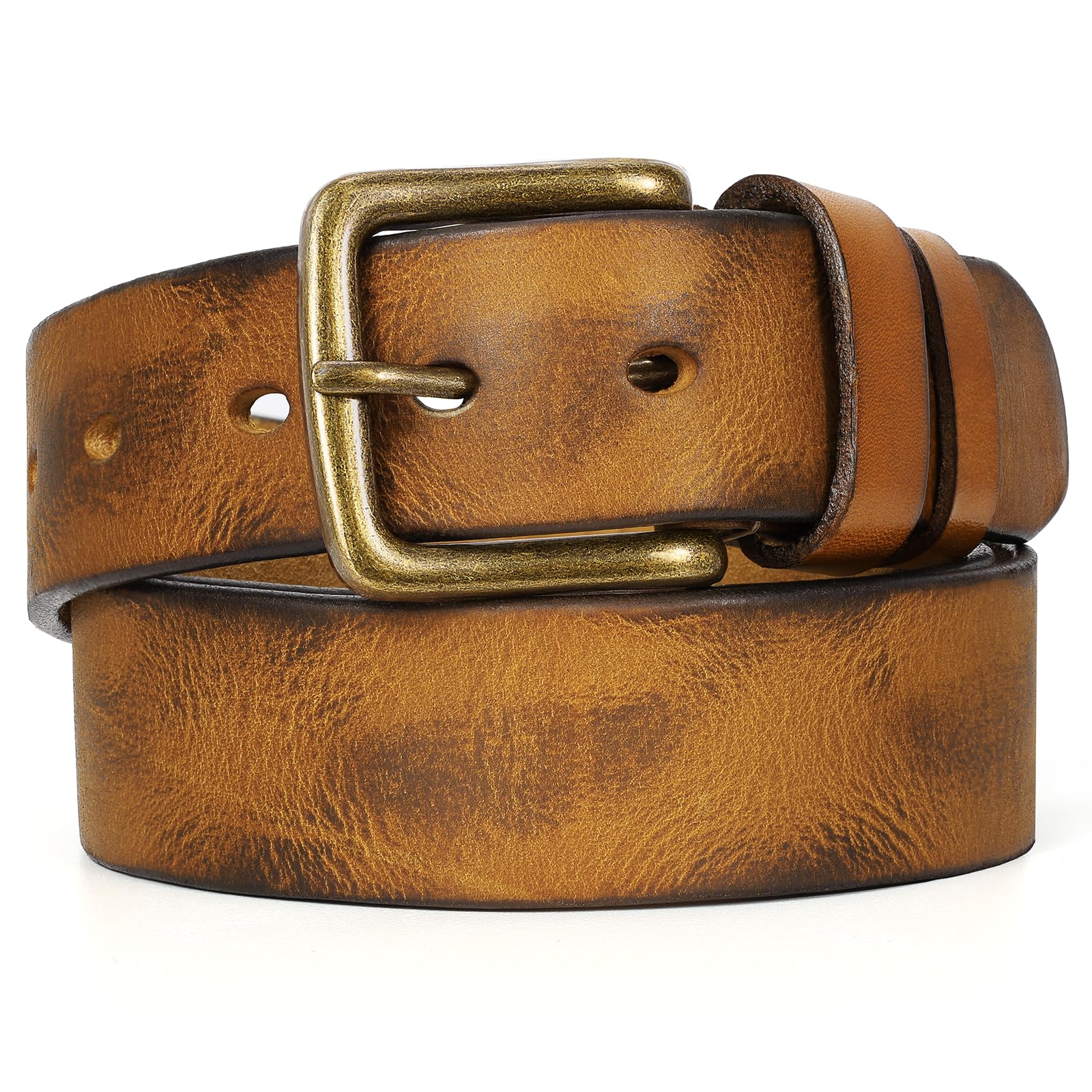
Use the description and close-ups of a specific option, such as JASGOOD Handmade Full Grain Leather Belts for Men, to form precise questions. Confirm any construction detail the listing leaves unstated.
Inspect the underside that touches clothing
Look for an even, sound contact surface and secure finishing around holes or the fastening track. Ask for a rear view if the listing shows only the decorated front.
For light trousers or delicate fabrics, request care and finish guidance relevant to that use. A smooth-looking backing does not establish colorfastness or guarantee that it will suit every garment.
Compare thickness and flexibility together
Check the complete strap thickness, especially near the tip and buckle attachment. It must pass through the intended loops without forcing them, regardless of how many layers are described.
During an allowed trial, see how the belt follows the waistband and settles around the closure. Do not sharply fold it to test flexibility or pull layers apart to inspect construction.
Look at assembly, not just labels
Inspect stitching, edges and the attachment for loose areas or separation. For a lined design, check the boundary between surfaces. For a single-piece design, inspect the strap and its cut edges just as carefully.
No single construction word guarantees a long service life. How the parts are specified, assembled, used and cared for all matter, and a photograph cannot establish the complete history of those factors.
Choose around a real wardrobe need
For narrow trouser loops, a bulky attachment may rule out an otherwise appealing belt. For a dress worn without loops, the underside and the way the strap drapes may deserve more attention.
Make your final comparison using confirmed dimensions, intended contact and care instructions. Choose the construction that meets those needs rather than treating “lined” or “single-piece” as an automatic verdict on quality.