If a belt rides up over a dress, check what moves first: the strap, the fabric underneath or both. A belt can migrate toward a different position as you move. Tightening it may add pressure without correcting that mismatch.
In this guide
Set a starting point you can compare
Put the dress on and smooth the fabric without the belt. Notice where its waist seam or gathers naturally sit. Place the belt where you want it, then check the front and side views in a mirror.
Walk, sit and raise your arms gently. Look again without resetting the belt. If the dress has pulled upward with it, release the strap and let the garment settle before trying another position.
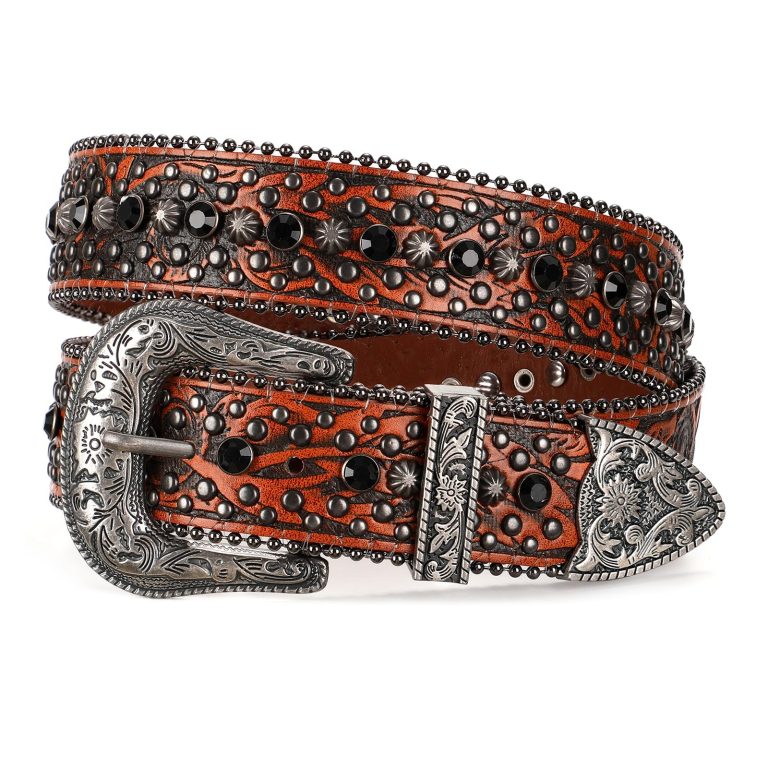
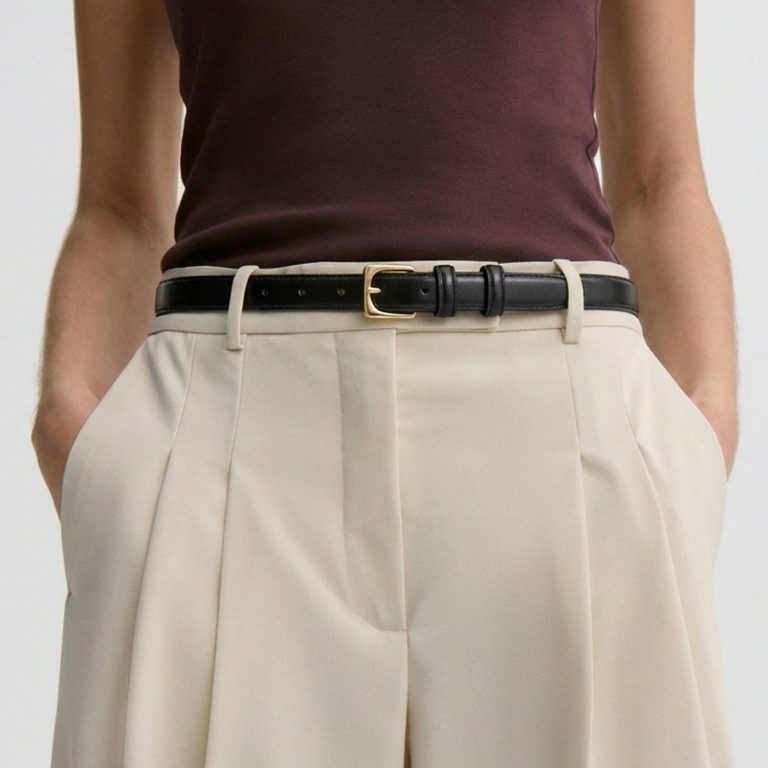
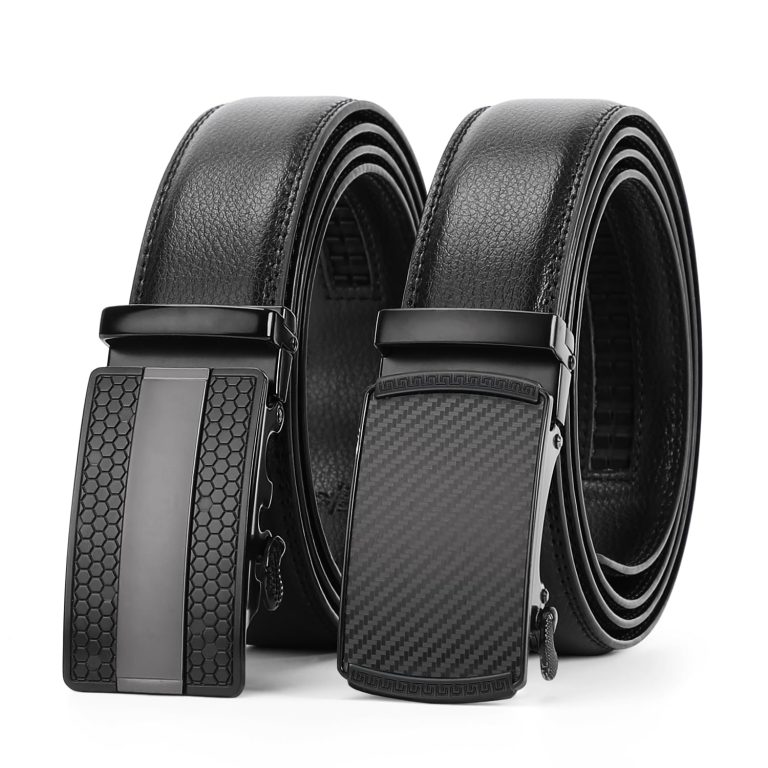
If the shape of the belt is the limiting factor, compare narrower and wider options in JASGOOD everyday belts. Choose by how the strap sits on your dress, not by the idea that a wider belt must stay put.
Try less tension before more
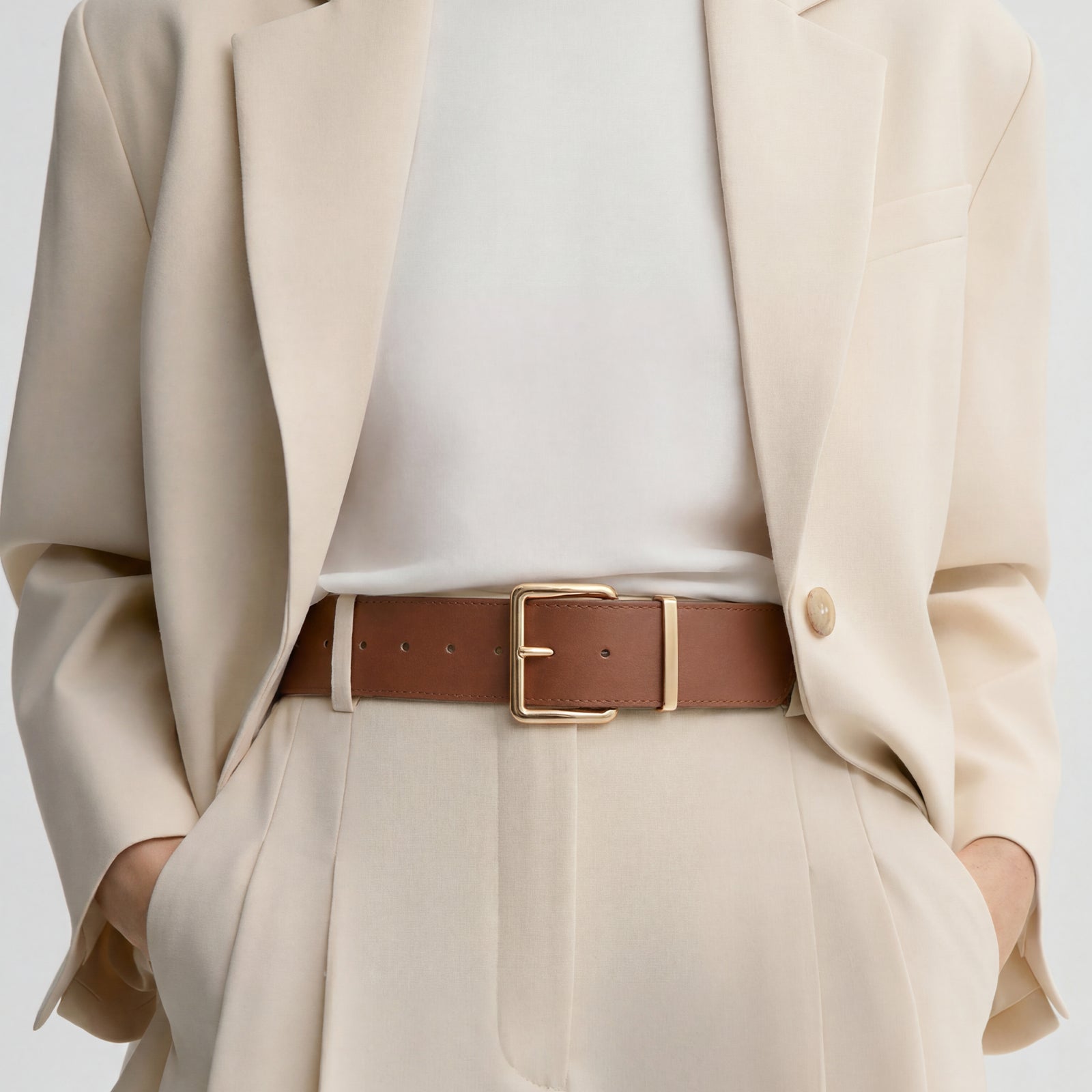
Loosen one setting and repeat the same movements. A belt worn over a dress may be there to suggest a waistline rather than hold up the garment, so it does not always need the tension of a trouser belt.
If loosening makes the belt drop away from the intended position, restore the earlier setting and compare another placement instead. Change one variable at a time so the result tells you something useful.
Inspect the fabric underneath
A thick fold under one side can tip the belt or make it look as though it has climbed. Spread gathers around the waist and check that the hem has not become uneven as the fabric is drawn upward.
A smooth, lightly fitted dress behaves differently from a bulky knit. Test the complete outfit, including any layer underneath, rather than expecting the same belt setting to work across both.
Follow the garment’s available positions
If the dress has belt loops, use them only with a belt that passes through easily and suits their intended height. Loops do not make an incompatible wide or heavy belt a good match.
Without loops, compare the belt close to the dress’s own waistline and at a slightly different comfortable position. Keep any zipper or fastening clear. Do not force the garment into a new shape by cinching hard.
For example, a belt placed below a shaped waist may move upward as the dress shifts while sitting. Wearing it near the garment’s existing waistline may require fewer corrections, if you like that silhouette.
Choose a combination that stays wearable
A little movement during the day is normal. Frequent readjustment, pressure or deep bunching suggests that this belt, dress and position are not working well together.
Avoid improvised pins, glue or adhesive on the dress to hold the belt down. A tailor can assess whether proper loops suit the garment, or you can try a different belt shape or wear the dress without one.