You may not need a belt with side adjusters if the trousers fit comfortably using their built-in system. Check whether they also have suitable belt loops. A belt is an option for compatible trousers, not a requirement for every tailored waistband.
In this guide
Identify how the trousers are intended to fit
Fasten the main closure, then adjust the sides according to the garment’s design. Keep the waistband level and comfortable, rather than pulling one side much tighter to hide extra fabric.
Look for belt loops, brace buttons and any instructions from the maker. These features describe possible support arrangements; they do not need to be used all at once.
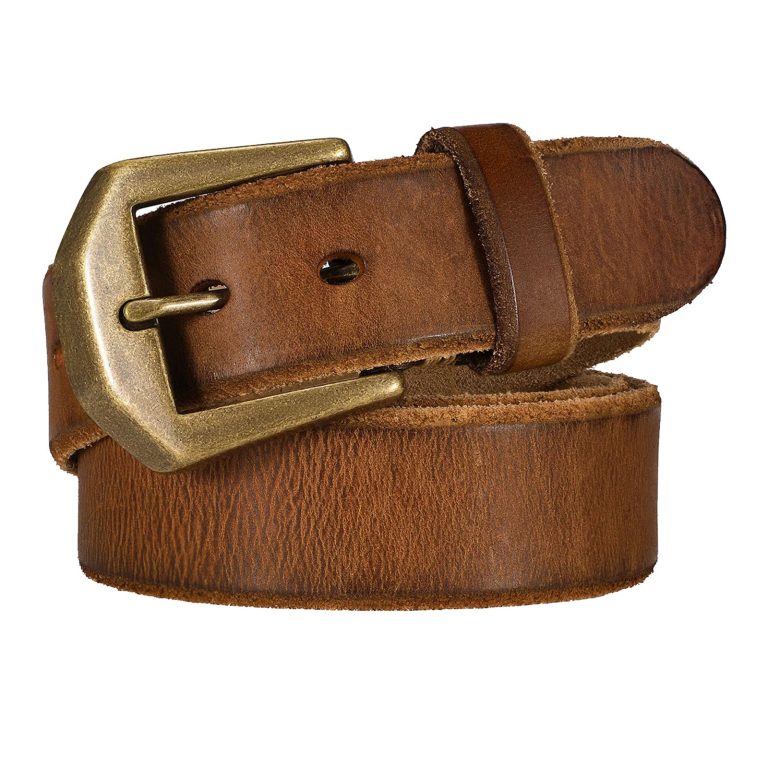
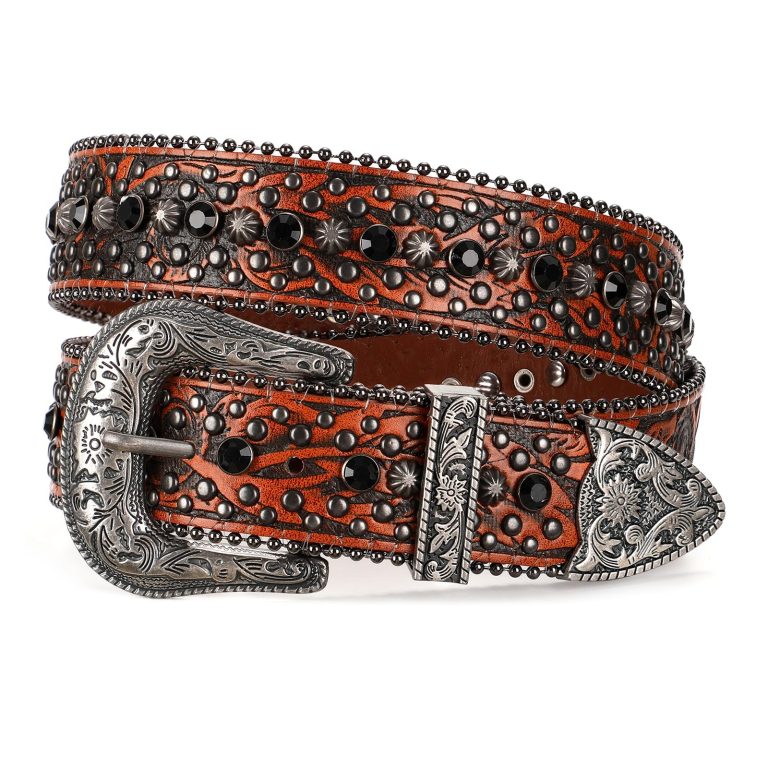
If the trousers do have compatible loops and you want a visible belt, compare compact frames in JASGOOD pin-buckle belts. Check the route around the side hardware before choosing a strap.
Decide whether the belt has a job
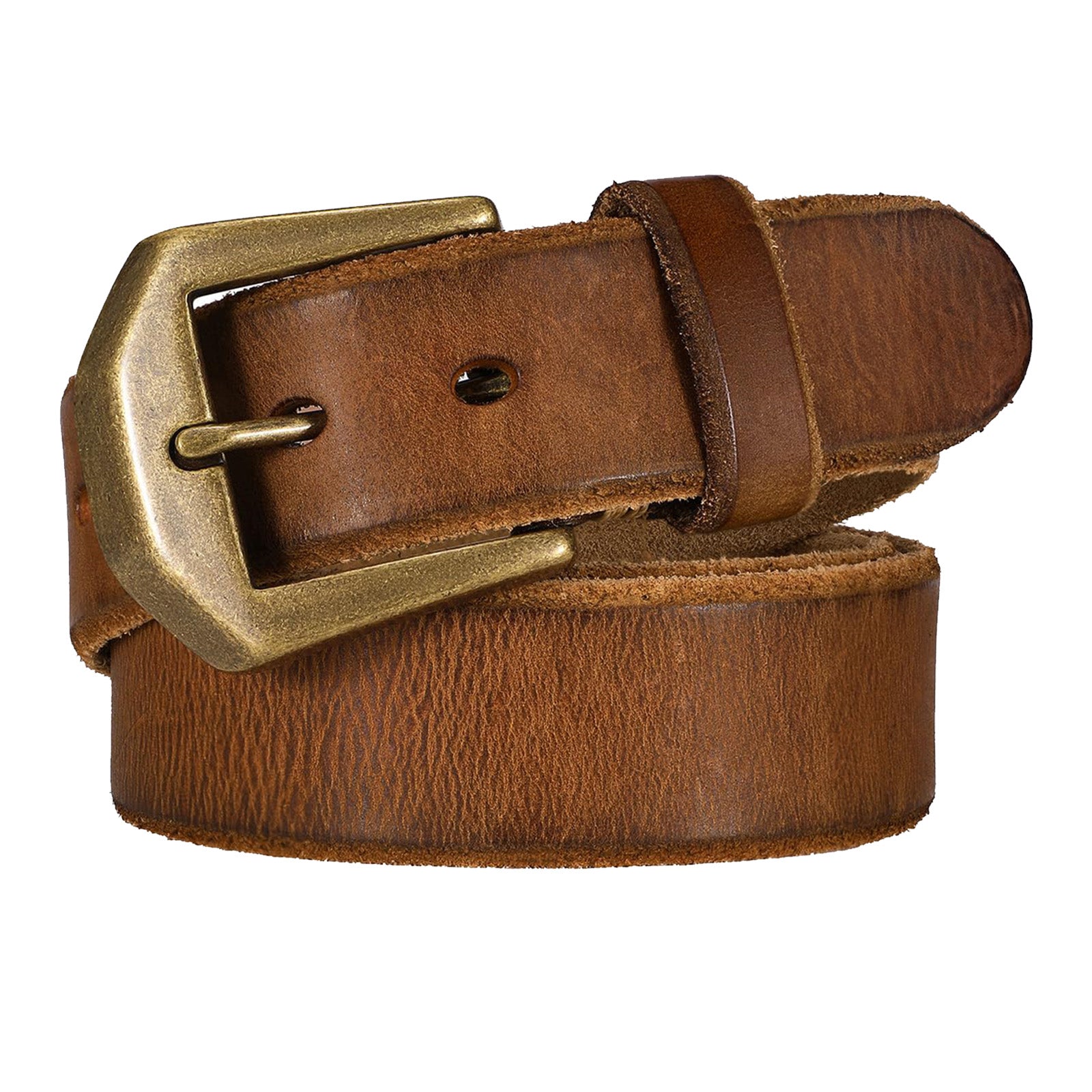
If the adjusters provide the fit you need and you prefer a clean waistline, leave the belt off. That lets the trousers’ closure and tailoring remain visible without adding another layer of hardware.
If you want a color accent, a belt may provide one where the garment allows it. Keep the side adjusters at a comfortable setting rather than using both systems to compress the waistband.
Check for crowded hardware
Follow the belt path with the trousers laid flat. A side buckle, tab or raised seam may sit directly beneath the strap. Check whether that creates a pressure point while seated.
Do not remove or bend a side adjuster to make room for a new belt. If the design offers no unobstructed route, choose another accessory or another pair of trousers for the belted outfit.
Separate support from a sizing problem
Side adjusters have a usable range, just as a belt does. If the trousers need extreme tightening, deep gathers or a rotated waistband to stay in place, assess the garment size or ask a tailor.
A belt cannot be assumed to restore a clean fit once the built-in adjustment is exhausted. Adding more tension may make the original problem harder to see clearly.
Compare the complete outfit
Try a tucked shirt with the trousers as designed first. Then, only if they accept a belt, compare the belted version at similar comfort and rise.
A plain waist may suit a jacket-focused outfit, while a visible strap may connect with casual shoes. Choose the version that works with the actual construction and the effect you want, rather than following a blanket rule.