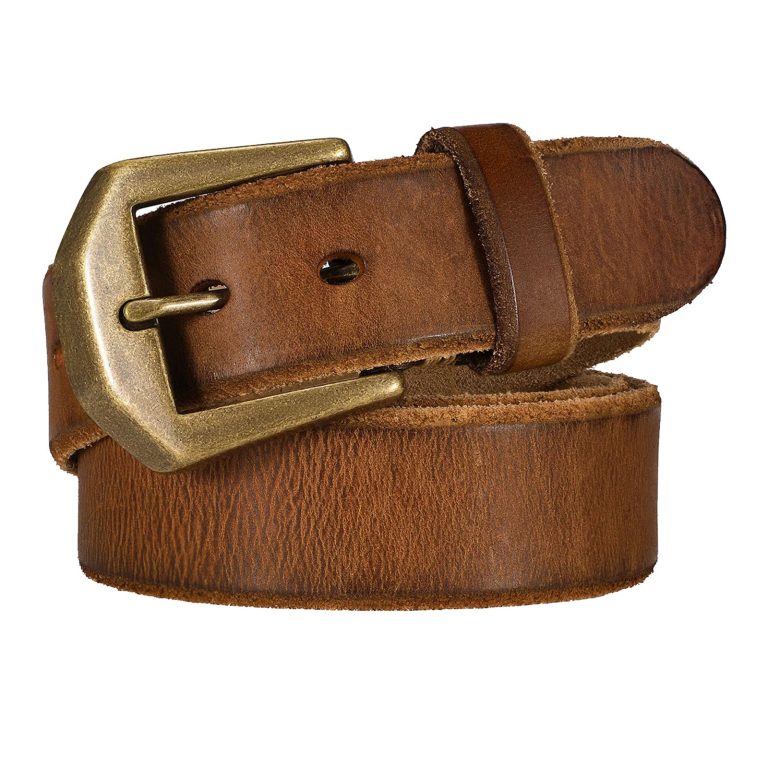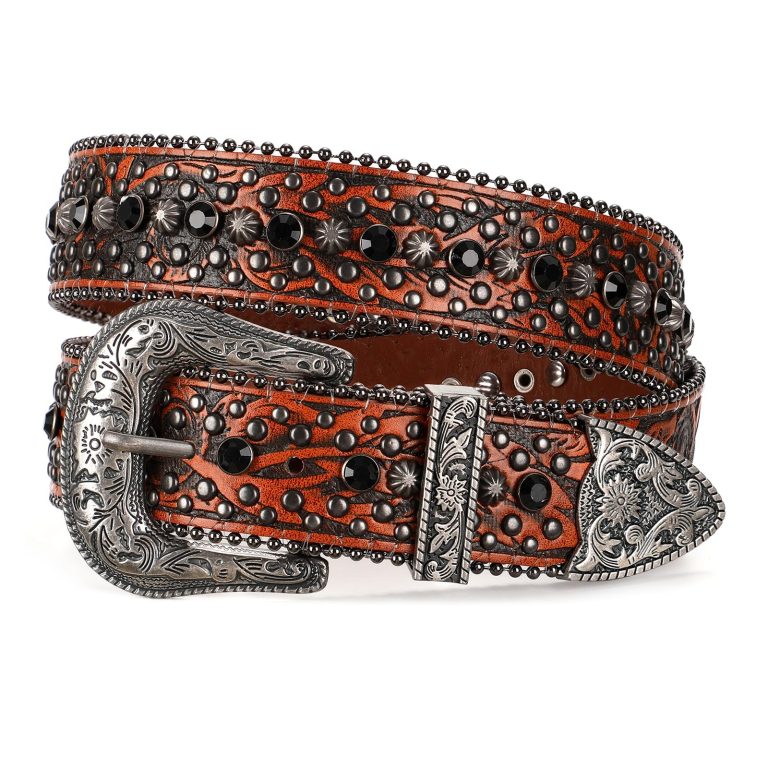
A belt for a child should suit the clothes, fit comfortably and be manageable for the child or caregiver. Begin by checking whether the trousers actually need one; an adjustable waistband may already solve the problem.
In this guide
Measure the clothing and wearing position
Measure around the waistband over normal clothing, then check the height of the belt loops. Compare both measurements with the product’s sizing instructions.
Avoid choosing only by an age label. Children of the same age can need different lengths, and high-rise and low-rise trousers can sit at different positions.
Compare JASGOOD kids’ belts after measuring. Check the selected model’s fitting range, strap width and fastening, and confirm that its intended age or use is appropriate for your child.
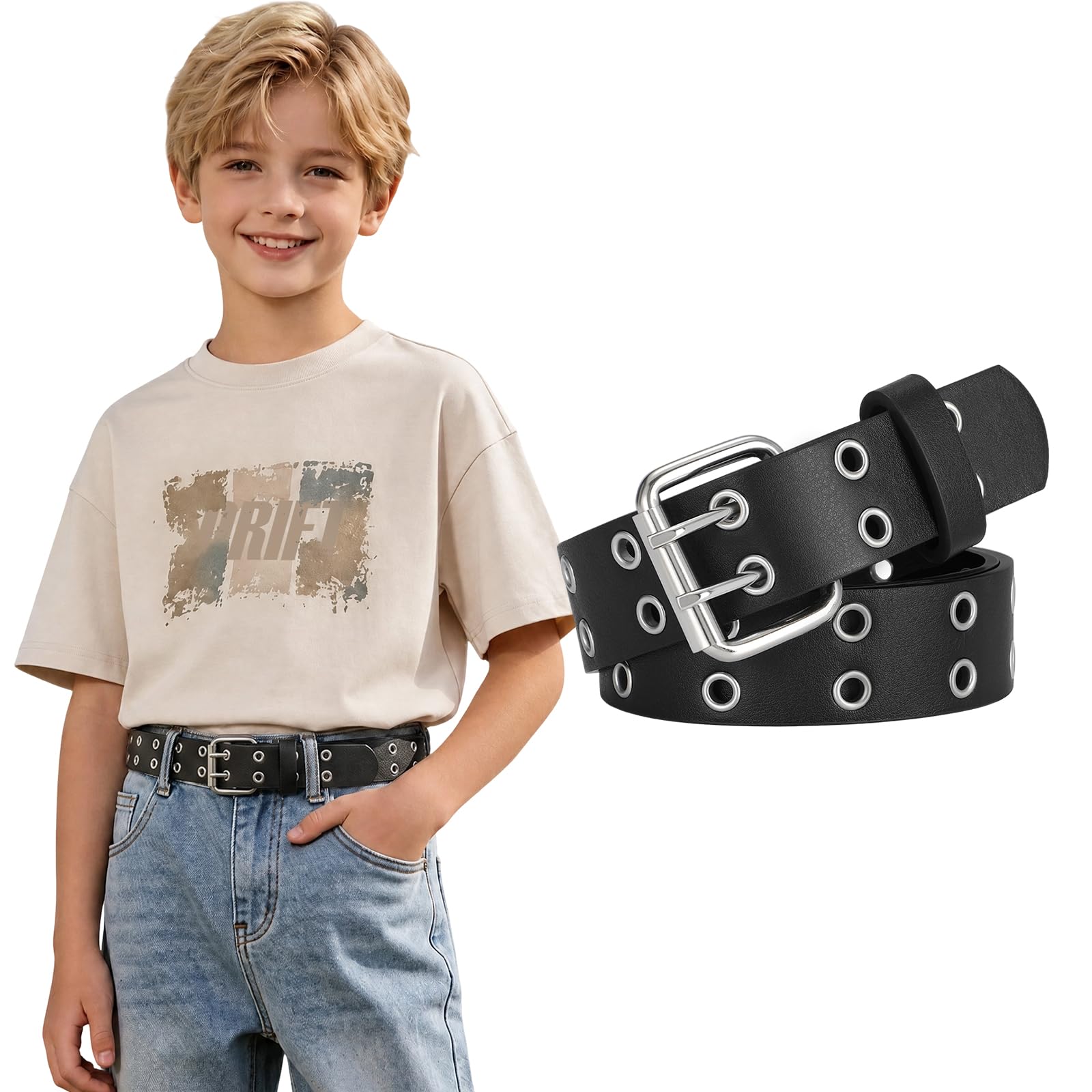
Make the fastening part of the decision
Ask the child to practice opening and closing the belt in a calm setting. A familiar-looking buckle can still be difficult for small hands or rushed bathroom breaks.
For a younger child, choose clothing and fastening arrangements the caregiver can manage easily. A belt should not turn ordinary dressing into a struggle.
Inspect the buckle for rough edges and the strap for loose parts. Check the keeper too, since an unsecured tail can get in the way.
Three everyday checks
Sitting at a desk
Have the child sit in the outfit for a few minutes. The buckle should not press painfully into the abdomen, and the waistband should not be pulled into tight folds.
Walking and bending
Let the child move normally and reach down. Watch for a twisting strap, slipping trousers or loops being pulled out of shape.
Bathroom access
Check that the belt can be released and refastened in the way the child normally dresses. A simple design is only useful if it is simple for that child.
Allow adjustment without excess length
A useful fitting range leaves room for normal adjustment. Buying a much longer belt can create a tail that cannot be secured properly.
If a design can be shortened, follow its specific instructions and ensure an adult handles any cutting or hardware work. Do not assume every belt is made to trim.
Recheck as the child grows
Inspect the fit and fastening periodically rather than waiting for obvious discomfort. If the trousers still slide unless the belt is very tight, a different trouser fit may be the more comfortable solution.