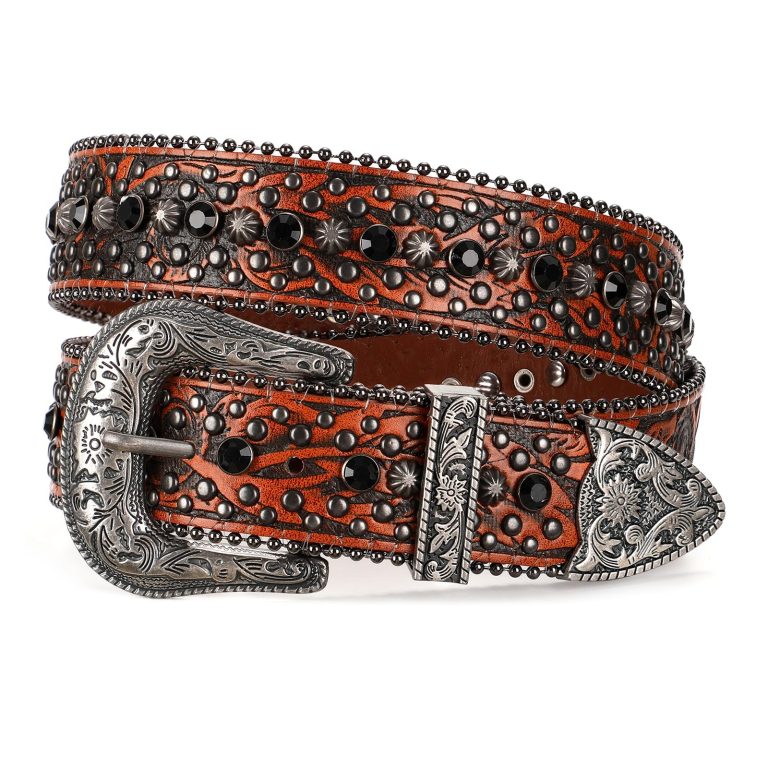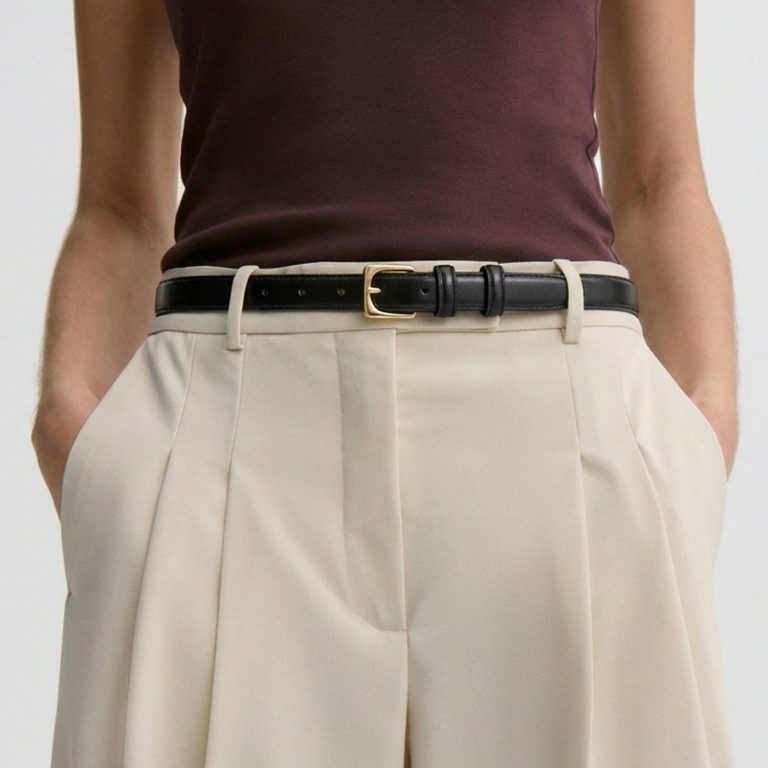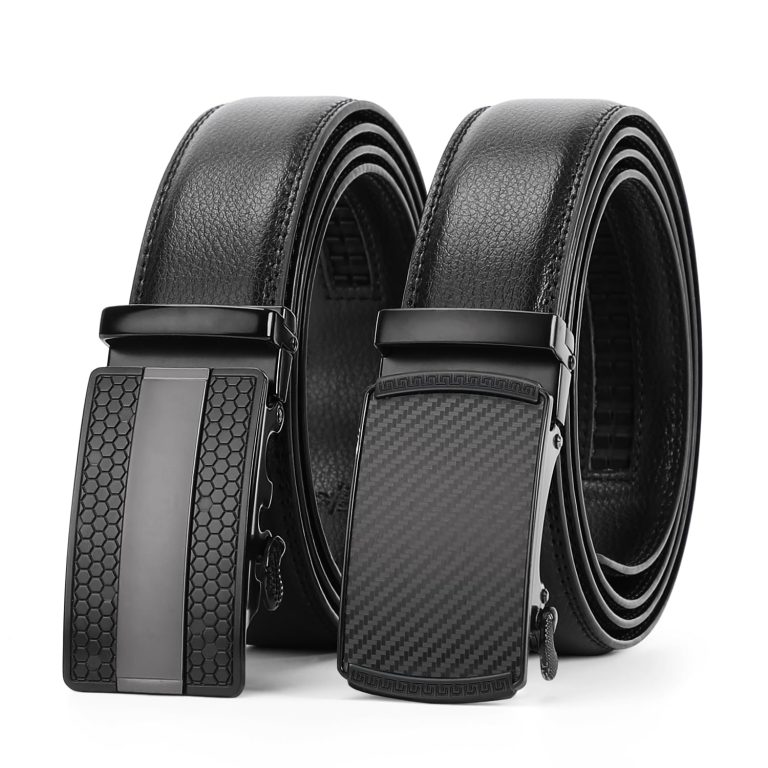
A number inside a belt may be a size, a length or part of the maker’s identification system. Do not assume it is your waist measurement. Find the model’s size chart and check the units and reference points before using the number to buy another belt.
In this guide
Record the whole label
Photograph the printed area with any letters, unit marks or product code around it. An isolated number loses context, especially when different sellers use different labeling conventions.
Look for the packaging or order history too. A size selected at checkout may describe a wearing range, while the physical strap carries another length reference.
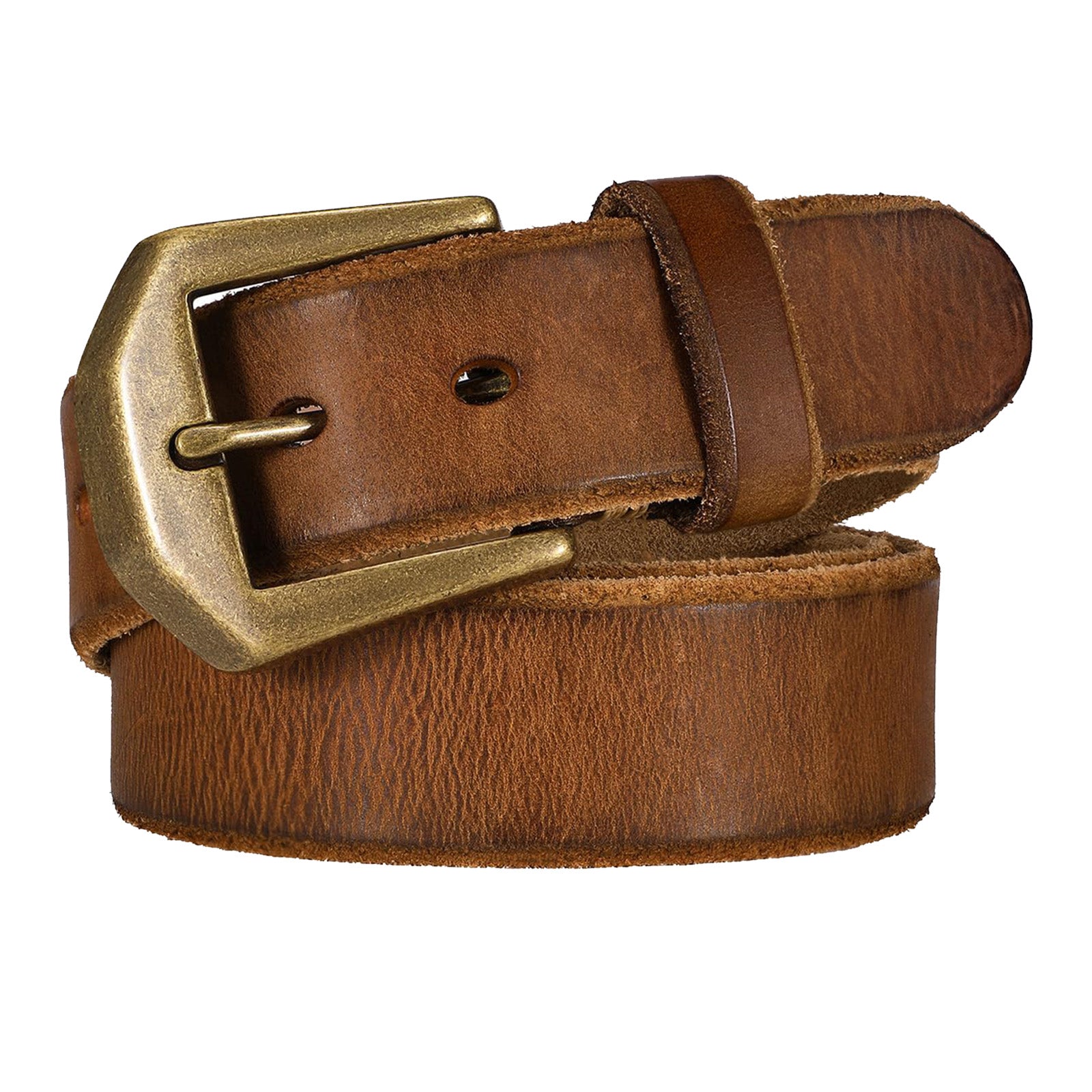
When comparing a replacement in JASGOOD pin-buckle belts, open the chosen model’s chart. Match its stated fit range to your measurement instead of copying an unfamiliar number from another brand.
Find out what is being measured
- Wearing range: the circumference the product says it is intended to fit.
- Working length: a measurement between specified fastening reference points.
- Total length: an end-to-end measurement that may include sections not used to close around you.
The terminology and diagrams can vary, so use the seller’s explanation. Converting inches to centimeters does not help if you are converting the wrong kind of length.
Use a physical measurement as a cross-check
Measure over the clothing where you actually wear the belt. Keep that result separate from the printed label, and note whether the belt is being used through trouser loops or over a dress.
If a comfortable existing belt is intact, measure it according to the new seller’s diagram. Do not include the decorative tip unless the diagram specifically asks for it.
Recognize missing information
For example, a hypothetical stamp reading “110” does not tell you whether that is a centimeter reference or which endpoints were used. Treat it as a clue until the maker confirms the system.
A worn-off digit, a shortened strap or a replaced buckle adds uncertainty. The original label may no longer describe the assembled belt in front of you.
Ask a question the seller can resolve
Send the model name, full label photograph, your wearing measurement and the chart you are comparing. Ask which measurement the printed number represents.
Keep the answer with the product details for future orders. Once the reference is clear, you can compare sizes consistently without relying on a guess each time a label changes.