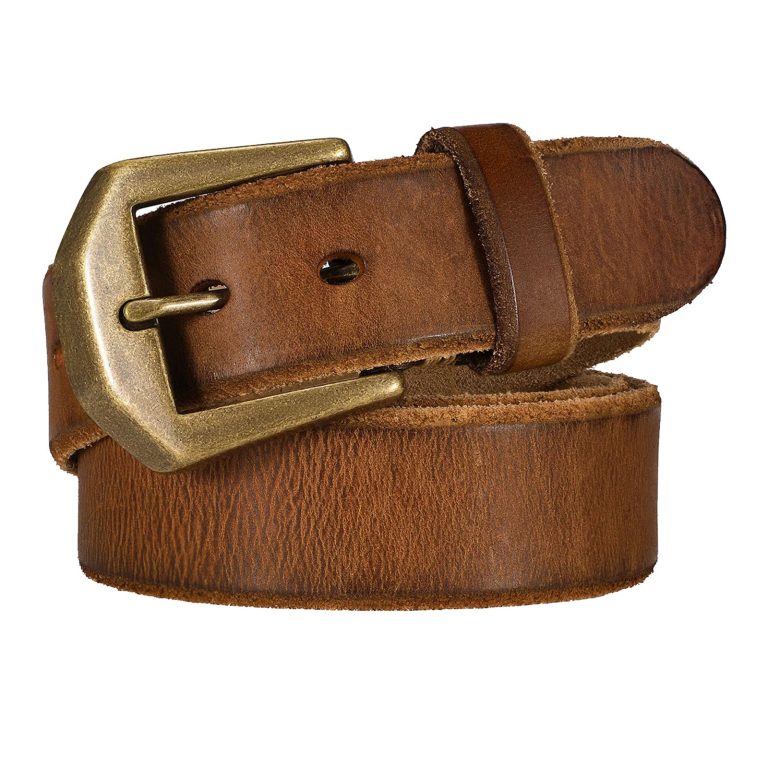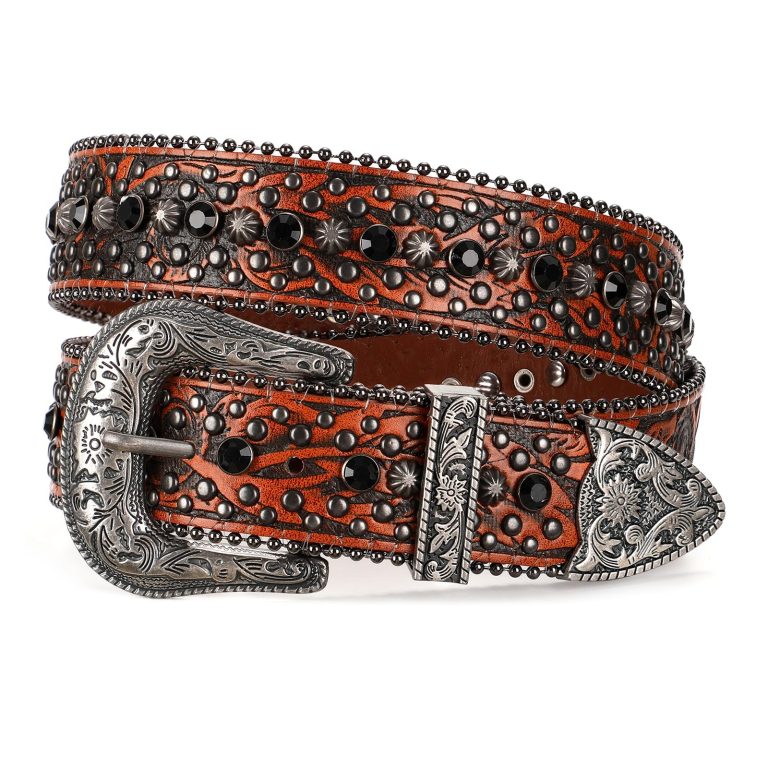
For a seated workday, compare a stretch belt with a fixed-length belt by how each works with your trousers, buckle position and normal movements. Elastic is not automatically comfortable, and a non-stretch strap is not automatically restrictive. A useful choice supports the waistband without needing to be set excessively tight.
In this guide
Start with the trousers you sit in
Try the trousers without a belt. Sit at your desk, stand and reach forward normally. If the waistband already presses or pulls, address that fit first. Stretch in a belt does not add room to the trouser waistband beneath it.
Then consider what the belt needs to do. Supporting trousers through loops is different from giving a loose dress a decorative waist. A broad elastic fashion belt might suit the second task while being completely unsuitable for the loops on your office trousers.
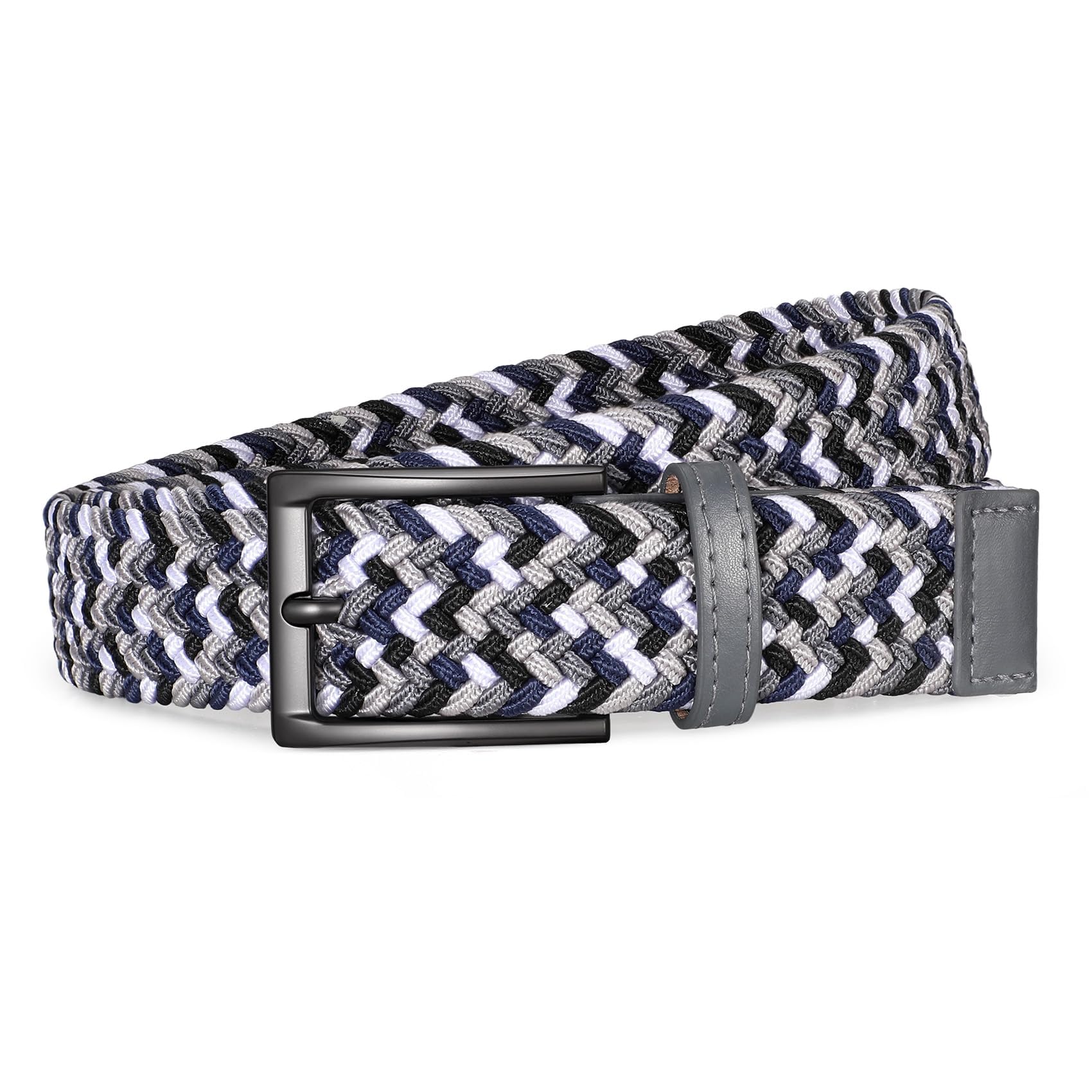
If you want to compare stretch designs, browse JASGOOD fabric belts and check each model’s construction, width and fastening. Use the product’s stated fit range rather than judging by how far an elastic section can be pulled. Match the belt to your garment before choosing a finish or buckle color.
What a stretch section changes
An elastic section can extend as the distance around the wearing position changes, but its tension depends on the design and how you set it. A belt already pulled close to its comfortable limit while standing may still feel restrictive when seated.
Check whether the elastic sits smoothly or rolls onto an edge under the waistband. Try the belt with your normal tucked layers, and look at where any non-stretch panel or fastening rests. The stretch section is only one part of the complete fit.
What a fixed-length strap offers
A fixed-length strap keeps a more consistent position once fastened, with adjustment determined by its holes or buckle system. Compare the available settings rather than assuming all such belts adjust in the same increments.
If one hole feels loose while the next feels tight, that particular adjustment spacing may not suit your outfit. Another fitting range or fastening can be worth considering. Do not add a hole automatically before checking that the strap and maker’s instructions allow a suitable alteration.
Make a fair comparison
Use the same trousers and similar clothing layers for both belts. Set each comfortably while standing, then sit for an ordinary work task. Notice the whole waistband, the buckle edge and the tail separately. A bulky frame may be the source of discomfort even when the strap itself feels fine.
Stand and walk again. The belt should still support the trousers without needing constant readjustment. A brief try-on cannot establish all-day comfort, but it can reveal an obvious mismatch in buckle position, strap tension or loop compatibility.
Choose for the working outfit
For example, an elastic belt over a loose knit dress may give a comfortable decorative line, while the same wide design will not pass through narrow tailored-trouser loops. A slimmer fixed-length belt that fits those loops can be the more useful choice, provided its adjustment and buckle work when seated.
Keep notes on the width, fastening profile and setting that worked. These practical details help narrow the next purchase more reliably than choosing everything labeled stretch. If the specific problem is pressure from the frame, use our buckle pressure checks before replacing the entire belt.