When to replace a belt depends more on its condition and fastening than its age alone. Check the points that carry tension first, then decide whether cleaning, a compatible repair or replacement is the sensible next step.
In this guide
Inspect the load-bearing areas
Look around the buckle attachment, frequently used holes, ratchet track and keeper. Check the strap while it is relaxed rather than bending it sharply to exaggerate a flaw.
A surface scuff is different from a split that runs through the strap. A decorative finish wearing away is different from layers separating near the fastening.
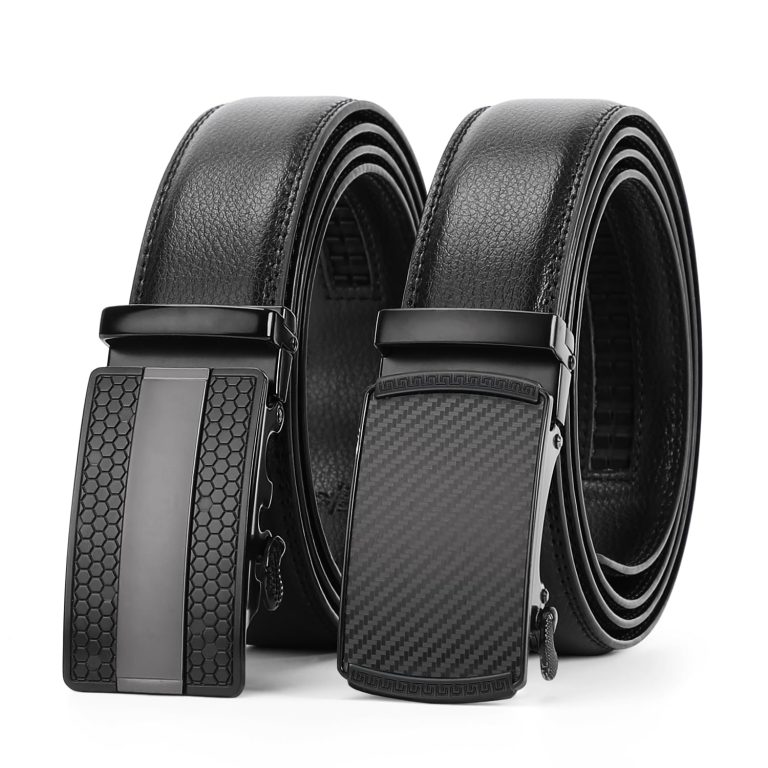
If the belt is no longer reliable, compare JASGOOD men’s belts using the width and fitting range your trousers need. Look for clear construction and care information rather than assuming a material name guarantees a particular lifespan.
Signs that deserve action
The fastening no longer holds
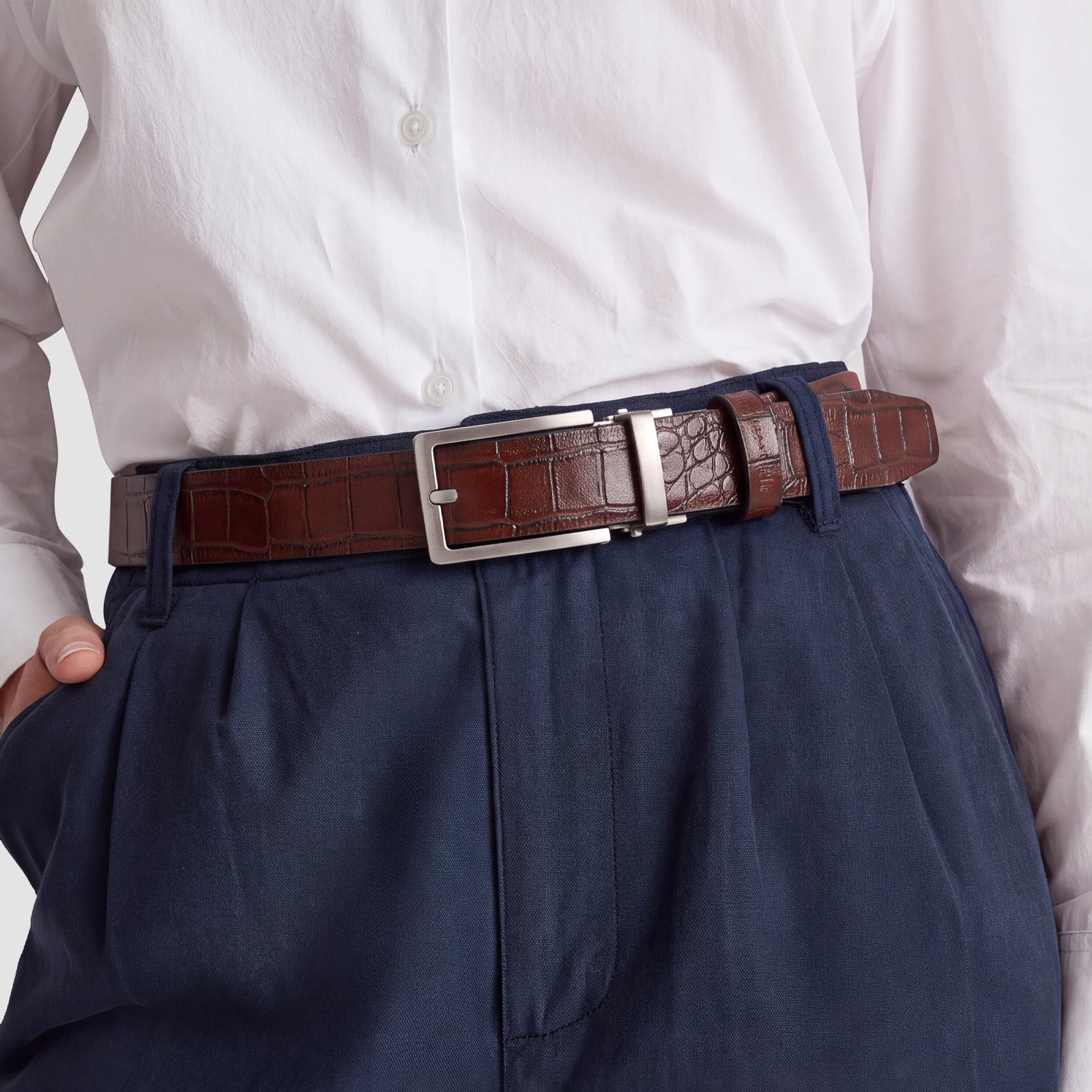
A slipping ratchet, damaged pin or loose buckle attachment can make the belt unreliable. Inspect it according to the product’s instructions and stop relying on it if it repeatedly releases or fails to secure.
The strap is splitting at a stressed point
Cracks around a used hole or attachment area need closer attention than a small mark elsewhere. Do not keep moving to a tighter hole just to avoid the damaged section.
Layers or stitching are separating
Check whether the problem is limited to a cosmetic edge or affects the structure. If you cannot tell, ask the maker or a suitable repair specialist before continuing to use it under tension.
The fit no longer works
A belt can remain physically sound yet be the wrong size for your current clothes. If the tail cannot be secured or the fastening only works at an extreme setting, compare another size.
What may be repairable?
Some designs allow a compatible buckle or keeper to be replaced. Others are stitched or bonded in ways that make a small repair less straightforward.
Use parts intended for the strap’s width and attachment method. Do not improvise a repair that hides damage while leaving the fastening unreliable.
What does not automatically mean failure?
A gentle curve, ordinary surface marks or a change in appearance may not prevent comfortable use. Judge these alongside the belt’s material, construction and care instructions.
Before replacing, identify why the old belt failed. A better loop fit, less tension or gentler storage can help avoid repeating the same problem, while a sound older belt may simply need appropriate care.