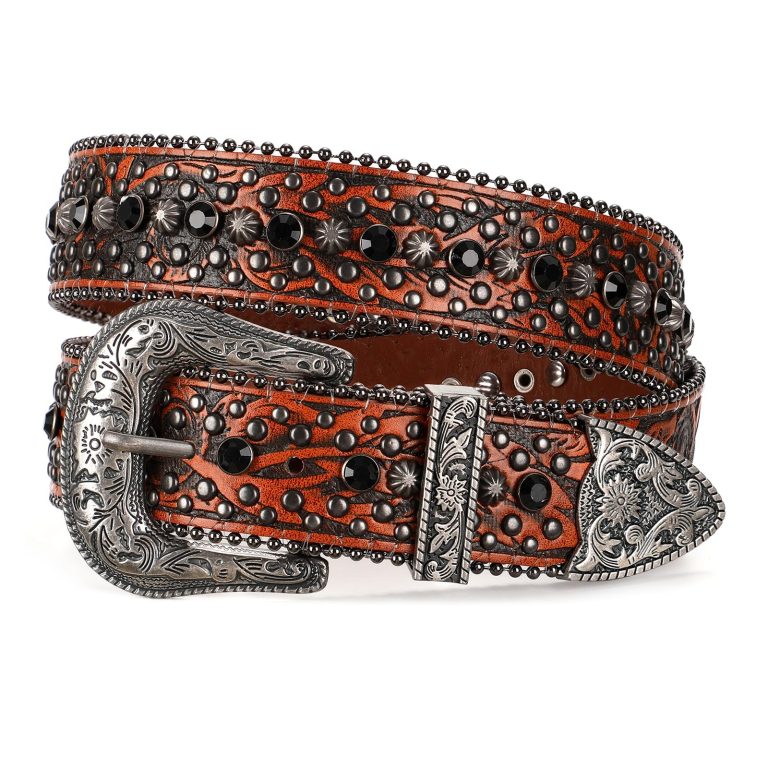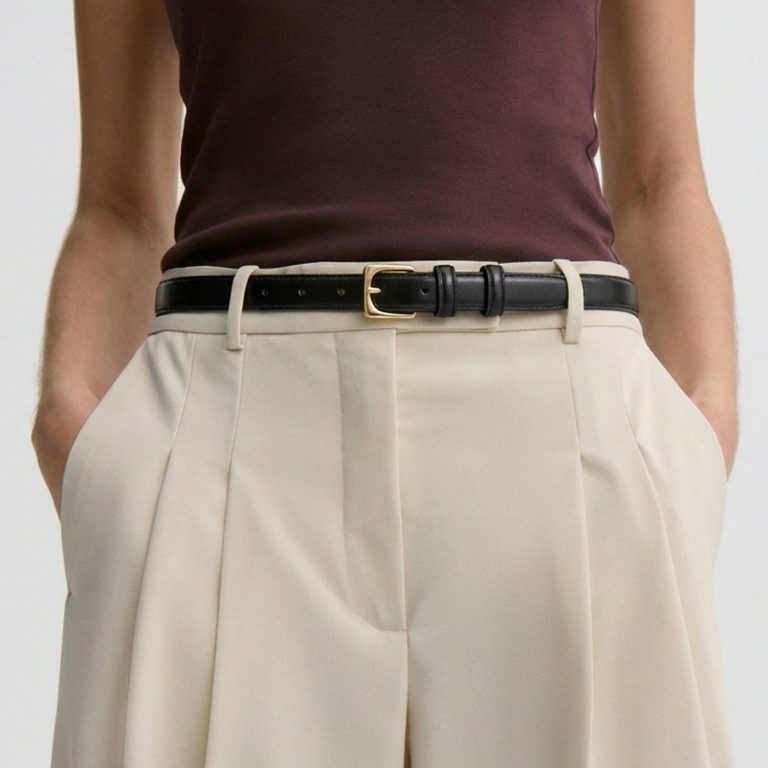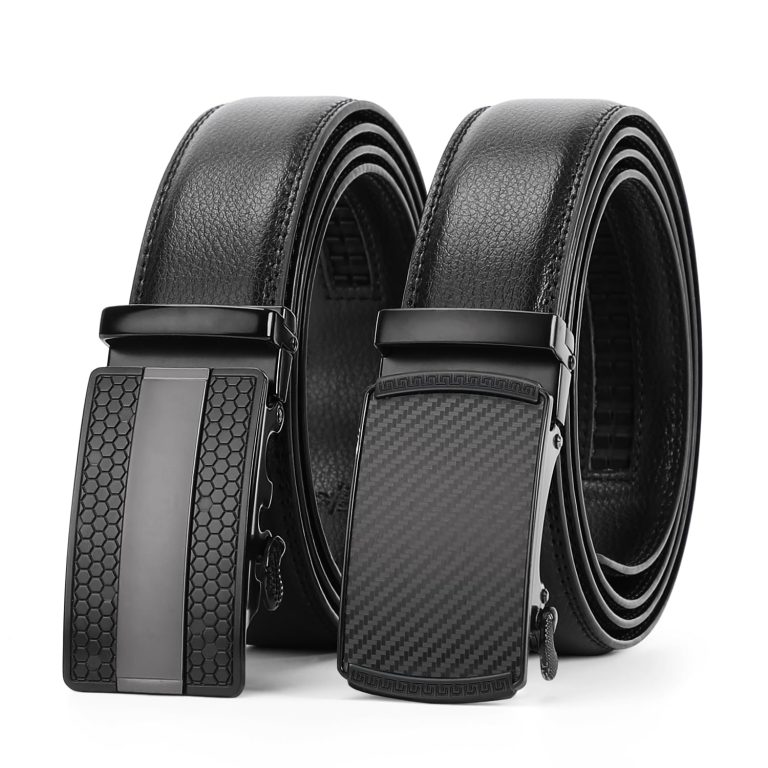
A loose belt keeper and a belt that is too large are different problems. The keeper is the small loop that holds the free end after fastening. If the belt already fits your waist but the tail keeps escaping, inspect the keeper before adding holes or tightening the strap.
Check the loop and the tail separately
Lay the unfastened belt flat. Look for a fixed loop near the buckle and, on some designs, a second sliding loop. Check for broken stitching, a stretched opening or a split in the loop. If damage is visible, stop using that part as if it were intact and ask the maker or a repair specialist about a compatible replacement.
Fasten the belt normally and guide the tail through the keeper without pulling harder on the waistband. A keeper needs enough room for the strap to pass, but an excessively loose opening may let it twist or fall out. Strap thickness matters as well as width.
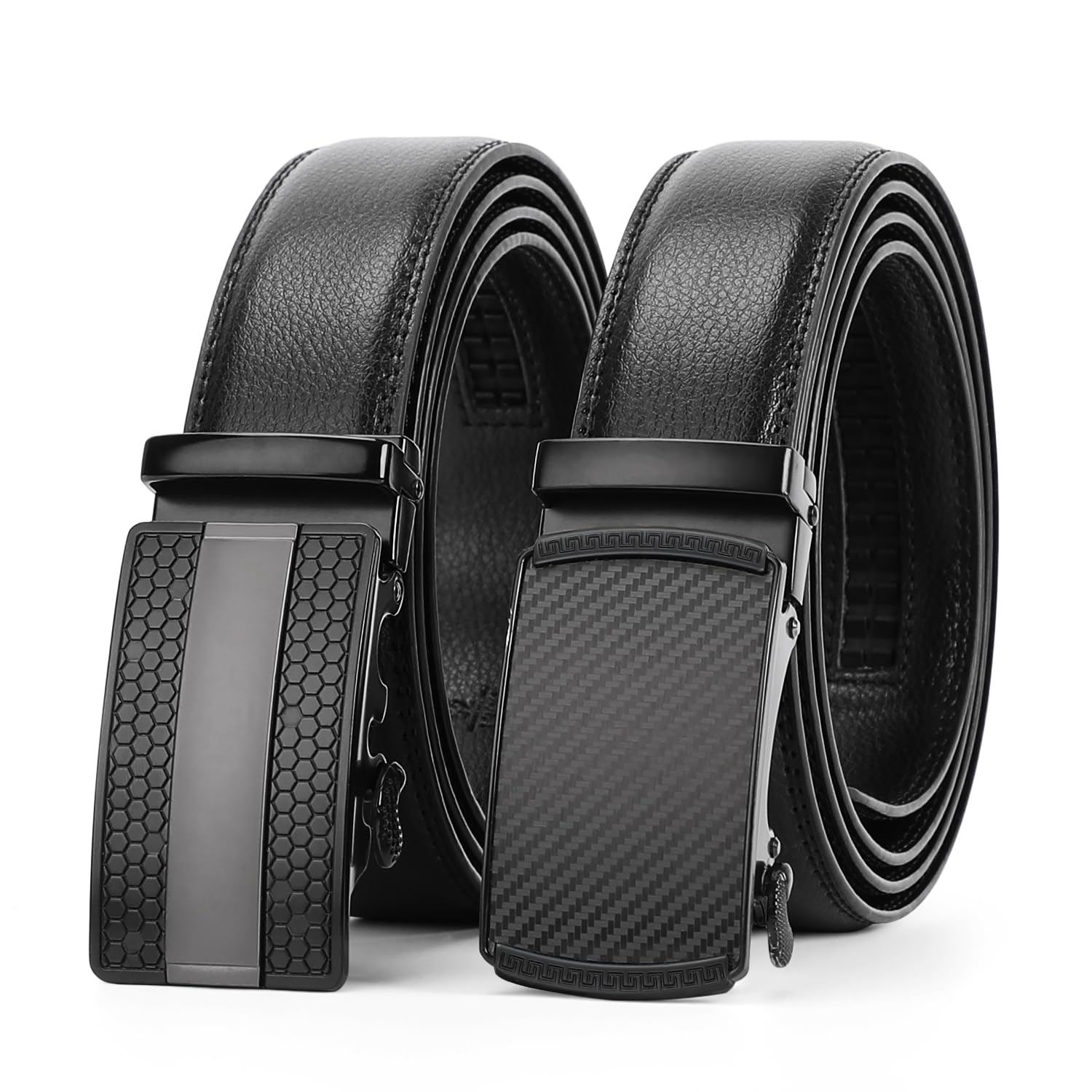
If the keeper is sound but the belt only fits with an unusually long tail, compare the usable size ranges in JASGOOD ratchet belts. Check whether the particular model permits shortening and where that adjustment is made. Buying a different fastening is an option for an unsuitable fit, not a necessary response to every loose keeper.
Choose a fix that matches the construction
A movable keeper has slid toward the buckle
If the design includes a separate sliding keeper, move it along the strap so it captures the tail where needed. Keep any fixed keeper in its intended position. Do not force a stitched or riveted part to move because another belt has an adjustable loop.
The keeper is damaged or missing
Ask about a replacement made for the belt’s width, thickness and construction. A repair specialist can assess whether fitting it requires opening a stitched buckle end. Bring the actual belt; a width measurement alone does not show how much space the folded layers need.
The tail is simply too long
Use the next trouser loop if the tail reaches it naturally and lies flat. Do not twist the belt into a tight knot to force it to stay put. For a model explicitly designed for trimming, use its own instructions. Cutting the finished tip of a conventional belt can remove the shaped end without improving the usable adjustment range.
Try a normal-movement check
Once the tail is contained, walk, sit and stand. Look again at the keeper and at the point where the strap exits the buckle. If the tail springs free only while seated, check whether it is being pushed by a pocket, a thick shirt tuck or the edge of a jacket.
For example, a belt can fasten comfortably at its middle hole yet leave a tail that barely reaches a second trouser loop. That is a reason to assess the keeper position or belt length, not to pull the waistband tighter just to gain another centimetre of tail.
Avoid makeshift fixes that change the belt
Adhesive tape and glue can mark the strap or make later repair harder. A sharp improvised clip may catch clothing. Use parts intended for the belt and follow the maker’s advice, particularly when the keeper is integrated into the buckle assembly.
If the belt also slips at the fastening, treat that as a separate issue. The keeper controls the loose end; it does not repair a damaged pin, ratchet track or buckle attachment. For a wider sizing problem, see how to assess a belt that is too big.